Wondering why one Zilker block can show a cottage, a ranch, and a striking modern build all within a short walk? That mix is part of what makes this neighborhood so compelling, and it can also make buying or selling here feel more nuanced than in areas with a more uniform housing stock. If you are trying to understand what different home styles mean for livability, upkeep, and value in Zilker, this guide will help you read the neighborhood with more confidence. Let’s dive in.
Zilker’s Housing Mix Explained
Zilker is not defined by a single architectural style. Instead, its housing story comes from layered development over time, with prewar cottages and bungalows, postwar ranches and modern homes, and more recent contemporary infill all sharing the same neighborhood.
That layered feel makes sense in context. Zilker was platted as early as 1941, built mostly after World War II, and saw more development near Barton Creek in the 1960s. Austin planning materials also note that Zilker does not currently have a formal city-adopted neighborhood plan, so change often happens through zoning, parcel-by-parcel redevelopment, and market pressure rather than one single framework.
Why Zilker Feels Open
Part of Zilker’s appeal is how the streetscape feels. A Texas A&M study describes Zilker as one of Austin’s early-modern neighborhoods, where wider residential streets and greater setbacks than later-modern neighborhoods help create a more open, lower-rise street character.
For you as a buyer or seller, that matters. It helps explain why even newer homes can feel very different here than in denser parts of central Austin, and why scale, placement, and street presence often play a big role in how a property is perceived.
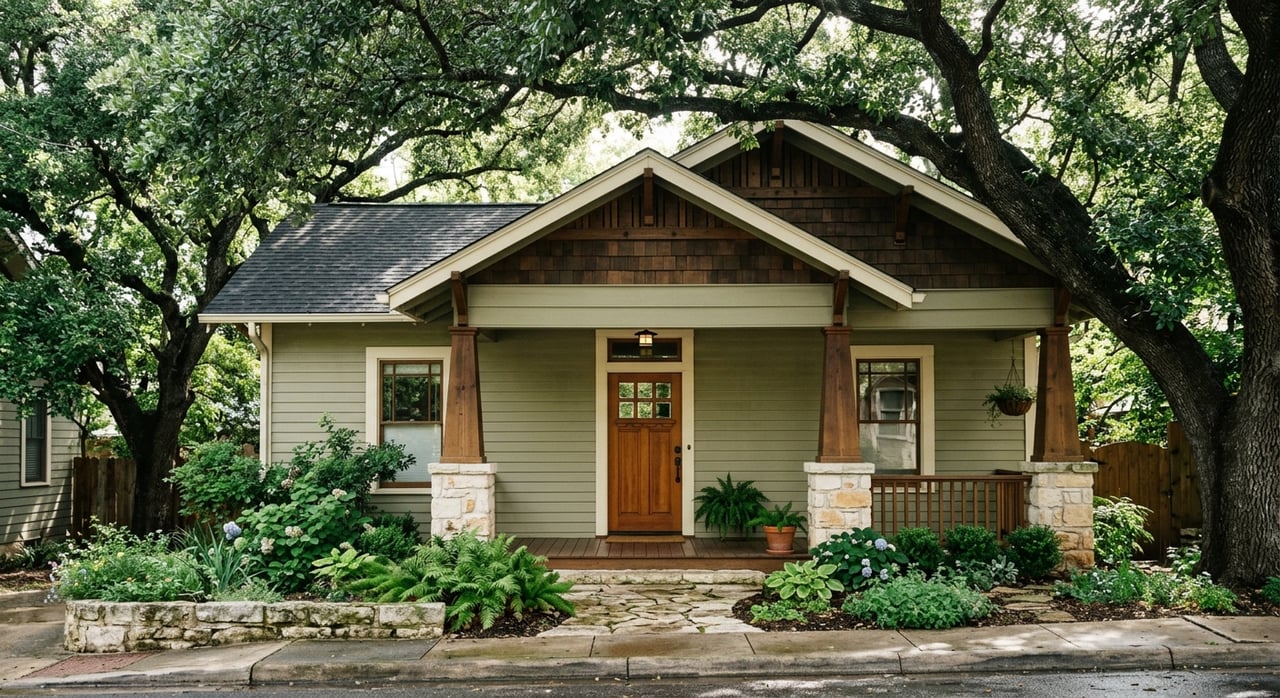
Craftsman Bungalows and Early Cottages
Some of Zilker’s oldest homes are cottages and Craftsman bungalows. Local neighborhood history notes that by the time Zilker School opened in 1950, these homes were already considered the older housing stock, with many built using stone from street paving.
Austin’s historic documentation describes Craftsman bungalows as one- to one-and-a-half-story homes with a horizontal look, wider windows, prominent porches, and broad eaves supported by brackets and exposed rafter ends. In practical terms, these homes often offer the strongest connection to Zilker’s original residential fabric.
What buyers should know
If you are drawn to character, this is often where you feel it most. Bungalows can offer details and curb appeal that are hard to replicate in newer construction.
They also tend to reward thoughtful, preservation-minded remodeling. If you love the idea of living in a home with architectural personality, these properties can be especially appealing, though they often call for more stewardship over time.
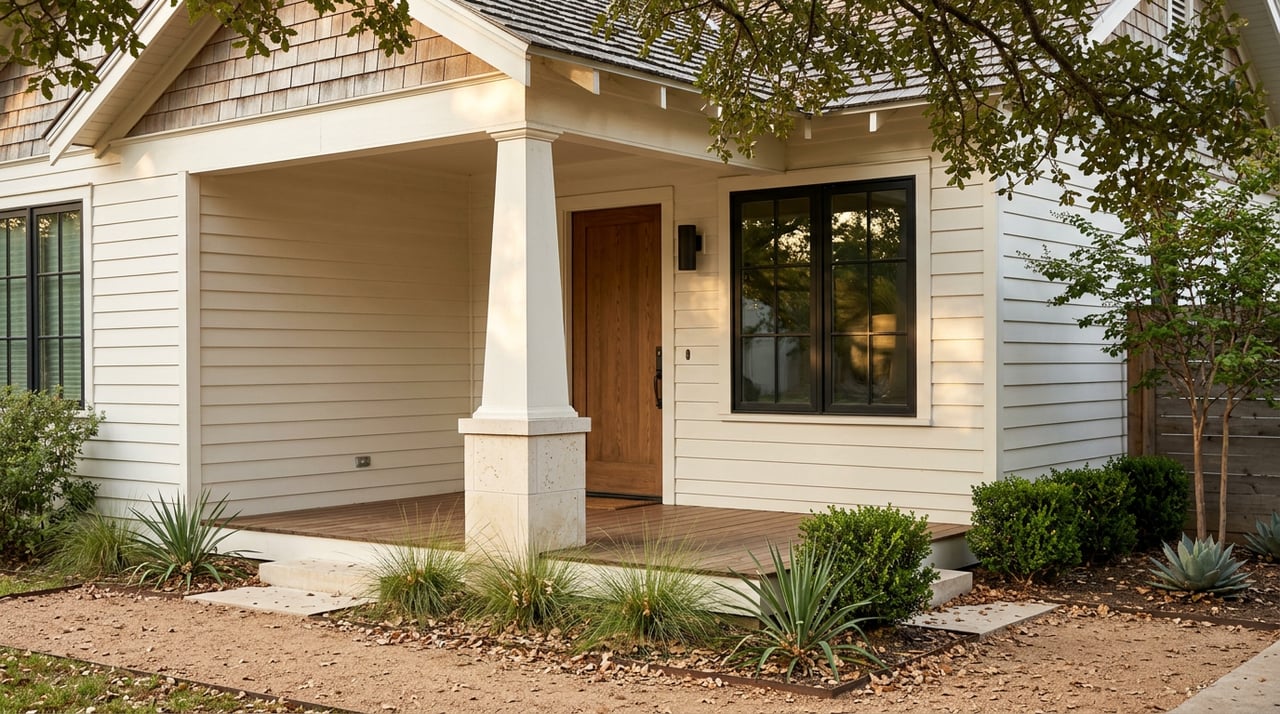
Ranch Homes and Mid-Century Styles
Zilker’s next major phase brought ranch and mid-century homes. Neighborhood history says these became more popular after the mid-1900s, while Austin historic-district material shows Ranch Style and Mid-century Modern homes filling remaining lots in the late 1940s and 1950s.
These homes are usually more horizontal and more functional in layout. Many are single-level and sit comfortably on the neighborhood’s wider streets and modest lots, which can make them feel practical for everyday living.
Why these homes stay in demand
For many buyers, ranch and mid-century homes strike a useful balance. They can offer original character without some of the tighter layouts or higher-maintenance features that may come with older bungalows.
They also tend to fit naturally into Zilker’s streetscape. That compatibility can matter both for day-to-day enjoyment and for long-term resale appeal, especially in a neighborhood where visual fit is part of the overall value story.
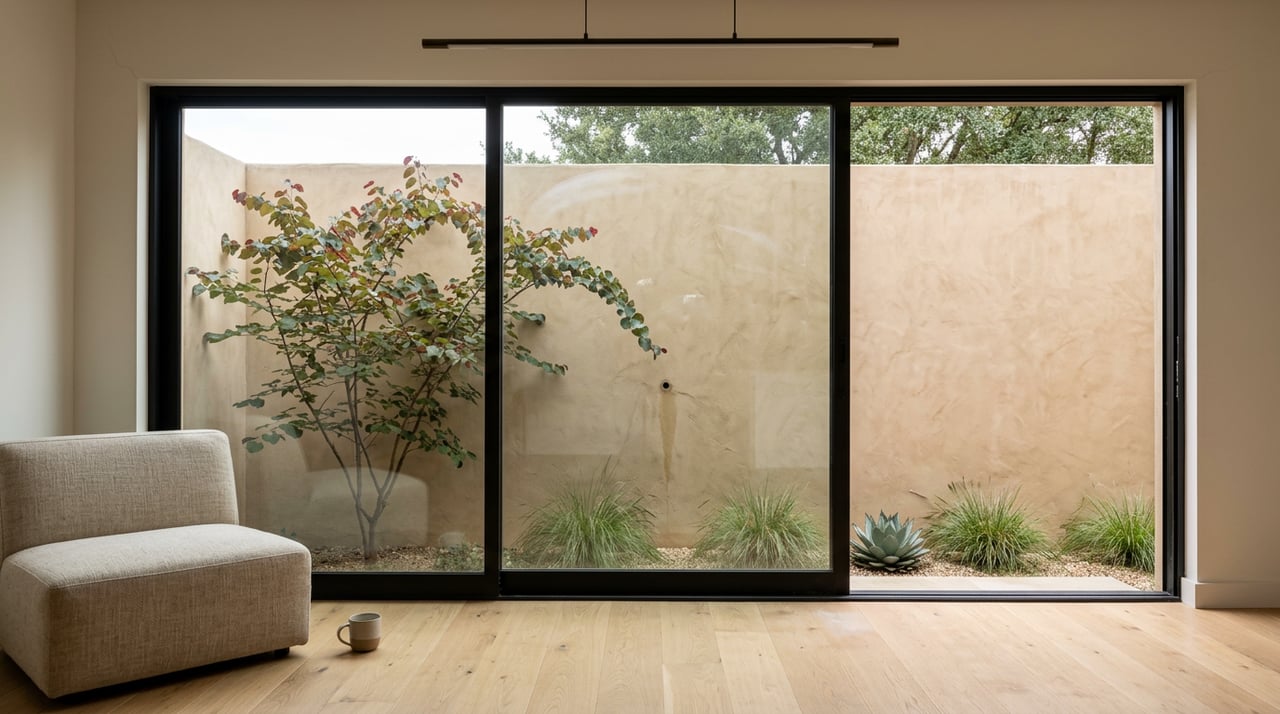
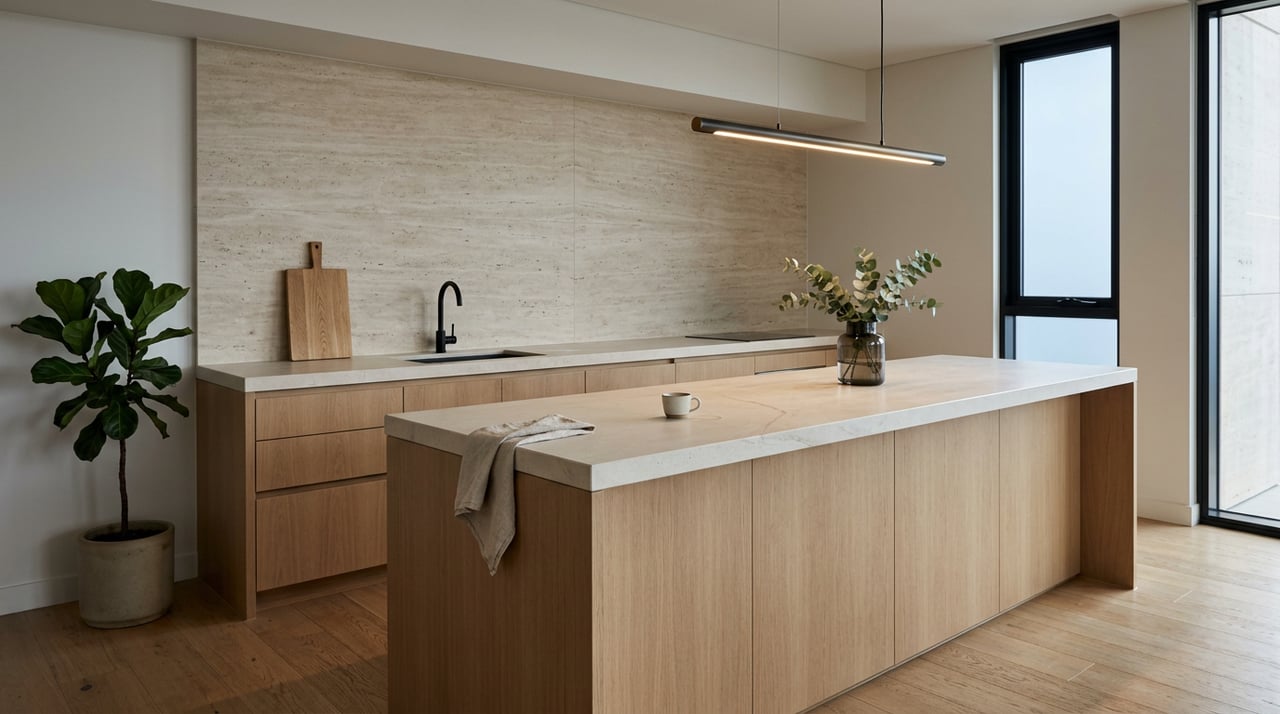
Modern Builds and Infill
Contemporary homes are now a clear part of Zilker’s housing mix. Newer construction often shares the neighborhood with older single-story homes, which creates both opportunity and tension around scale, design, and how a home meets the street.
A Zilker project by North Arrow Studio highlights an important local pattern. In that example, the design used a smaller street-facing mass and a rear detached garage so the home fit the neighborhood better rather than overwhelming it.
What to watch in newer homes
The most successful infill homes in Zilker often reduce apparent bulk from the street while adding usable square footage toward the rear of the lot. If you are evaluating a modern build, that is an important lens to use.
A newer home may offer updated systems, larger interiors, and a more current layout. At the same time, the homes that tend to feel most at ease in Zilker are often the ones that respect older scale and proportion instead of dominating the block.
How Style Affects Daily Living
Architecture is not just about looks. In Zilker, different eras of housing can shape how a home lives on a day-to-day basis.
Bungalows often deliver the most character, but they may require more ongoing attention. Ranch homes and newer builds are often seen as simpler for everyday living, thanks to more straightforward layouts and features that align with current expectations.
If you are deciding between charm and convenience, it helps to be honest about your priorities. Some buyers want original details and a sense of history, while others want easier maintenance and a more turnkey experience.
Historic Review and Remodeling Rules
A common question in Zilker is whether remodeling is heavily regulated. The answer is usually no, unless the property is individually designated or located within a historic district.
Austin notes that designated historic properties and local historic districts require review for exterior changes. The city also distinguishes between National Register historic districts, which are subject to advisory review, and local historic districts, which carry stronger protections.
A simple rule of thumb
If you are considering changes to a property, verify whether the home has an individual designation or sits within a district before making assumptions. If it does not, normal zoning and site rules generally apply.
This is especially important in Zilker because the neighborhood does not operate under a formal city-adopted neighborhood plan. Change tends to happen lot by lot, so property-specific due diligence matters.
Zilker Market Context
Zilker’s lifestyle appeal supports its market profile. Redfin currently reports a Walk Score of 75 out of 100, a Bike Score of 82 out of 100, and a Transit Score of 47 out of 100.
That accessibility, combined with proximity to Zilker Metropolitan Park and Barton Springs, helps explain ongoing buyer interest. Redfin also reports a median sale price of $1.27 million over the last three months ending May 2026, with homes averaging about 50 days on market.
What this means for buyers and sellers
For buyers, Zilker often rewards careful selection. A home’s era, condition, and fit with the lot and streetscape can matter just as much as square footage.
For sellers, presentation and positioning are especially important in a neighborhood with such a varied housing mix. A bungalow, a ranch, and a modern build may all attract attention, but each needs to be framed around the right value story.
How to Read Value in Zilker
In a neighborhood like Zilker, value is rarely about one feature alone. It usually comes from a combination of location, housing style, condition, and how well the property fits its setting.
A bungalow may stand out for architectural character and original neighborhood identity. A ranch may appeal for practical livability and lot fit. A newer build may command attention for modern design and updated functionality, especially when it handles scale thoughtfully.
Questions worth asking
When you evaluate a home in Zilker, consider:
- How does the house relate to the street and surrounding homes?
- Does the style feel natural for the lot?
- Are you paying for character, convenience, newer construction, or some combination of all three?
- If you plan to remodel, are there historic review requirements to understand first?
These questions can help you move beyond surface-level impressions. In Zilker, that extra layer of analysis often leads to better decisions.
Why Zilker Stays Distinctive
Zilker’s appeal comes from more than location alone. It is a neighborhood where early cottages, postwar ranches, and contemporary infill all contribute to a streetscape that feels established but still evolving.
That is also why buying or selling here benefits from hyperlocal judgment. Understanding which homes preserve original character, which homes offer the easiest day-to-day living, and which new builds handle scale best can make a meaningful difference in how you evaluate opportunity.
Whether you are searching for a bungalow with strong architectural personality, a ranch with practical ease, or a modern build that feels well matched to its block, Zilker offers a range that few Austin neighborhoods can match. If you want tailored guidance on buying, selling, or evaluating property in Zilker, connect with Carl Shurr for a thoughtful, data-driven conversation.
FAQs
What kinds of homes are common in Zilker, Austin?
- Zilker includes prewar cottages and Craftsman bungalows, postwar ranch and mid-century homes, and contemporary infill new builds.
Are most homes in Zilker historic properties?
- No. Zilker has homes from several building eras, so the neighborhood is not made up mostly of historic properties.
Do Zilker homes face strict remodeling rules?
- Usually only designated historic properties or homes in historic districts face added exterior review. Other properties generally follow normal zoning and site rules.
What style of home is easiest to live in within Zilker?
- Ranch homes and newer builds are often considered the simplest for day-to-day living, while bungalows typically offer more character but may need more stewardship.
Why do newer homes in Zilker look different from one another?
- Infill happens parcel by parcel in Zilker, and the homes that tend to fit best often reduce visible bulk from the street while placing more square footage toward the rear of the lot.
How competitive is the Zilker housing market?
- Recent Redfin data shows a median sale price of $1.27 million over the last three months ending May 2026, with homes averaging about 50 days on market.