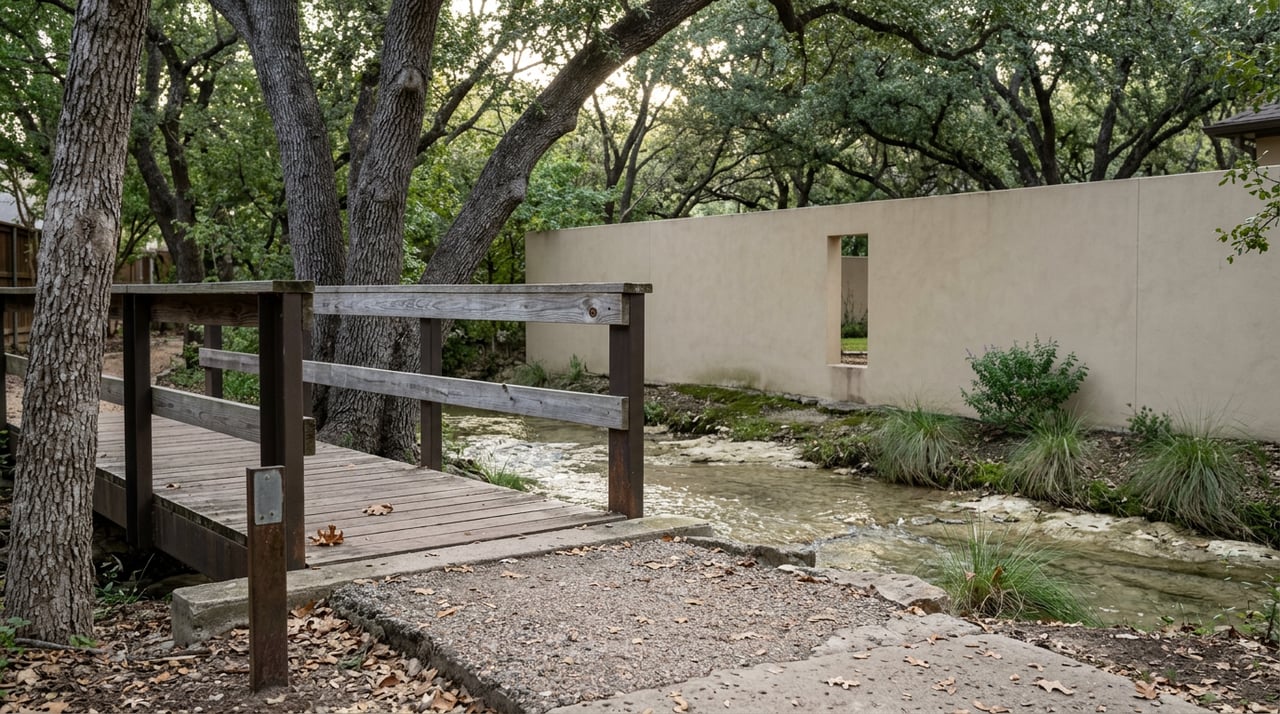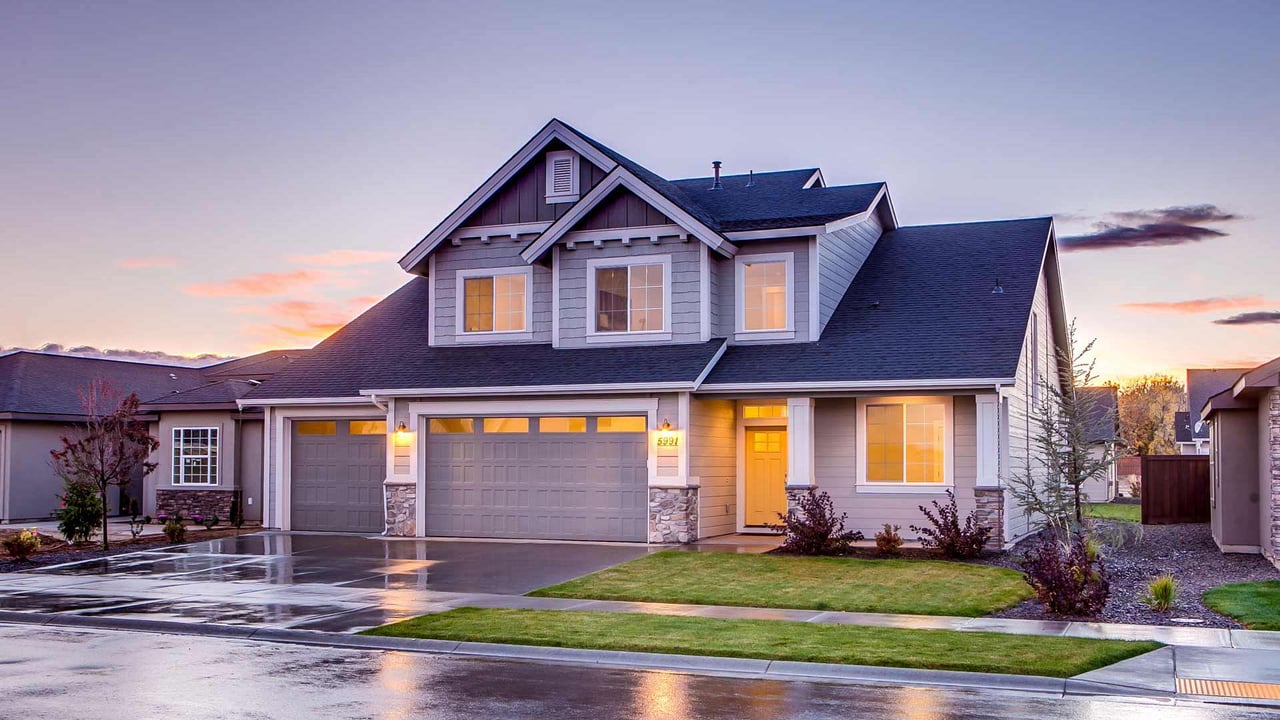
Mature tree coverage in Pemberton Heights enhances the residential experience by shaping comfort, visual depth, and environmental quality in ways that directly influence how homes are perceived and lived in. The established canopy softens sunlight exposure, stabilizes outdoor temperatures, and creates a layered visual environment that defines the neighborhood’s everyday atmosphere.
Rather than acting as background scenery, the tree structure becomes an active part of the residential setting, influencing both perception and usability of space.
How does tree canopy structure improve environmental comfort across the neighborhood?
The density and maturity of tree coverage help regulate microclimate conditions by reducing direct heat exposure and improving shade distribution throughout residential streets. This creates more comfortable outdoor movement and reduces thermal intensity during peak daylight hours.
These conditions also play into how residents engage with nearby recreation options, as reflected in top outdoor activities to experience in Barton Hills, TX, where shaded natural corridors and outdoor-friendly environments similarly shape comfort and mobility in nearby Austin neighborhoods.
Knight Frank research highlights that mature landscape environments consistently rank higher in residential preference surveys due to their impact on perceived comfort and environmental quality.
Why does tree maturity influence perceived neighborhood quality?
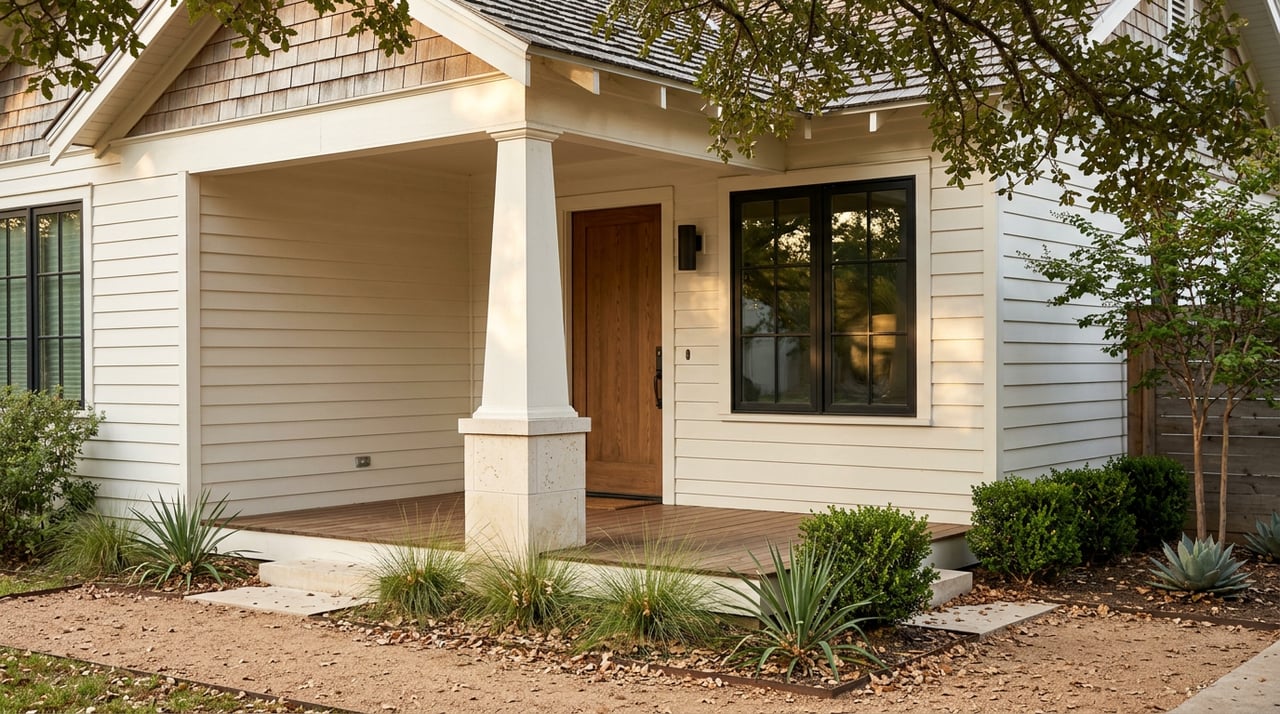
Older tree canopies contribute to a sense of visual continuity and spatial refinement, where streets feel more established and less exposed. This maturity effect changes how architectural elements are perceived, often softening building edges and creating a more integrated streetscape.
This visual integration also supports broader livability patterns found in what are considered the most walkable neighborhoods in Austin, Texas, where shaded pedestrian routes, canopy coverage, and environmental design all contribute to how walkability and neighborhood experience are perceived beyond just distance or infrastructure.
Forbes Real Estate Council contributors note that mature landscaping plays a measurable role in enhancing perceived property desirability by improving spatial aesthetics and environmental integration.
How does canopy density influence residential movement and outdoor usage?
Heavier canopy coverage reduces direct exposure to sun and creates shaded corridors that naturally encourage walking and outdoor engagement. This changes how residents interact with the neighborhood, making movement more comfortable and less visually exposed.
Statista data shows a consistent correlation between green canopy density and increased satisfaction with neighborhood walkability and livability perception metrics.
In Pemberton Heights, this effect contributes to a more naturally engaging outdoor environment.
What does this reveal about the long-term residential experience in Pemberton Heights?
The mature tree coverage in Pemberton Heights demonstrates how long-term environmental development shapes residential experience beyond architecture alone. The canopy creates a stabilizing visual and climatic layer that enhances comfort, coherence, and everyday usability of space.
This makes the neighborhood’s residential experience not only visually distinctive but also environmentally moderated in a way that supports long-term livability.
FAQs
Why is tree coverage important in Pemberton Heights?
It improves comfort, shade, and visual cohesion across the neighborhood.
Does mature landscaping affect property experience?
Yes, it enhances both aesthetic perception and environmental quality.
How does tree canopy impact outdoor living?
It reduces heat exposure and encourages more comfortable movement.
Is the greenery natural or planned?
It is primarily the result of long-term landscape maturation.