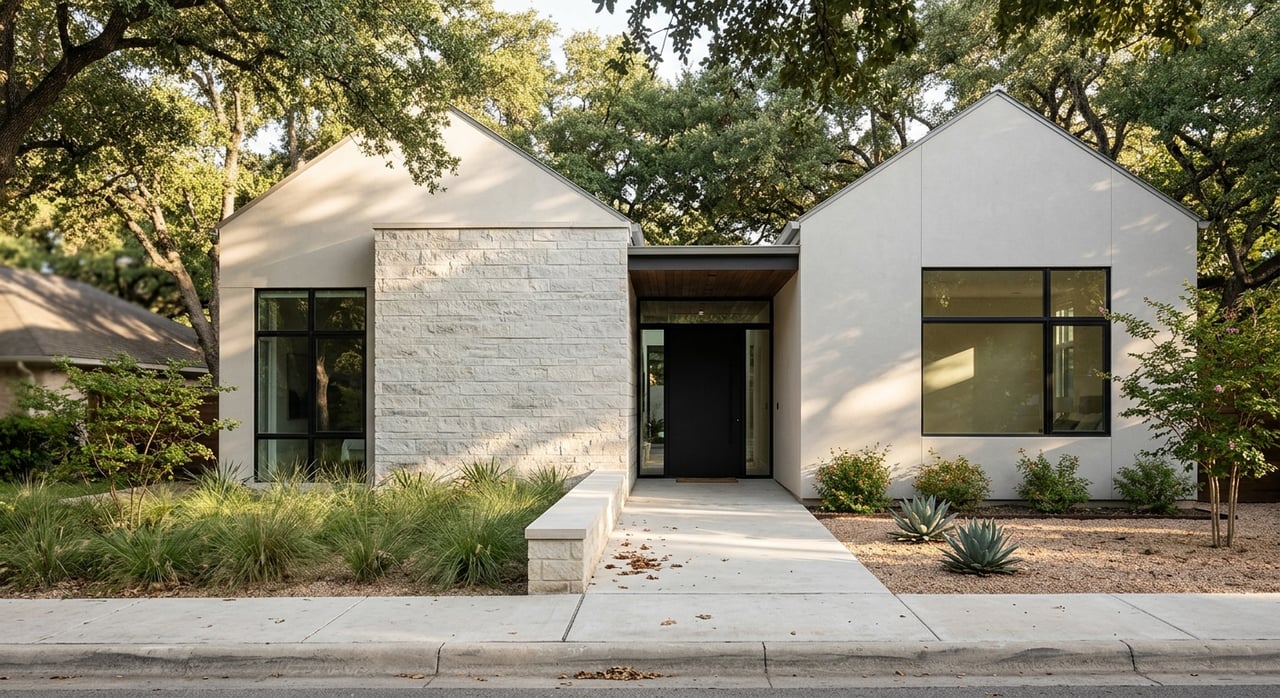
If you are relocating to Austin and want a neighborhood that feels close to everything without feeling generic, Travis Heights deserves a serious look. This part of 78704 offers a mix of older homes, mature trees, creek-side green space, and quick access to South Congress and downtown, but it also comes with details that are easy to miss if you do not know the area block by block. In this guide, you will get a practical orientation to how Travis Heights works day to day, what buyers should expect, and which factors matter most before you make a move. Let’s dive in.
Where Travis Heights Sits
Travis Heights is a close-in South Austin neighborhood in City Council District 9. The city groups it with central neighborhoods such as Downtown, Rainey Street, and Bouldin Creek, which helps explain why it feels so connected to Austin’s urban core.
A historic-district effort describes Travis Heights as roughly bounded by Riverside Drive, Kenwood Avenue, Live Oak Street, and the back side of South Congress Avenue. Those boundaries are presented as proposed rather than final, but they offer a useful mental map if you are getting oriented from out of town.
What the Neighborhood Feels Like
One of the first things you may notice is that Travis Heights does not read like a newer subdivision. According to Historic Travis Heights, the area developed as an early suburb with both curving and grid streets, along with lots sized for everything from modest bungalows to larger homes.
That older pattern still shapes the experience today. Instead of uniform streetscapes, you will find wooded hillsides, creek corridors, and a broad mix of home styles across the neighborhood, as described by Historic Travis Heights neighborhood materials.
For a relocating buyer, that means two things. First, the neighborhood has character and variety. Second, it rewards careful, street-by-street evaluation because one block can feel very different from the next.
Housing Stock Buyers Should Expect
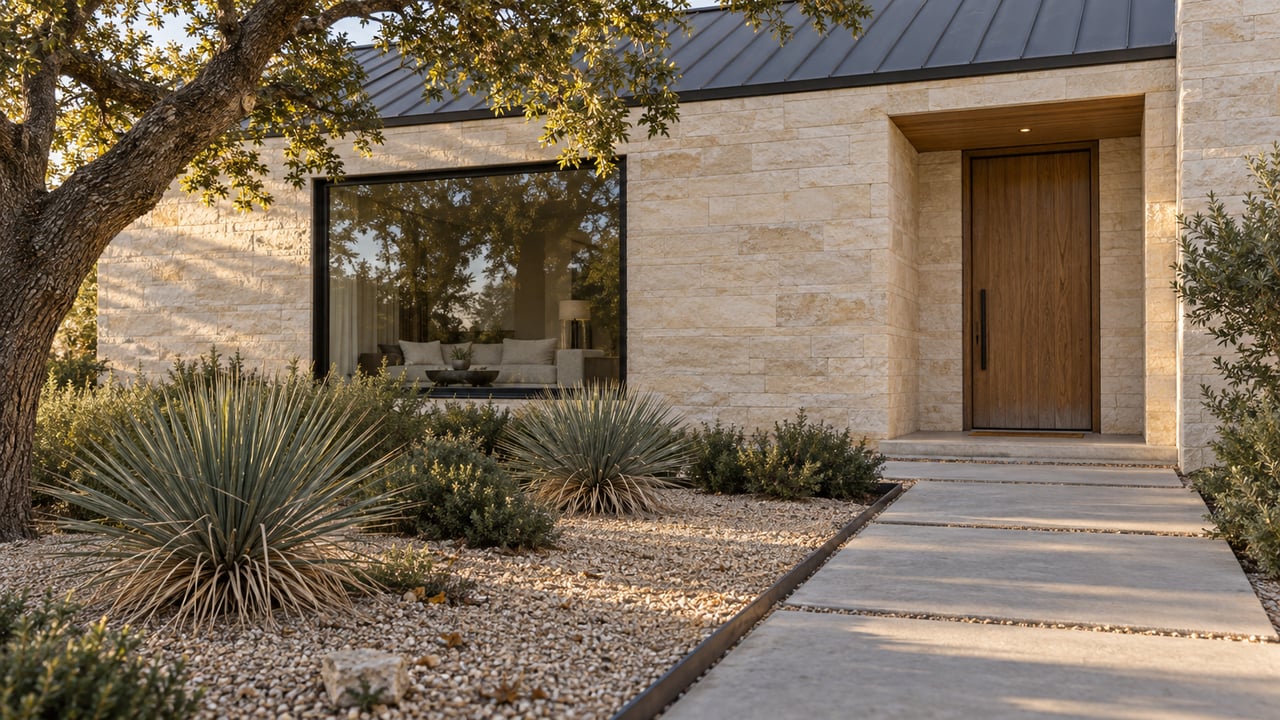
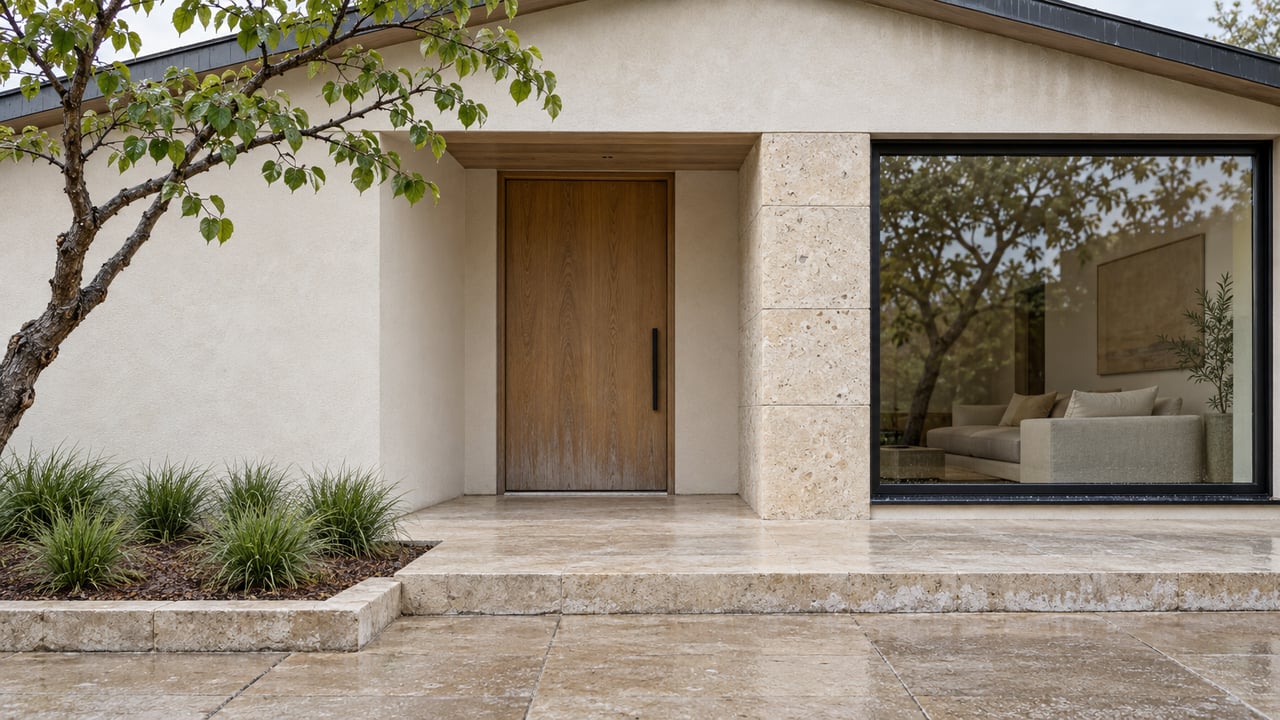
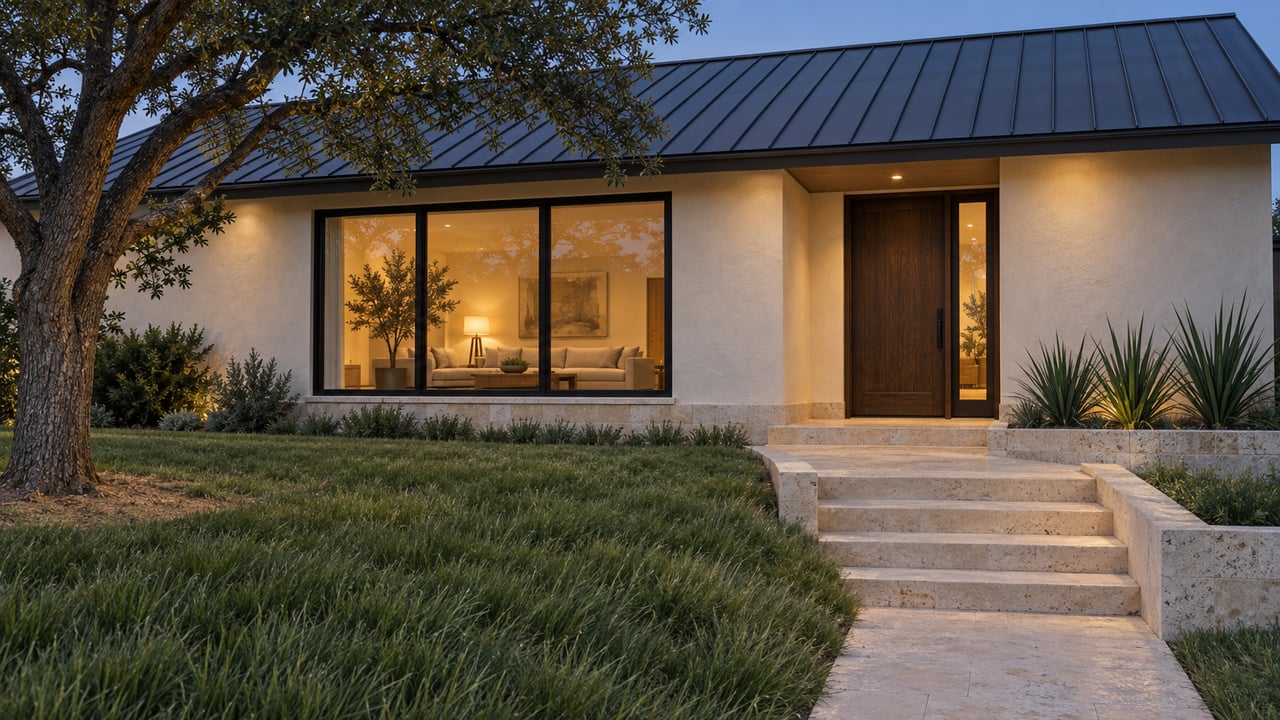
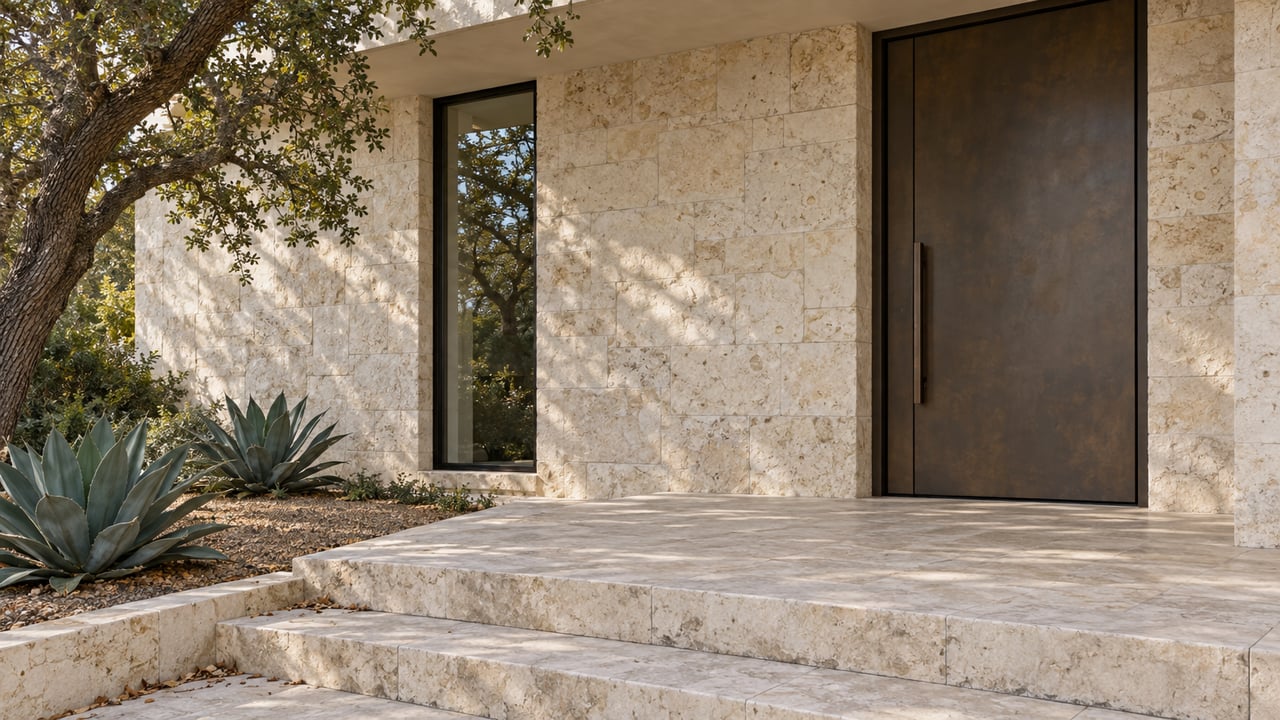
Travis Heights is best understood as an older-infill, preservation-heavy neighborhood. The housing mix spans from late-1880s Victorian-era homes to 1970s Mid-Century Modern properties, based on the historic neighborhood survey and overview.
If you are coming from a market with newer, more standardized housing, this variety can be a welcome change. It can also mean more nuance around floor plans, lot shapes, updates, and how each property fits into the surrounding block.
The Mary Street Local Historic District gives a useful example of the neighborhood fabric you may encounter. The city describes it as a small district of 19 residential buildings, mostly one-story homes in Craftsman, Tudor Revival, and Minimal Traditional styles.
Historic Travis Heights also notes that the broader Travis Heights-Fairview Park district was listed on the National Register of Historic Places in 2021, and that its survey covered about 1,200 properties, with roughly 870 contributing to a potential local historic district. In practical terms, that tells you a large share of the neighborhood still reflects its original period character.
Why Block-by-Block Matters
In Travis Heights, broad neighborhood reputation only tells part of the story. Historic materials on Fairview Park and the broader district suggest a patchwork of preserved homes, updated properties, and later infill, along with differences tied to topography and location near major corridors.
That matters because your daily experience can shift depending on where you buy. Interior streets often feel more residential, while edges closer to South Congress, South I-35, or Woodward Street may have more mixed-use activity and more event-related traffic patterns.
For buyers relocating from outside Austin, this is where local guidance becomes valuable. A home can look ideal on paper but feel quite different depending on parking conditions, pass-through traffic, or proximity to busy commercial edges.
Getting Around Travis Heights
For many buyers, Travis Heights stands out because it supports several ways of getting around. You can drive, bike, walk to nearby destinations, or use transit for trips into downtown and beyond.
The main transit corridor to know is CapMetro Rapid 801, which runs along the North Lamar and South Congress corridor. CapMetro says this route connects Tech Ridge to Southpark Meadows by way of UT and downtown, with service every 15 to 30 minutes.
Another key hub is the South Congress Transit Center on Ben White Boulevard. According to CapMetro, it serves routes 801, 1, 310, and 315, making it useful if you expect to rely on transit for commuting or regular in-town travel.
If you like the idea of going car-light for evenings out, CapMetro Late Night service is also worth knowing. The agency says buses run between late-night destinations and local neighborhoods every 20 to 30 minutes depending on route, and it specifically lists the 486 Night Owl South Congress service.
Driving and Parking Realities
Relocating buyers often focus on commute time first, but in Travis Heights, parking and route flexibility deserve attention too. City planning documents note mixed-use parcels along South Congress, South I-35, and Woodward Street, and they specifically addressed issues tied to First Thursday activity such as noise, litter, parking, and vandalism in the neighborhood planning process.
That does not mean the entire neighborhood feels busy all the time. It does mean the edges can experience more event traffic and visitor parking pressure than the more residential interior streets.
The city has also documented residential parking permit deployment on several streets, including Gibson, Elizabeth, Monroe, Academy Drive, The Circle, Milton Street, and Park Lane. For buyers, that is a useful sign that some blocks do experience meaningful parking demand.
Regional road projects are another factor to watch. The city has reported that TxDOT’s I-35 Capital Express Central project is expected to affect Lady Bird Lake access, the Ann and Roy Butler Hike-and-Bike Trail, and several city-owned assets through 2033, which may continue to shift access patterns for anyone commuting north across the river.
Parks and Outdoor Routine
A major part of Travis Heights living is its neighborhood-scale park system. This is not just a neighborhood with a park nearby. It is a neighborhood where green space and outdoor routine are woven into daily life.
The Austin Parks and Recreation park directory lists Big Stacy Neighborhood Park at 700 E Live Oak Street and Little Stacy Neighborhood Park at 1500 Alameda Drive. It also lists Big Stacy Pool at 700 E Live Oak Street and Little Stacy Wading Pool at 1401 Sunset, both free to use.
That setup is especially useful if you want easy access to walks, outdoor play, or a quick pool stop without planning a longer drive. For many relocating buyers, that daily convenience becomes one of the neighborhood’s strongest lifestyle advantages.
Historic neighborhood materials describe Little Stacy as the northern end of the Blunn Creek Greenbelt and Big Stacy as the southern end. That creates the feel of one connected outdoor system instead of a few scattered green spaces.
The city’s park directory also includes Blunn Creek Greenbelt at 1901 East Side Drive and Blunn Creek Nature Preserve at 1200 St. Edwards Drive. City materials describe this corridor as a direct tributary area with mature sycamore and live oak stands, along with ongoing restoration work focused on erosion and water quality.
What Relocating Buyers Should Prioritize
If you are narrowing your search in Travis Heights, focus on how you want to live day to day, not just on square footage or finish level. In a neighborhood with this much variety, the right fit often comes down to location within the neighborhood as much as the home itself.
A few priorities can help guide your search:
- Street position: Interior blocks often feel more residential than corridor-adjacent locations.
- Parking conditions: Some streets experience enough demand to require residential permit strategies.
- Transit access: If you want flexibility, proximity to Rapid 801 or the South Congress Transit Center may matter.
- Outdoor access: Distance to Big Stacy, Little Stacy, or the Blunn Creek corridor can shape your routine.
- Housing style: Older homes can offer charm and individuality, but each property should be evaluated on its own merits.
For buyers relocating on a tight timeline, this is where a curated, hyperlocal approach matters. Travis Heights can be an excellent fit, but the best opportunities usually come from matching your lifestyle priorities to the right pocket of the neighborhood.
The Bottom Line on Travis Heights
Travis Heights appeals to buyers who want a close-in 78704 address with established character, real architectural variety, and everyday access to parks, transit, and South Congress amenities. It is not uniform, and that is part of its appeal.
If you are relocating, the key is to look beyond the neighborhood name and understand the specific block, street pattern, parking reality, and outdoor access that come with each home. When you do that well, Travis Heights can offer a more layered and livable experience than many buyers expect on a first visit.
If you are considering a move to Travis Heights or anywhere in 78704, Carl Shurr offers tailored buyer guidance, neighborhood-level insight, and concierge service designed for clients who want a smart, efficient relocation experience.
FAQs
What is the general location of Travis Heights in Austin?
- Travis Heights is a close-in South Austin neighborhood in City Council District 9, near central areas such as Downtown, Rainey Street, and Bouldin Creek.
What type of homes can buyers expect in Travis Heights?
- Buyers can expect an older and varied housing stock, including styles ranging from late-1880s Victorian-era homes to 1970s Mid-Century Modern properties, plus smaller one-story homes in styles such as Craftsman, Tudor Revival, and Minimal Traditional.
What parks and pools are available in Travis Heights?
- Travis Heights includes Big Stacy Neighborhood Park, Little Stacy Neighborhood Park, Big Stacy Pool, Little Stacy Wading Pool, and access to the Blunn Creek Greenbelt and Blunn Creek Nature Preserve.
What transit options are useful for Travis Heights buyers?
- CapMetro Rapid 801 is the main high-frequency route to know, and the South Congress Transit Center is a key connection point for several additional routes.
What should relocating buyers know about parking in Travis Heights?
- City planning materials show residential parking permits on several neighborhood streets, which suggests parking pressure can be a real issue on some blocks, especially near busier edges of the neighborhood.
Why does block-by-block analysis matter in Travis Heights?
- Travis Heights has varied streets, lot shapes, home styles, and traffic patterns, so one block may feel quiet and residential while another may be more affected by mixed-use activity or corridor traffic.