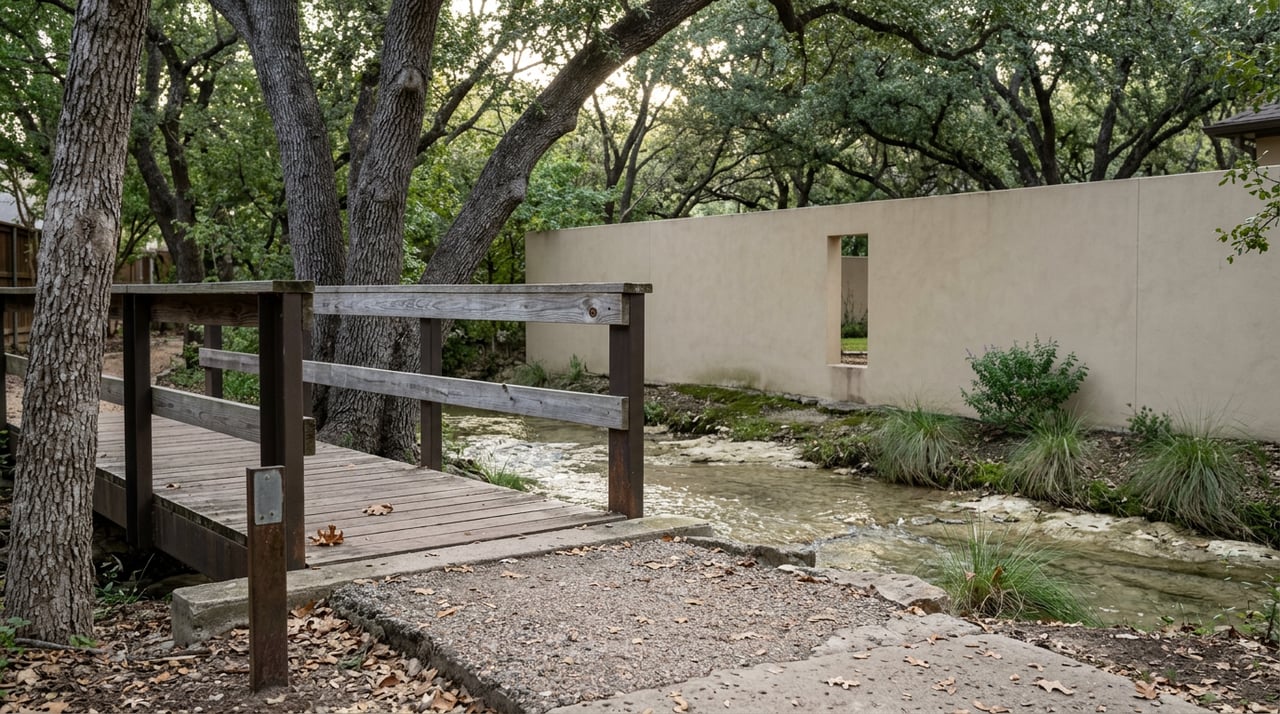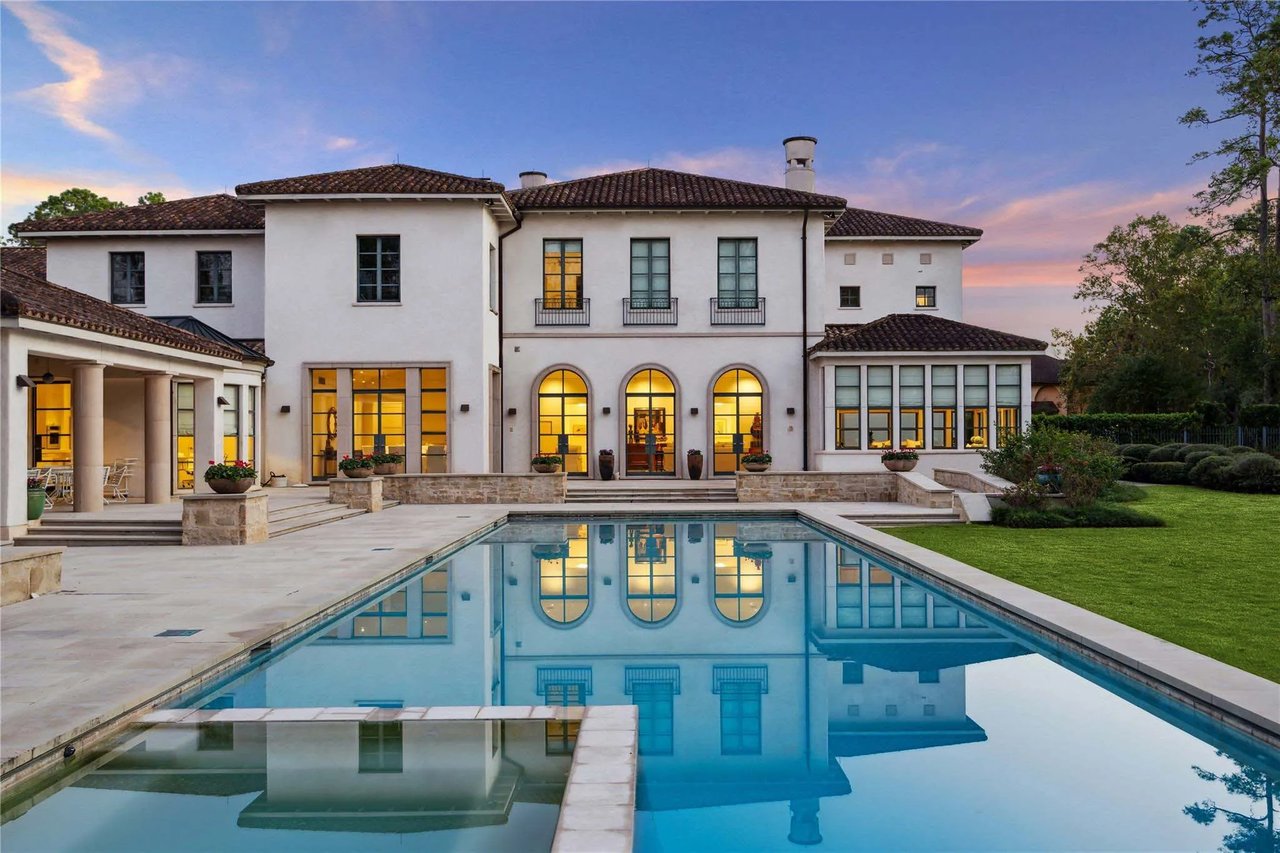
In the 2026 Austin market, Travis Heights stands as a premier example of "neighborhood resilience." While newer luxury developments often rely on sheer scale, Travis Heights derives its value from a rare combination of historic character, top-tier topography, and unmatched proximity to the city’s urban core. For the sophisticated investor, an acquisition in 78704 is less about buying a house and more about securing a stake in one of Austin’s most supply-constrained and culturally significant enclaves.
Real estate consultants often highlight the importance of market timing—a perspective Carl Shurr emphasizes—to ensure that a luxury purchase aligns with broader portfolio goals. In Travis Heights, the "buy and hold" strategy remains dominant, as the neighborhood’s unique charm and limited inventory create a natural floor for property values.
What architectural styles define homes in Travis Heights?
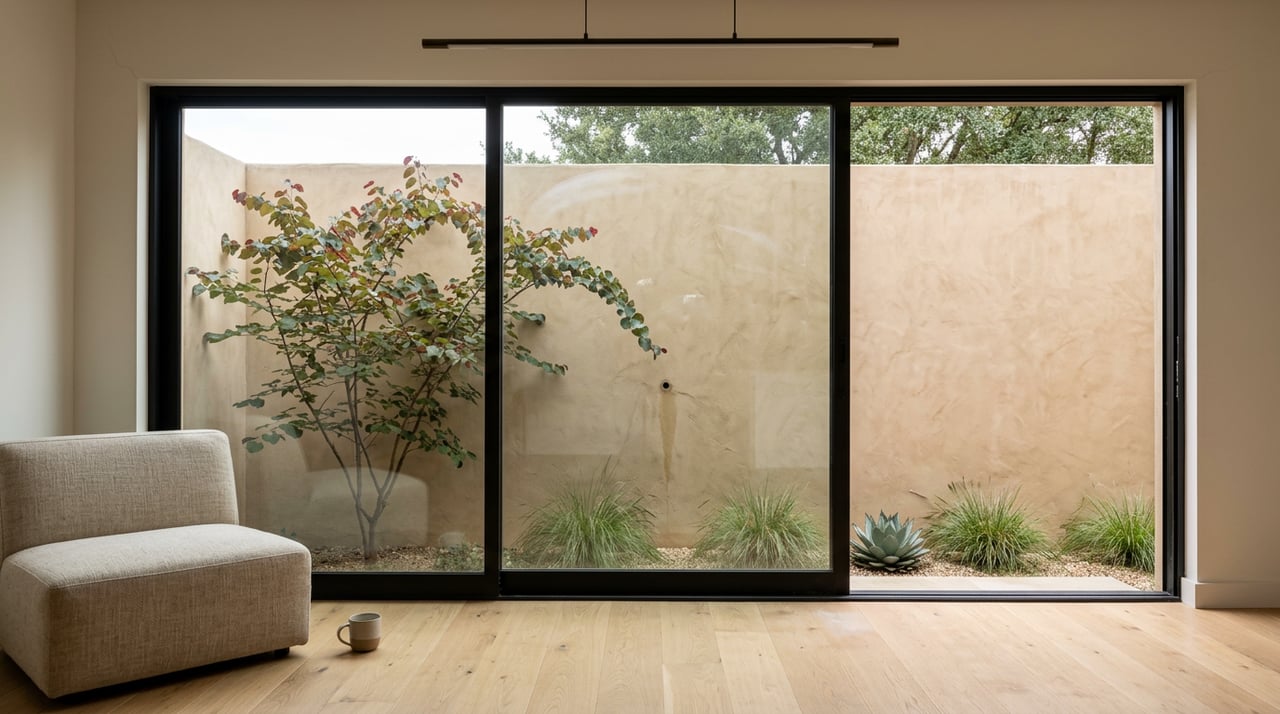
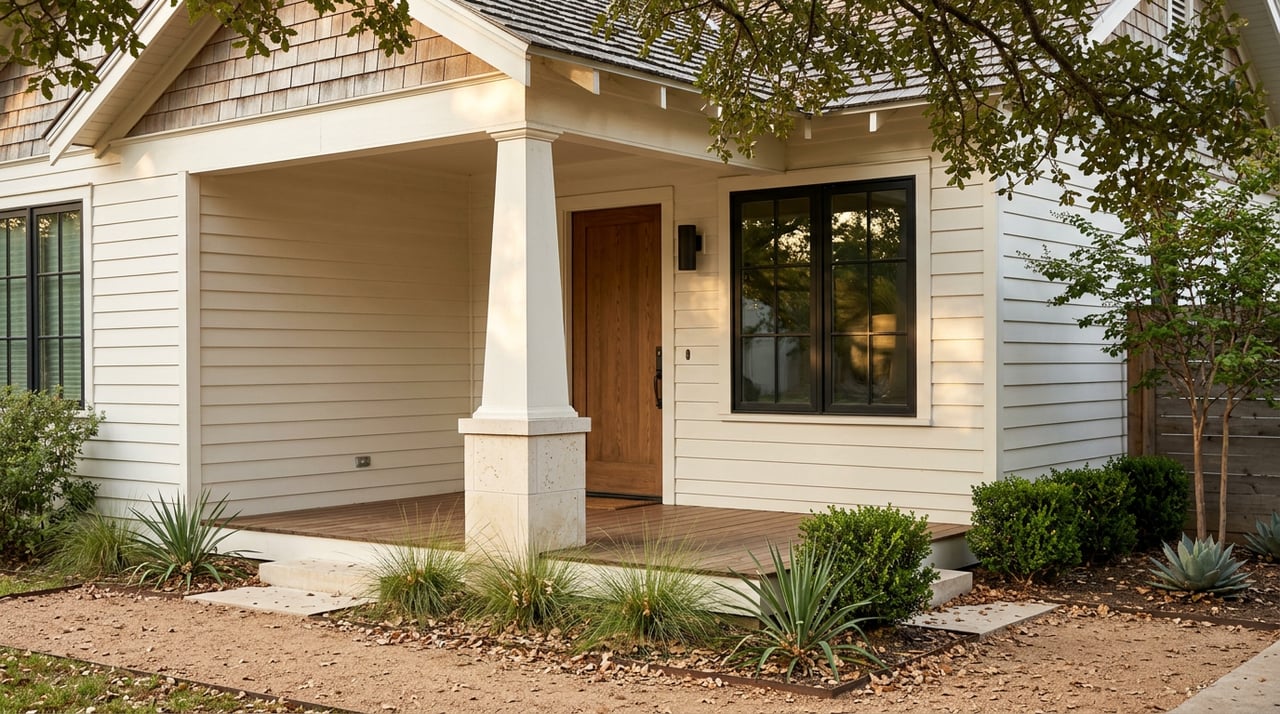
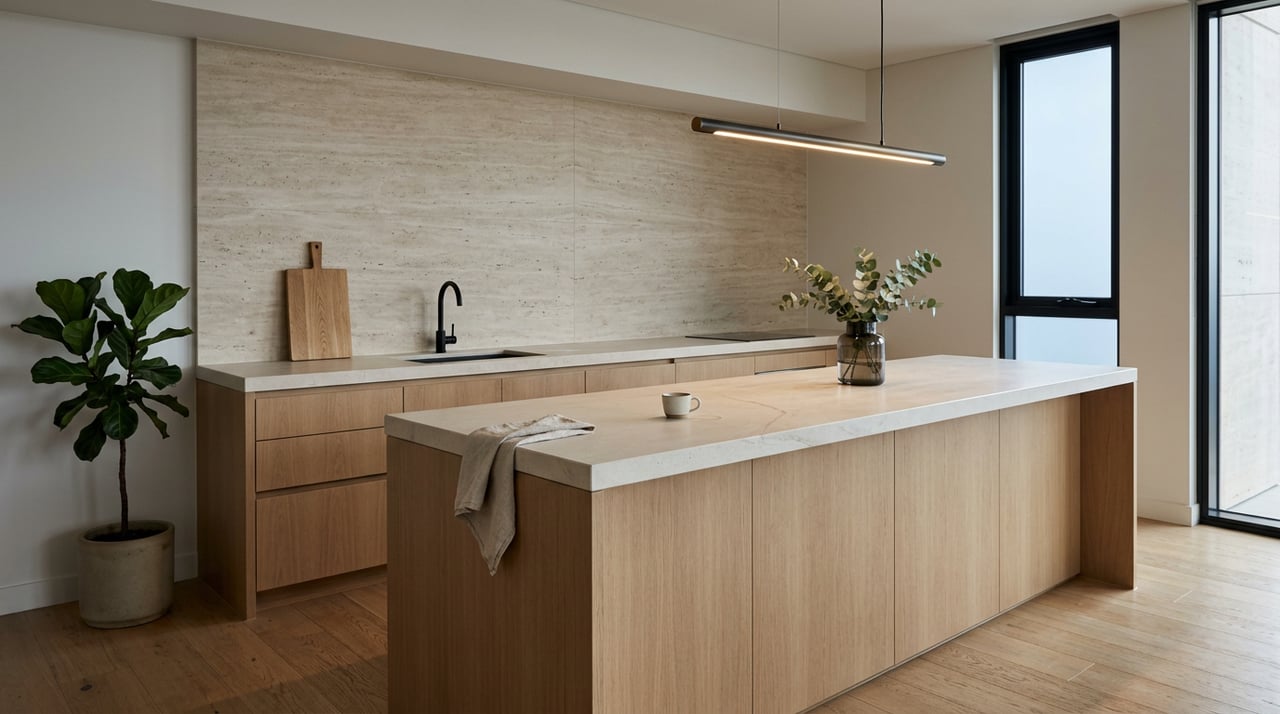
Travis Heights is architecturally diverse, offering a blend of early 20th-century craftsmanship and cutting-edge modernism. You will find meticulously restored 1920s bungalows and grand Mediterranean-style estates sitting alongside "soft contemporary" new builds. This architectural variety is a key driver of demand, as it appeals to a broad spectrum of high-net-worth buyers who move away from the "cookie-cutter" aesthetic of suburban developments.
As the neighborhood matures, we are seeing a rise in 'adaptive luxury'... Understanding which Austin neighborhoods suit out-of-state luxury buyers is essential here, as the specific street-level character in Travis Heights attracts those seeking a non-suburban feel."
How does proximity to central Austin affect property demand?
The primary driver for Travis Heights is its "walkable luxury" profile. Situated just south of Lady Bird Lake and minutes from Downtown, the neighborhood offers the privacy of a wooded residential retreat without the commute times associated with Westlake or Lakeway. According to Zillow Research, properties located within "high-walkability" luxury tiers have seen a 15% higher appreciation rate compared to car-dependent estates over the last 24 months.
This proximity to the "New Austin" economy—specifically the tech hubs along Congress Avenue—makes Travis Heights a magnet for executives who prioritize time-efficiency. Data from JLL suggests that "in-fill" luxury markets like this are increasingly viewed as "safe-haven" assets because the land value alone represents a significant portion of the total property appraisal.
Why do buyers prioritize this neighborhood over others?
Buyers prioritize Travis Heights because it offers "lifestyle scarcity." Unlike newer developments where developers can add more units, Travis Heights is geographically and historically "locked." This finite supply ensures that when a premier property hits the market, competition is fierce.
Furthermore, buyers often weigh which Austin luxury markets Fit homes vs investments before committing. Travis Heights uniquely fits both categories; it provides a high-quality primary residence with the exit liquidity of a blue-chip investment. Analysis from CBRE indicates that 78704 remains a top destination for domestic wealth migration due to its blend of organic neighborhood feel and institutional-grade real estate value.
FAQs
Is Travis Heights considered a premium neighborhood? Yes. It is one of Austin’s most established and expensive "inner-core" neighborhoods, favored by the city’s creative and business elite.
What price range can buyers expect here? Luxury entries typically start at $2.5 million, with renovated historic estates or new-construction moderns often exceeding $6 million.
Are there modern or new construction homes available? While the neighborhood is historic, "tear-down and rebuild" projects have introduced several stunning modern architectural masterpieces to the area.
How competitive is the market in Travis Heights? Extremely. Due to limited inventory, many of the best properties are sold "off-market" through private broker networks before ever hitting the MLS.