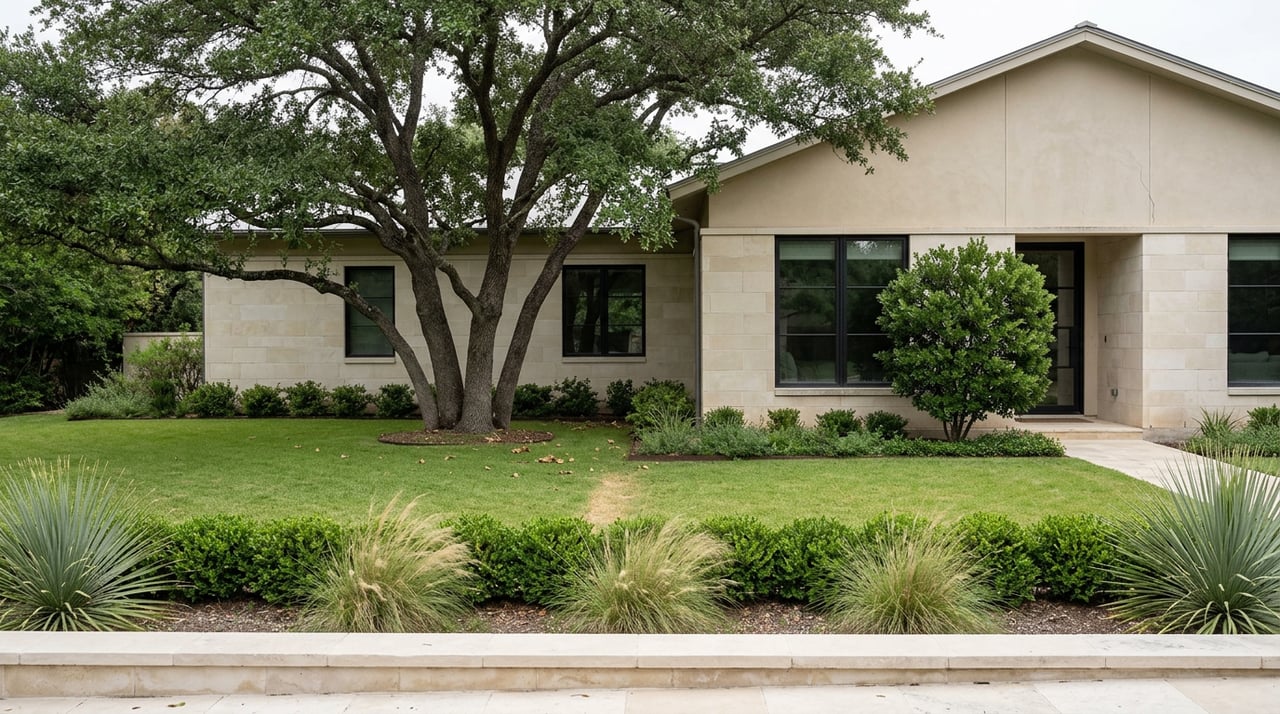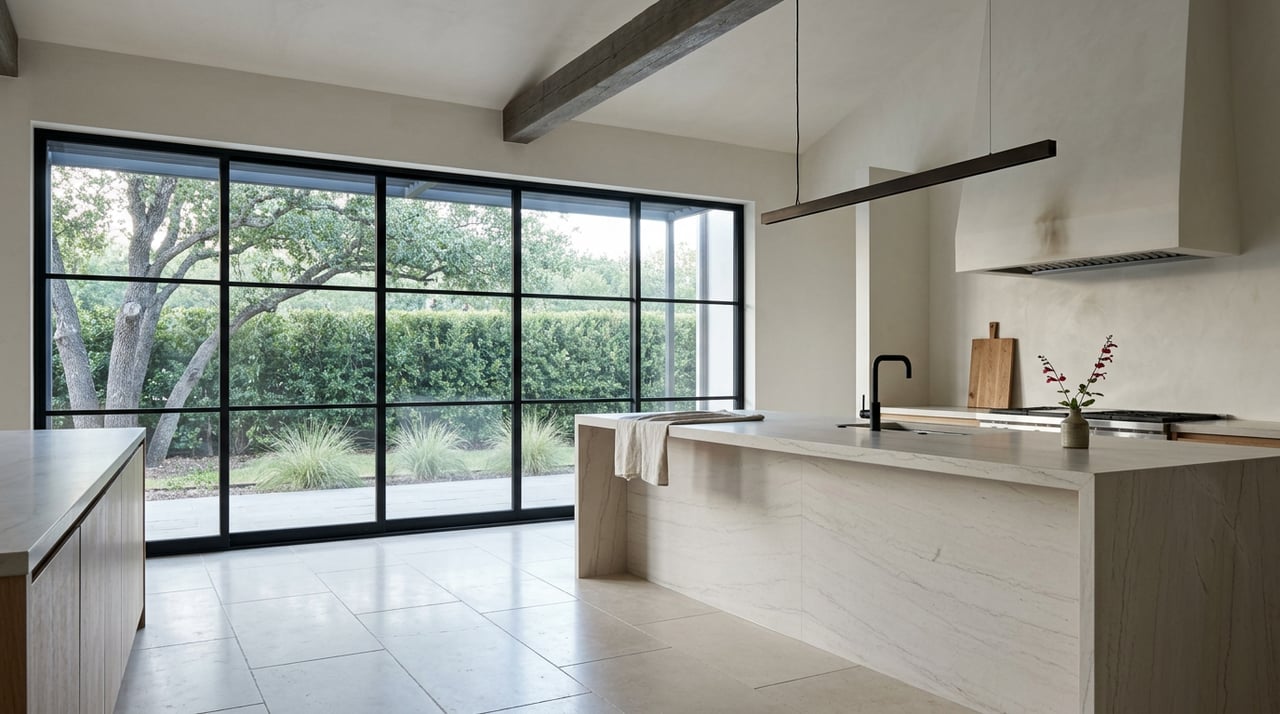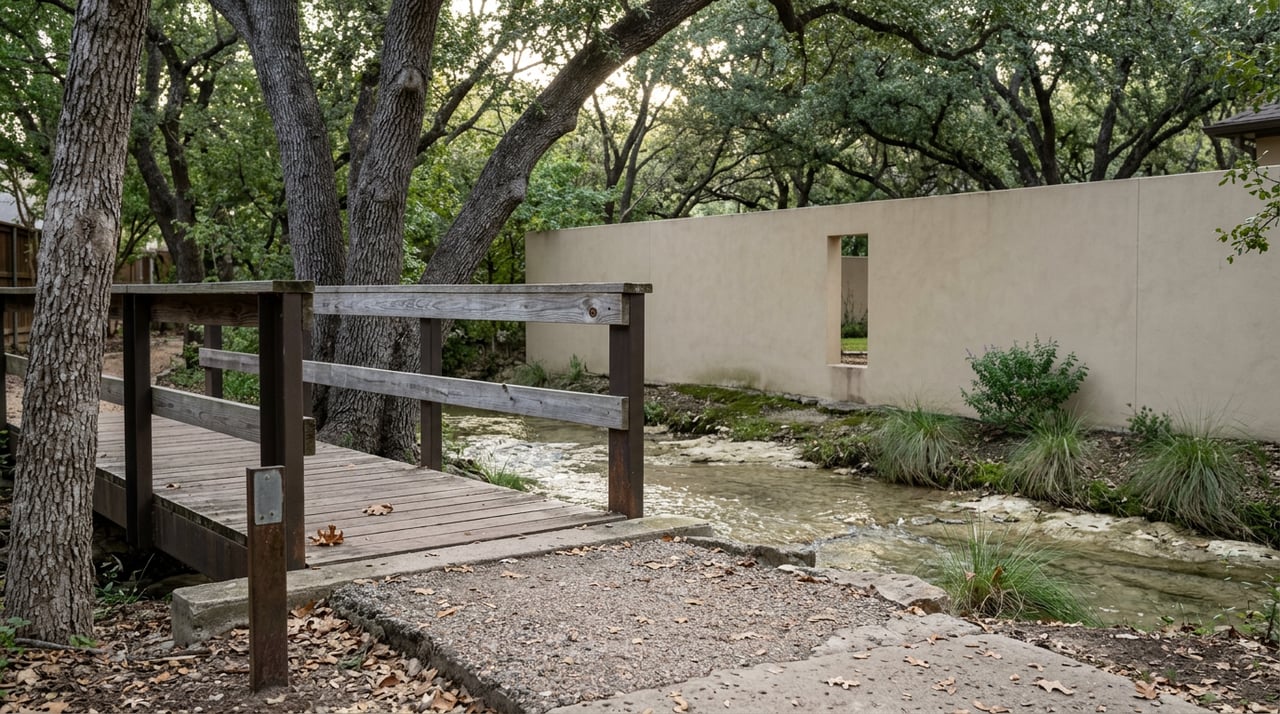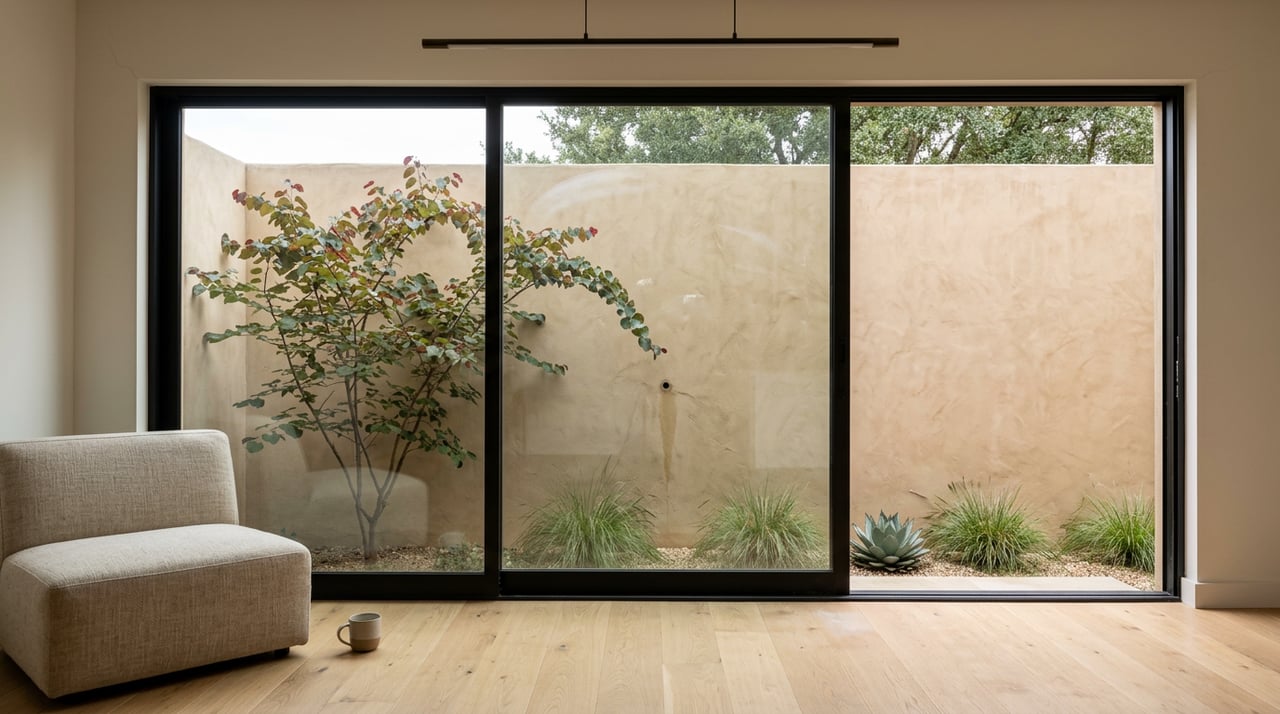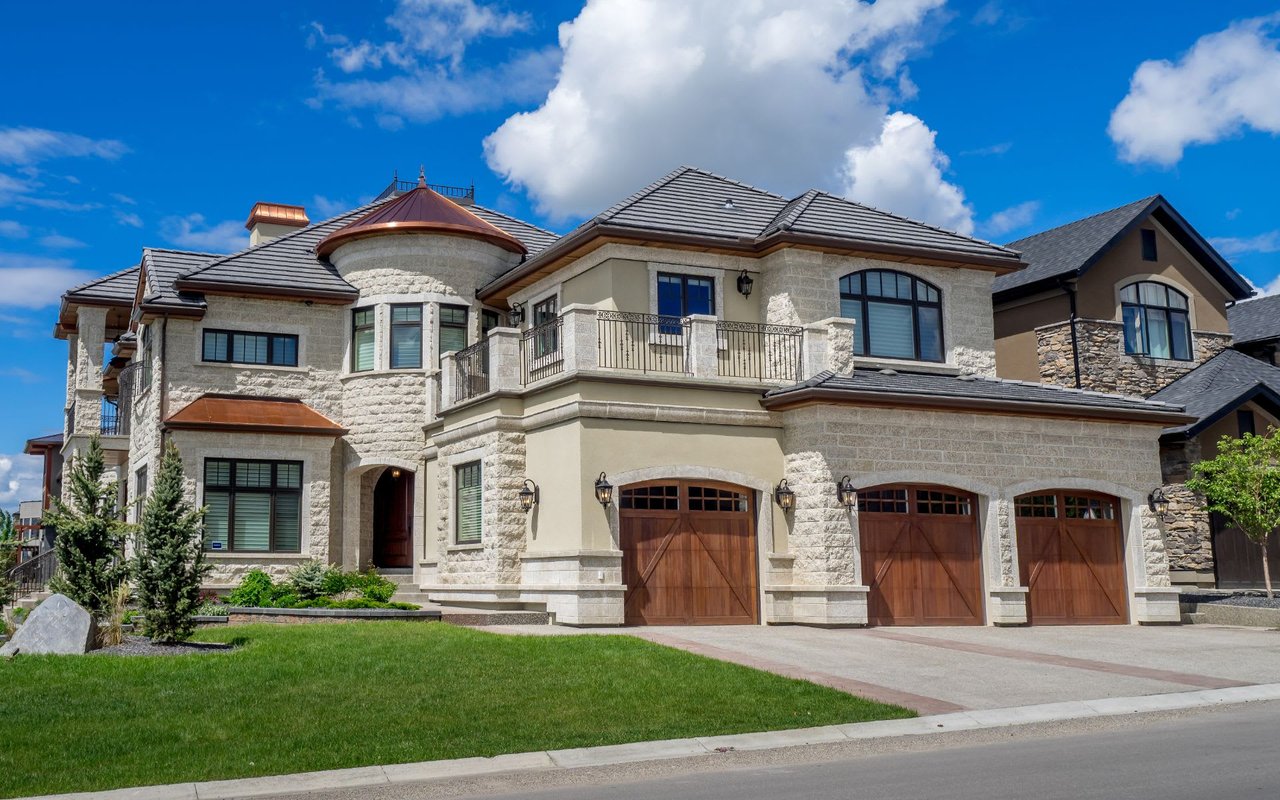
Travis Heights maintains a rare residential identity where preserved architectural character exists alongside immediate proximity to downtown Austin. Instead of functioning as a modern high-density district or a fully preserved historic enclave, it occupies a hybrid urban layer shaped by early neighborhood planning and its direct adjacency to central city corridors.
This combination produces a living environment where older residential form and modern city accessibility operate simultaneously without fully blending into either extreme.
How does early neighborhood development shape the physical identity of Travis Heights?
The structure of Travis Heights is influenced by early 20th-century residential planning, where street layouts, lot proportions, and housing orientation were designed around human-scale movement rather than high-density expansion. This results in irregular street patterns, mature tree coverage, and varied home styles that preserve a distinct architectural rhythm.
This early design character also connects to broader livability patterns seen in what are considered the most walkable neighborhoods in Austin, Texas, where walkability, street connectivity, and pedestrian-friendly layouts play a major role in shaping how residents experience convenience and daily movement within established neighborhoods.
CBRE research highlights that neighborhoods with preserved early development patterns often retain stronger identity differentiation compared to later-planned urban zones.
Why does proximity to downtown not override its residential character?
Despite being close to central Austin, Travis Heights does not transform into a high-intensity urban extension because its internal street structure does not support heavy through-traffic or commercial densification. Instead, it functions as a buffer zone where access is direct, but internal flow remains primarily residential.
This balance is also reflected in lifestyle transition patterns such as Downsizing to an Urban Luxury Home in Austin's 78704, where buyers prioritize central access while still seeking quieter, residential-scale environments that maintain comfort without full urban intensity.
Statista data on urban density patterns shows that neighborhoods positioned near city cores but without commercial saturation tend to maintain more stable residential usage over time.
How do lifestyle patterns evolve in a neighborhood like Travis Heights?
Living patterns in Travis Heights are shaped by a combination of pedestrian-friendly street design and immediate access to cultural and employment centers. This creates a residential rhythm where daily movement is split between local quietness and short-range urban engagement.
Harvard Business Review research notes that proximity-based living environments often attract residents who prioritize time efficiency and environmental familiarity over spatial expansion.
This reinforces Travis Heights as a location defined by lifestyle integration rather than separation.
What does this reveal about Travis Heights within Austin’s urban structure?
Travis Heights functions as a transitional residential layer that connects historic residential planning with modern urban accessibility. Its identity is not defined by density or expansion, but by continuity, where older housing patterns remain intact while the surrounding city evolves rapidly.
This positioning allows it to remain structurally distinct while still benefiting from immediate proximity to Austin’s central economic and cultural activity.
FAQs
Why does Travis Heights feel historic but central?
Because it was developed early and sits directly next to downtown Austin.
Is Travis Heights considered urban or residential?
It is a hybrid zone with residential structure and urban adjacency.
What shapes its neighborhood identity?
Historic street layout and preserved architectural variety.
Why do people choose to live there?
Because it combines accessibility with a distinct residential atmosphere.