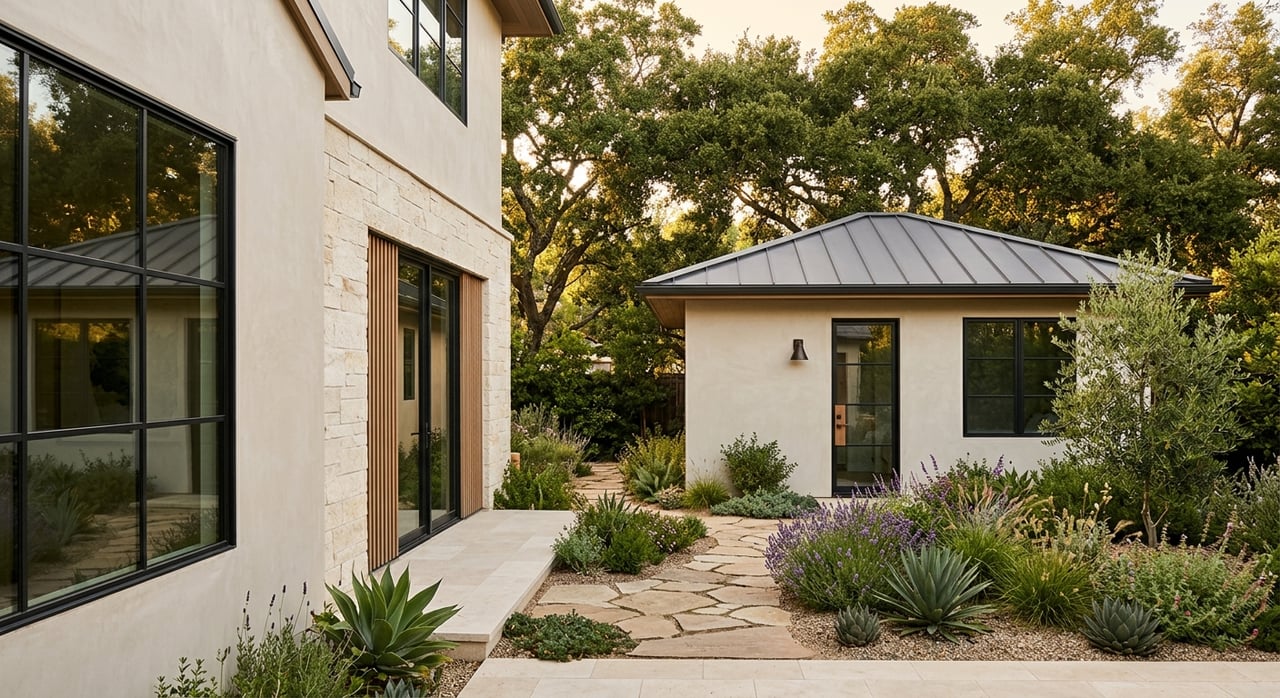
Thinking about adding an ADU in Bouldin Creek? It can be a smart way to create flexible living space, support long-term property goals, or explore rental potential, but it is rarely as simple as sketching a small structure in the backyard. In this part of Austin, mature trees, older lot layouts, zoning rules, and review requirements can all shape what is actually possible. This guide walks you through the key considerations so you can evaluate your lot more clearly and plan your next steps with confidence. Let’s dive in.
Why Bouldin Creek needs a careful approach
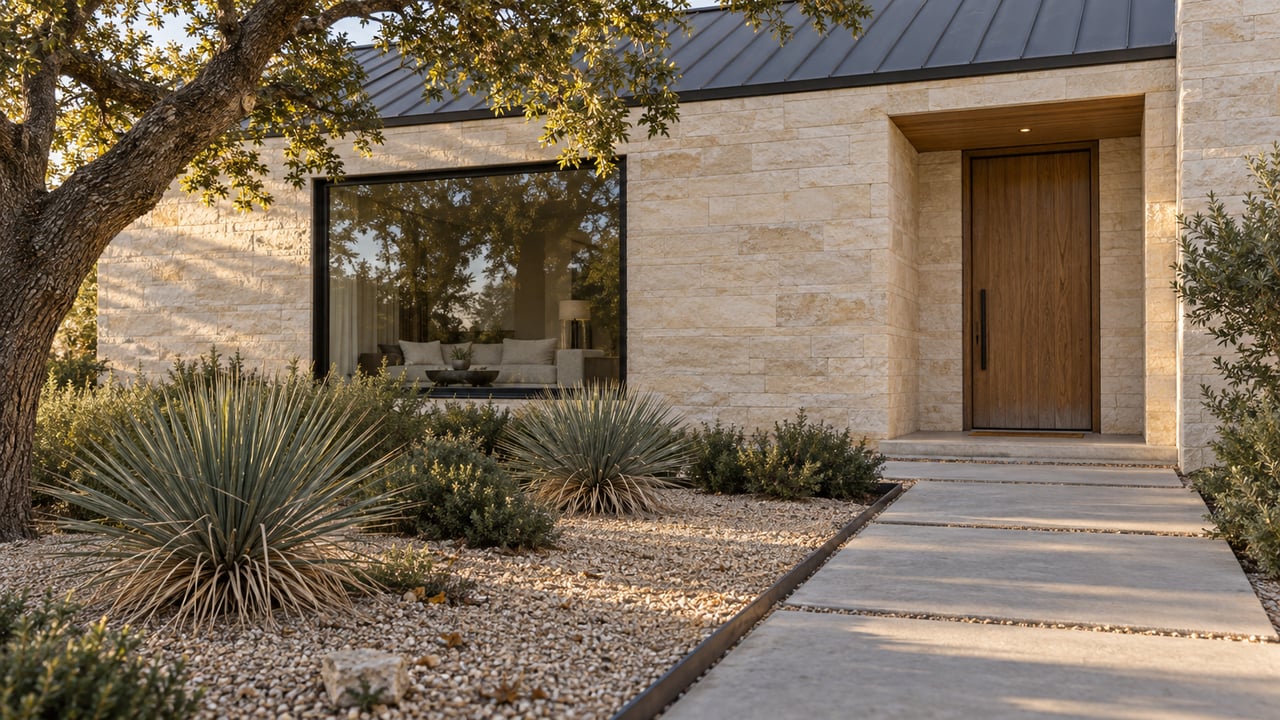
Bouldin Creek is a mature urban neighborhood with established trees, eclectic homes built over time, and a streetscape where garages and carports are rare and driveways are often narrow and unobtrusive. That context matters because an ADU here is not just a zoning exercise. It also has to fit the lot’s access, tree canopy, and overall visual scale.
On many Bouldin Creek properties, the best ADU plan is one that feels integrated rather than oversized. A lower-profile structure with simple rooflines and placement behind the main house will often fit the existing pattern more naturally. That does not guarantee approval, but it is a practical lens for early planning.
Start with Austin ADU eligibility
Before you think about design, verify whether your property qualifies for an ADU under current Austin rules. The city defines an ADU as a separate dwelling unit on the same property as a single-family home. If a structure includes habitable space, a full bathroom, and a sink or dishwasher outside the bathroom, it is treated as a dwelling unit and must meet the related requirements.
For a traditional ADU path, Austin says the property must be zoned SF-1, SF-2, or SF-3, and the lot must be at least 5,750 square feet. That is one of the first filters to check. If your lot does not meet those standards, you may need to explore a different housing path rather than a standard ADU.
Austin’s 2025 HOME amendments also expanded other housing options on some single-family lots. In some cases, that may open the door to a broader two-unit or three-unit redevelopment concept instead of a true ADU. The important point is that these are not the same path, and the standards and review process can differ.
Check the lot before you plan the unit
In Bouldin Creek, lot fit is often where a project succeeds or stalls. Even if zoning allows an ADU, the physical realities of the site can still change the scope, cost, and timeline.
Here are the most important items to verify early:
- Lot area to confirm the property meets Austin’s ADU minimum
- Zoning designation to confirm ADUs are allowed on the site
- Setbacks, height, and impervious cover because feasibility is not based on lot size alone
- Driveway and access conditions since older lots may have limited room for construction access or staging
- Tree canopy and site layout because mature trees can shape placement options
- Deed restrictions or restrictive covenants that may limit what is allowed beyond city code
This is especially important in Bouldin Creek, where the neighborhood pattern includes narrow driveways and limited visible parking. A plan that works on paper may still be difficult to build if access for crews, materials, or future use is constrained.
Understand setbacks, height, and separation
Austin zoning rules also control building heights, setbacks, and impervious cover. That means the question is not just whether you have enough square footage on the lot. It is whether the ADU can sit in a compliant building envelope once all site constraints are considered.
The city no longer requires a minimum distance between the main home and the ADU for zoning purposes. However, the project still has to meet technical code and fire-separation rules. In practice, that can affect how close the ADU can be placed and how the structure is detailed.
For many owners, this is where concept plans start to shift. A slightly smaller footprint or a different placement on the lot may produce a smoother path than trying to maximize every square foot.
Watch for floodplain and historic review
Two issues can change your timeline quickly: floodplain review and historic review. Austin’s Residential Plan Review requires floodplain review if the property is inside the city’s 100-year floodplain or within 100 feet of its boundary.
That matters in a neighborhood like Bouldin Creek, where creeks and green corridors are part of the area’s character. If your lot falls into that review area, your timeline and technical requirements may differ from a more straightforward site.
Historic review is another early checkpoint. If the property is in a historic district, exterior site and building changes generally require review and approval from the Historic Preservation Office or the Historic Landmark Commission.
Know the permit path
Austin’s current ADU permit path is fairly structured, and it helps to know the sequence before you start spending heavily on plans. The city’s process begins with confirming that the ADU is allowed, then requesting a new address or building number.
From there, you submit a residential new-construction or addition permit through AB+C, pay plan review fees, activate the permit, complete inspections, and obtain a certificate of occupancy. Review times and fees vary by property and project scope. The city also offers separate appointments for zoning and building-code questions, which can be useful if your lot has unusual constraints.
A simple way to think about the process is this:
- Confirm zoning and base eligibility
- Verify lot conditions and restrictions
- Request the address or building number
- Prepare and submit permit materials
- Complete plan review and permit activation
- Build, inspect, and obtain certificate of occupancy
Think about use before design
One of the biggest mistakes owners make is designing the structure first and defining the use later. In reality, the intended use should shape layout, privacy, access, and investment decisions from the beginning.
Some owners want an ADU for extended-family living or a caregiver arrangement. Others want a long-term rental, guest space, or a flexible work-live setup tied to future resale. Each goal can point to a different floor plan and site strategy.
HUD case studies note that ADUs can support adult children, caregivers, and other extended-family living arrangements. They also note that attached ADUs are often preferred for multigenerational and accessible living. If flexibility is a priority, that is worth considering at the concept stage.
Be realistic about rental income
If you are considering income potential, take a measured approach. An ADU can create rental flexibility, but income should not be treated as automatic.
For short-term rentals, Austin allows this use as an accessory use to residential uses in all zoning districts if the property has a valid operating license. The city also requires compliance with operating-license rules, local-contact requirements, and hotel-occupancy-tax reporting.
That means short-term rental use may be possible, but it is regulated. For long-term use or family use, the most marketable ADUs in Bouldin Creek will usually feel like thoughtful, well-integrated living space rather than a second house squeezed onto the lot.
Design for fit, not just maximum size
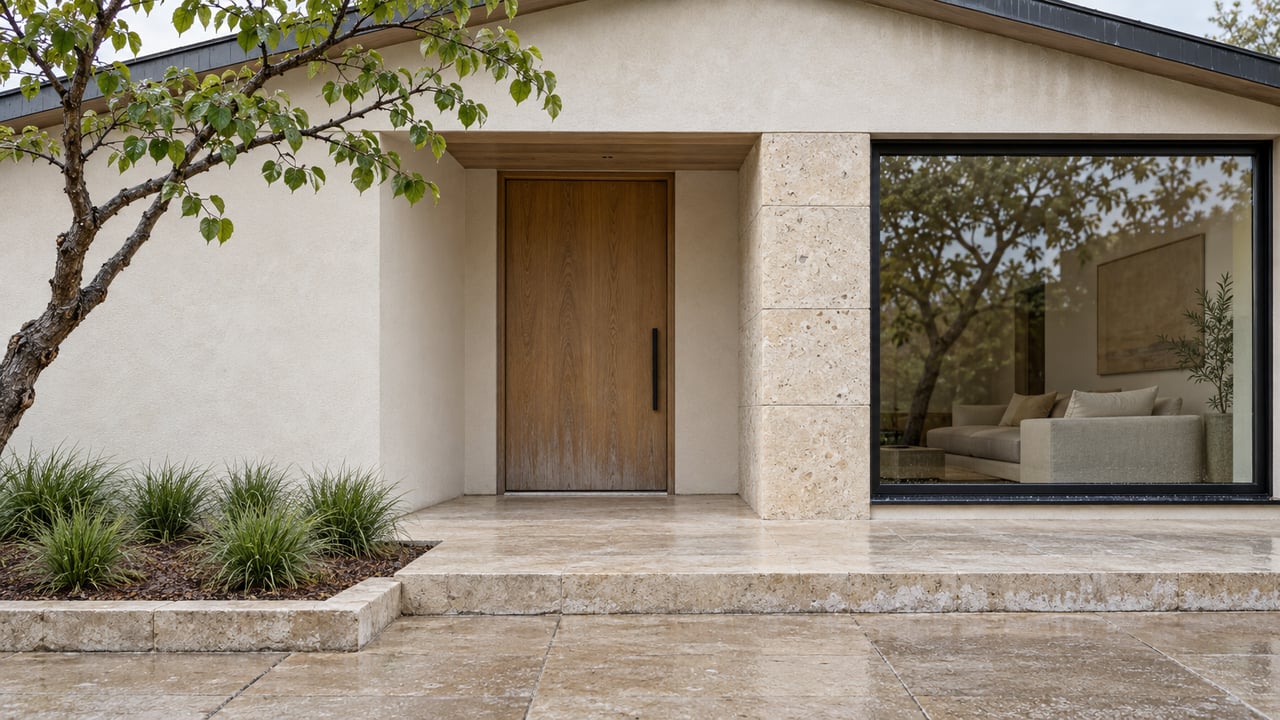
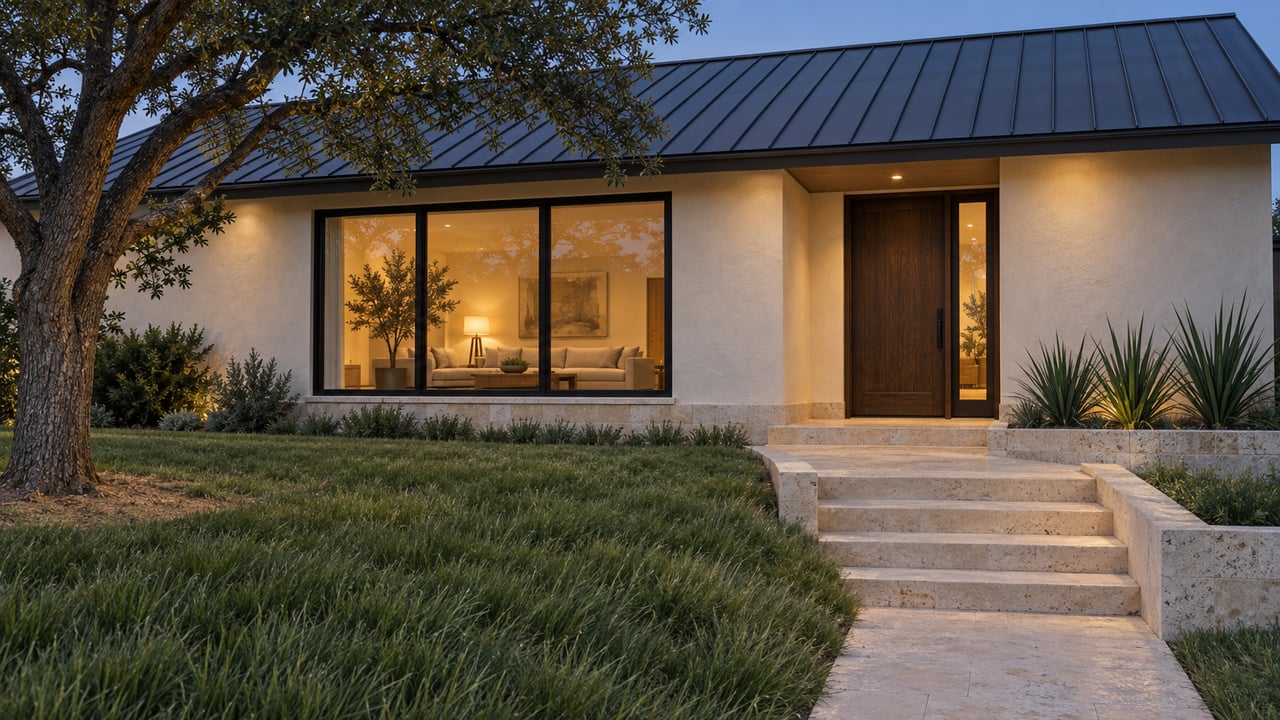
In a neighborhood like Bouldin Creek, restraint can add value. Because the area is known for established trees, eclectic homes, porches, decks, and a modest streetscape, a lower-profile ADU often fits better than a highly visible structure that dominates the yard.
That does not mean every ADU should look the same. It means the strongest projects usually respond to the lot and the existing home with care. Placement behind the main house, simple massing, and attention to how the building reads from the street can all help the final result feel more natural.
It is also wise to think about construction logistics early. On older lots with narrow driveways and limited work areas, material staging and contractor access can become real constraints. Addressing those details up front can reduce costly surprises later.
When an ADU may not be the best path
Sometimes the right answer is not an ADU. If the lot is under 5,750 square feet, constrained by deed restrictions, affected by floodplain or historic review, or better suited to a different housing strategy under Austin’s current rules, another path may make more sense.
That is especially true for owners thinking in investment terms. A standard ADU, a broader multi-unit concept, and a future resale strategy can lead to very different decisions about budget, timing, and property positioning.
In Bouldin Creek, the most successful projects usually begin with a realistic screening process. The goal is to understand not just what is theoretically allowed, but what is practical for your lot and aligned with your long-term plans.
If you are weighing an ADU in Bouldin Creek, the best first step is a property-specific review of zoning, lot size, access, restrictions, and likely use. That kind of upfront clarity can save time and help you make a more confident decision about whether to build, redesign, or pursue another strategy. If you want a hyperlocal perspective on how an ADU could affect usability, marketability, or long-term value in 78704, connect with Carl Shurr.
FAQs
What is an ADU in Austin?
- An ADU is a separate dwelling unit on the same property as a single-family home, and if it includes habitable space, a full bathroom, and a sink or dishwasher outside the bathroom, Austin treats it as a dwelling unit.
Can every Bouldin Creek lot have an ADU?
- No. Austin says a traditional ADU may be built only on SF-1, SF-2, or SF-3 property, and the lot must be at least 5,750 square feet.
What lot issues matter most for an ADU in Bouldin Creek?
- The most important early checks are zoning, lot area, setbacks, height, impervious cover, deed restrictions, floodplain status, historic-district status, tree canopy, and construction access.
Does Austin require distance between the main house and ADU?
- Austin no longer requires a minimum zoning distance between units, but the project still must satisfy technical code and fire-separation rules.
Can you use a Bouldin Creek ADU as a short-term rental?
- It may be possible, but only if the property complies with Austin’s short-term rental rules, including a valid operating license and related local requirements.
Why can ADU projects take longer in Bouldin Creek?
- Timelines can change if the property needs floodplain review, falls within 100 feet of the city’s 100-year floodplain, or is located in a historic district that requires additional review.
Should you plan the use or the design first for a Bouldin Creek ADU?
- The intended use should come first because family living, long-term rental, guest space, and flexible future resale can each lead to different layout and site decisions.