Thinking about renovating a historic home in Travis Heights? It can be one of the most rewarding projects in central Austin, but it also comes with extra layers of planning. If you want to update an older home without creating permit delays, design missteps, or unnecessary surprises, it helps to understand how historic review works here. Let’s dive in.
Why Travis Heights renovations need care
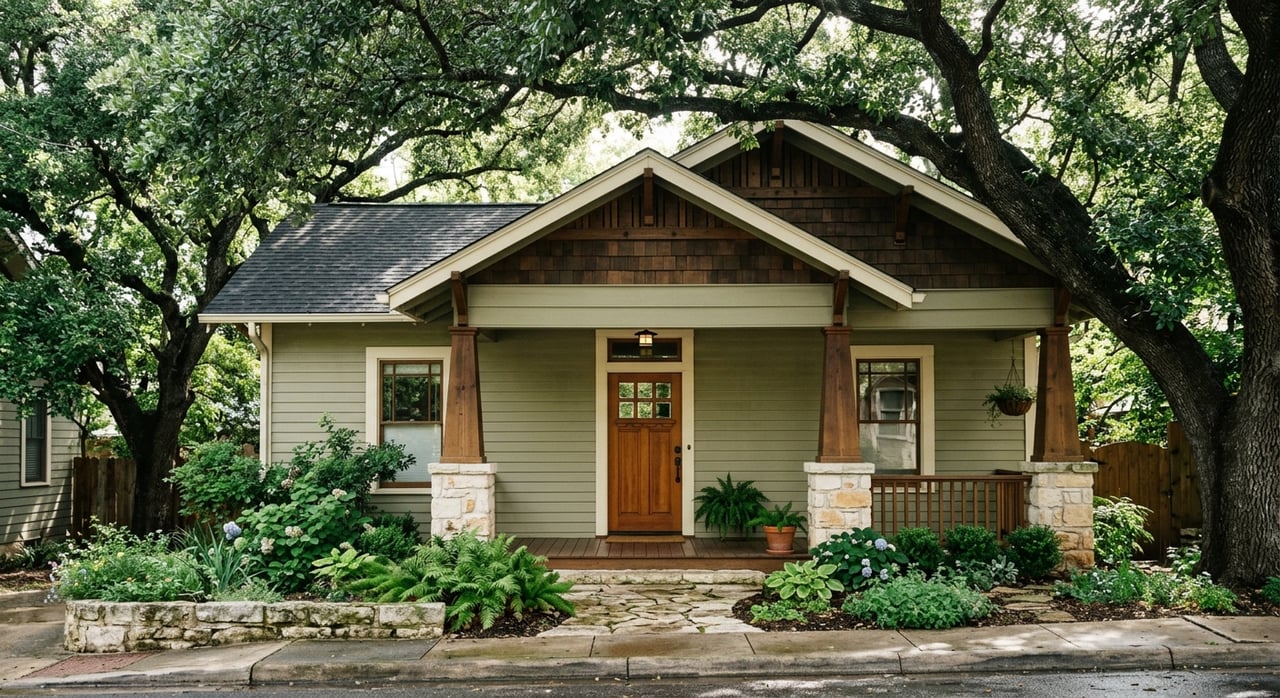
Travis Heights-Fairview Park Historic District was listed in the National Register in 2021. The district covers roughly 353 acres and includes a wide range of housing styles, from late-19th-century Victorian homes to Craftsman, Period Revival, Minimal Traditional, and Ranch properties.
That mix is part of what makes Travis Heights so appealing. When you renovate here, you are often working with a home that contributes to the area’s historic character, which means design decisions deserve a preservation-first mindset.
Austin recognizes National Register historic districts and applies advisory historic review to properties in those districts. The city also notes that older buildings can support sustainability, preserve neighborhood character and culture, and contribute to housing continuity over time.
National Register status versus local review
One of the biggest points of confusion for homeowners is what National Register listing actually means. Federal recognition does not automatically place blanket federal restrictions on a private owner unless federal assistance, licensing, or permitting is involved.
In Travis Heights, the process that usually affects your renovation is local. Austin’s permit and historic-review system is what shapes most real-world decisions about additions, exterior changes, demolition, and relocation.
That distinction matters if you are budgeting, designing, or weighing a major remodel against a teardown. A project may feel private, but once permits are involved, city review can become a key part of the timeline.
When historic review may apply
If your home is in the Travis Heights-Fairview Park Historic District, Austin reviews exterior and site changes as part of the permit process. Additions are reviewed by the Historic Preservation Office, and total demolition or relocation may also be reviewed, with possible referral to the Historic Landmark Commission.
Austin also reviews demolitions and relocations of buildings that are 45 years old or older if they may be eligible for landmark designation. In other words, even if a property is not formally locally designated, age alone can trigger review in certain situations.
For locally designated landmarks or properties in local historic districts, non-routine exterior work generally requires a Certificate of Appropriateness before a building permit is released. This can include additions, new construction, roof-material changes, and visible site work.
Check your home’s status early
Before you finalize plans, confirm how the city classifies the property. Austin directs homeowners to use the Historic Property Viewer and historic resource surveys to see whether a home is a landmark, in a local historic district, or in a National Register district.
This early step can save time and money. It helps you and your design team understand the likely review path before investing heavily in drawings or pricing out a scope that may need to change.
If you are buying a home with renovation potential, this is just as important during due diligence. Knowing the review path up front can shape how you value the opportunity.
What compatible design looks like
A successful historic renovation in Travis Heights usually does not try to erase the original house. Austin’s historic design standards emphasize preserving the character of the historic building and site while making new work compatible through location, scale, massing, design, and materials.
In practical terms, that often means keeping the historic home legible from the street. The most successful additions are frequently placed at the rear or side so the street-facing form remains relatively unchanged.
The city also encourages additions to appear subordinate to the original structure. If the new square footage overwhelms the old house, the design may conflict with the basic preservation approach Austin expects in historic contexts.
Smart addition strategies for older homes
If you need more space, there are thoughtful ways to get it. Austin’s standards say additions should match floor-to-floor heights as closely as possible, which helps the new work feel intentional rather than awkward.
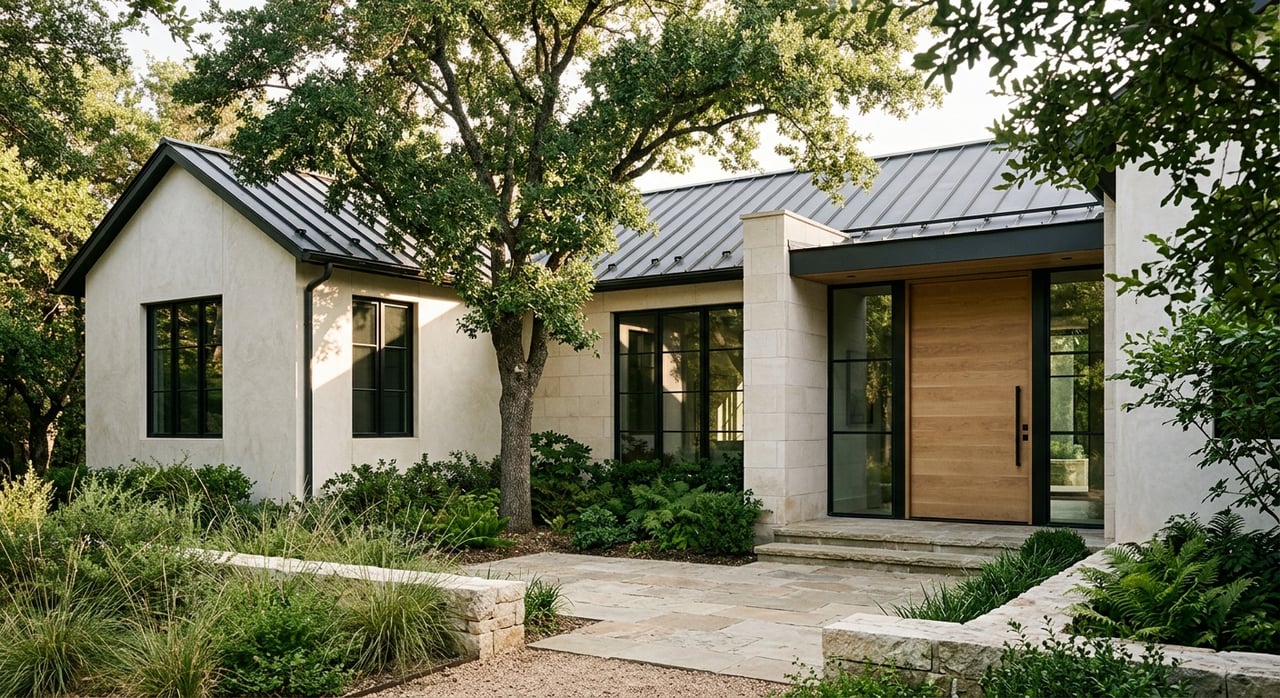
For larger expansions, the city allows additions to read as separate masses connected by a breezeway or hyphen when that approach fits better. This can be especially useful when a bulky attachment would overpower the original home.
For many Travis Heights remodels, the goal is simple: preserve the front-facing identity of the historic house, then add modern function in a way that feels respectful and balanced.
Windows, doors, and exterior details matter
Small details can have a big impact during historic review. Austin’s standards emphasize repair over replacement when possible, especially for original windows and doors.
If replacement is necessary, the new unit should match the original size, configuration, profile, finish, and details. That means a replacement choice is not only about energy performance or cost. It is also about maintaining the architectural language of the home.
The city also discourages false muntins inserted inside insulated glass because they can create a misleading appearance. In a historic setting, visual accuracy matters more than many homeowners expect.
Why teardowns carry extra risk
In Travis Heights, a teardown is not just a design decision. It is also a regulatory decision.
Because Austin reviews total demolition and relocation in National Register historic districts, a replacement-house strategy may face more scrutiny than buyers or owners first assume. If you are comparing a major remodel to a full teardown, review risk should be part of the equation from the start.
This is especially important for investors and buyers looking at value-add opportunities. The highest-return path on paper is not always the easiest path to permit.
Older-home due diligence before work begins
Before construction starts, older homes deserve a careful pre-renovation review. If a home was built before 1978, renovation, repair, and painting can create lead dust when lead-based paint is disturbed.
The EPA advises hiring certified lead professionals and using lead-safe work practices in these situations. Contractors who disturb lead-based paint in pre-1978 homes must be trained in lead-safe practices.
Asbestos is another important consideration in older housing stock. The EPA says a thorough inspection should be completed before renovation or demolition work when the project is subject to asbestos requirements, and it notes that rules can vary by location.
A practical renovation checklist
If you are planning to renovate a historic home in Travis Heights, this sequence can help:
- Confirm whether the home is in a National Register district, a local historic district, or individually designated
- Review the age of the structure and whether demolition or exterior work may trigger historic review
- Talk with your design and construction team early about preserving the street-facing character of the home
- Build additions to the rear or side when possible
- Evaluate whether original windows and doors can be repaired before replacing them
- Plan for lead-safe work practices if the home was built before 1978
- Investigate possible asbestos concerns before demolition or major renovation begins
- Account for permit review in your timeline and budget
Why local guidance matters in Travis Heights
Historic renovations are rarely one-size-fits-all. In Travis Heights, outcomes often depend on the home’s age, status, architectural style, and the visibility of the proposed work.
That is why local knowledge matters so much, especially in a neighborhood where historic character and long-term property value are closely connected. A clear strategy at the beginning can help you protect both your timeline and your investment.
If you are evaluating a purchase, considering a renovation, or deciding whether to remodel or sell, working with someone who understands Travis Heights at the block-by-block level can make the process much more informed. For tailored guidance on historic homes and renovation opportunities in 78704, connect with Carl Shurr.
FAQs
What makes renovating a historic home in Travis Heights different?
- Homes in the Travis Heights-Fairview Park Historic District may be subject to Austin historic review for exterior changes, additions, demolition, or relocation, so planning and permits often require extra care.
Does National Register status restrict what you can do to a Travis Heights home?
- National Register listing is a form of recognition, not a blanket federal restriction on private owners, but Austin’s local permit and historic-review process can still affect renovation plans.
When does Austin review a renovation project in Travis Heights?
- Austin reviews exterior and site changes in National Register historic districts, and it also reviews demolitions and relocations of buildings that are 45 years old or older when they may be eligible for landmark designation.
What kind of addition works best for a historic Travis Heights home?
- Austin’s standards generally favor additions at the rear or side that remain subordinate to the original house and preserve the home’s street-facing character.
Should you replace original windows in a Travis Heights historic home?
- Austin’s standards emphasize repairing original windows when possible, and if replacement is necessary, the new windows should match the original size, configuration, profile, finish, and details.
What environmental issues should you check before renovating an older Travis Heights home?
- For homes built before 1978, you should plan for possible lead-safe work practices, and for major renovation or demolition, you should also investigate potential asbestos concerns before work begins.