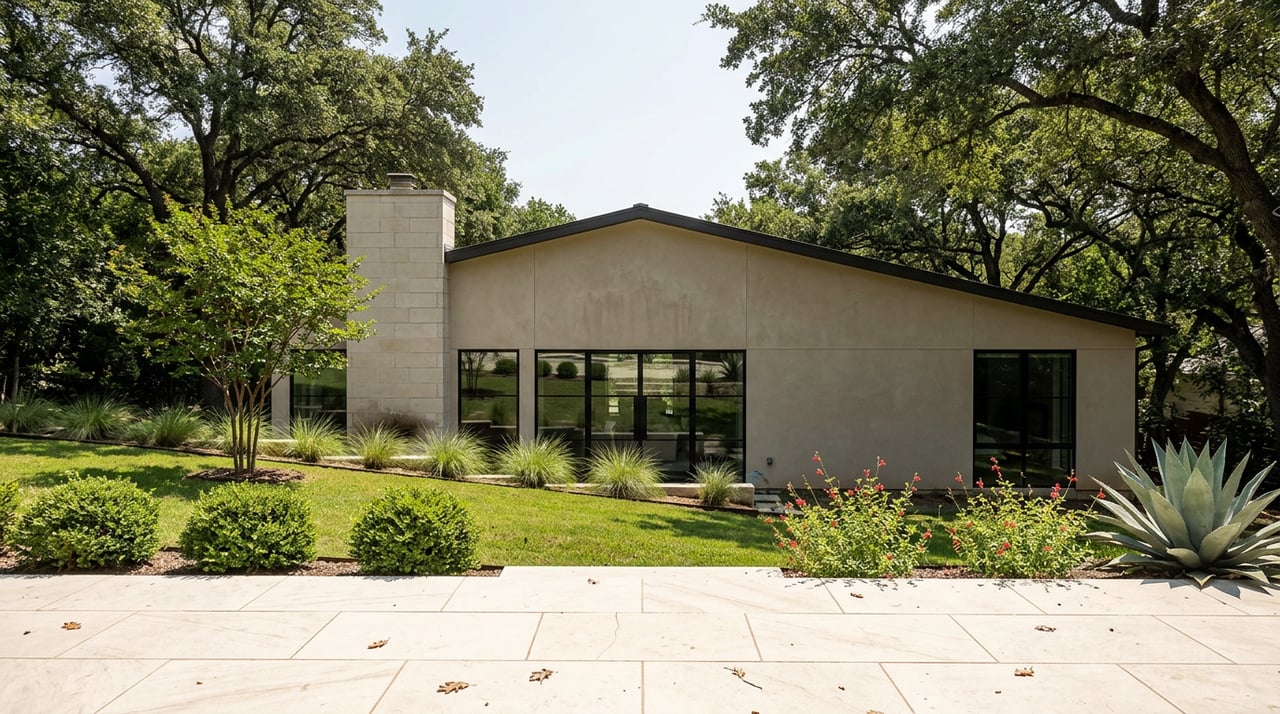
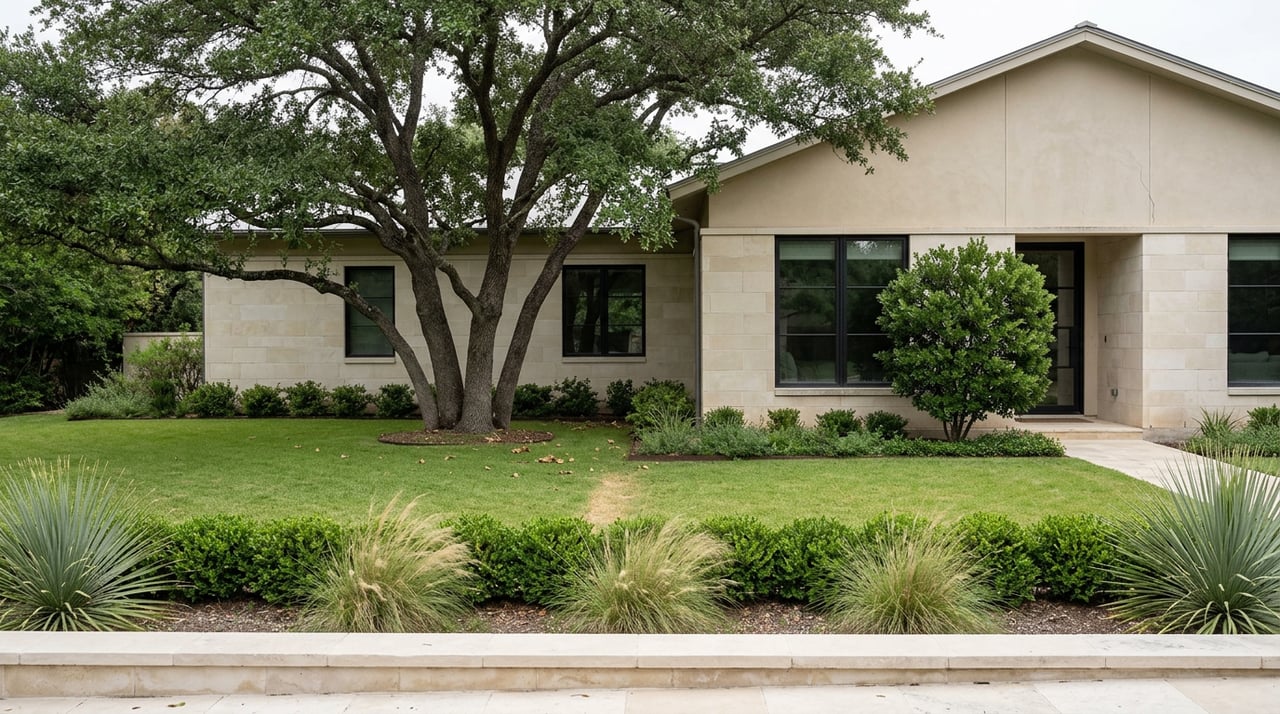
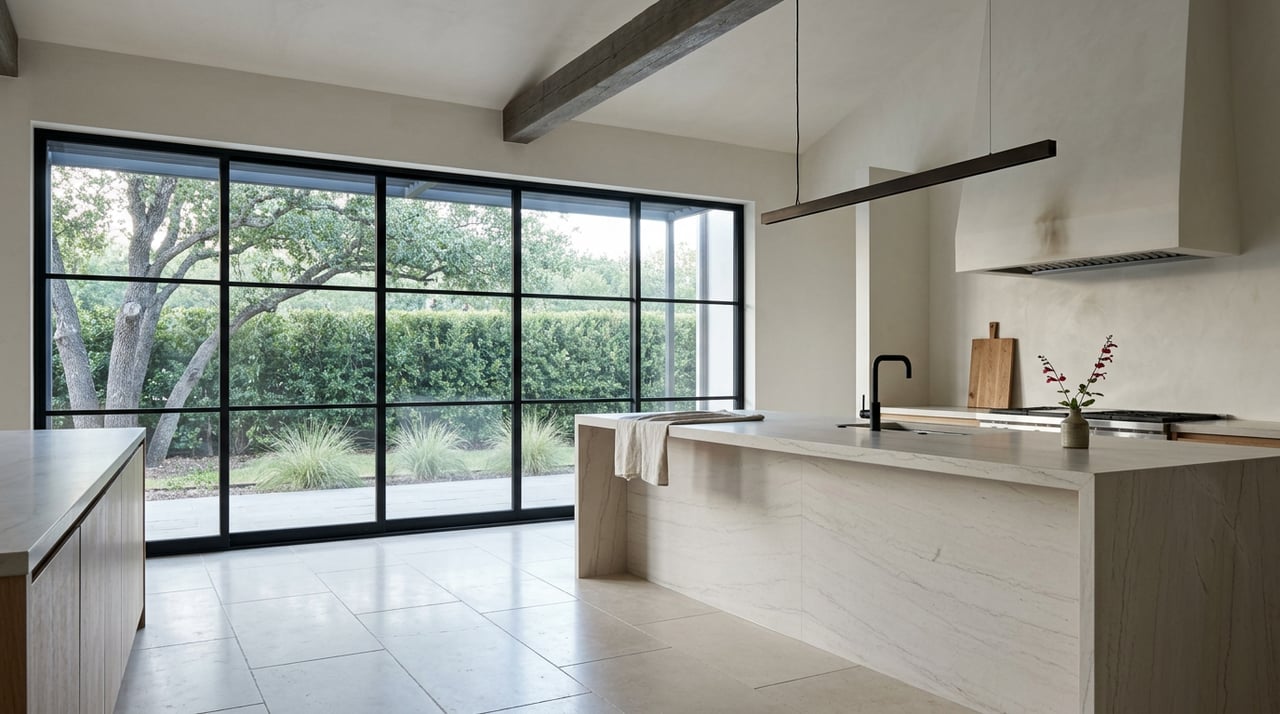
Luxury homes in Austin often sit on the market not because of weak demand, but due to misalignment between pricing, positioning, and buyer perception. In a high-value environment driven by migration, investment inflows, and selective buyer behavior, even well-constructed properties can stagnate when their launch strategy does not reflect how luxury demand actually functions.
The challenge is rarely the asset itself, it is how the asset is introduced, interpreted, and absorbed by the market.
What causes luxury homes in Austin to lose market momentum?
Luxury listings typically lose market momentum when pricing and positioning are not aligned with buyer expectations at launch. In this segment, buyers are not only evaluating physical features, but also interpreting signals such as scarcity, pricing confidence, and urgency.
Market response is also shaped by how different areas hold value over time, which is why the question “Which Austin Luxury Areas Hold Value Best?” becomes relevant in understanding why some listings gain traction faster while others struggle depending on neighborhood strength, exclusivity, and long-term appreciation patterns.
When a property is priced above its perceived value, interest drops quickly. If it stays on the market, it can develop “perceived staleness,” where time alone begins to weaken buyer perception even if the property itself hasn’t changed.
Real estate consultants often emphasize pricing discipline as a key driver of success in the luxury segment, a perspective Carl Shurr applies when evaluating high-value listing performance and strategy.
How does market exposure influence buyer perception?
Luxury buyers in Austin respond more strongly to controlled scarcity than maximum exposure. This is why listing strategy plays a critical role in outcomes across the Austin luxury real estate market trends.
Buyer behavior is also heavily influenced by relocation patterns and lifestyle-driven decisions, which connects directly to What Should Relocation Buyers Know About Austin Luxury Homes?, since relocation buyers often enter the market with different pricing expectations, urgency levels, and neighborhood priorities compared to local buyers.
Zillow data shows that early-stage listing momentum significantly influences long-term absorption rates in high-end markets. Luxury properties that remain publicly listed for extended periods often begin to lose perceived exclusivity, even when fundamentals remain strong.
CBRE highlights the increasing importance of controlled and private listing channels in luxury transaction performance.
Why does strategy matter more than exposure in luxury sales?
In luxury real estate, strategic positioning often outweighs exposure volume, especially in competitive environments like luxury real estate Austin.
Market entry timing, pricing structure, and perceived scarcity all shape how buyers interpret value. A misaligned launch can reduce engagement velocity even in strong markets, simply because the property is framed incorrectly from the beginning.
Knight Frank emphasizes that perception-driven valuation remains one of the most influential forces in ultra-prime markets.
In practice, luxury performance depends less on visibility and more on conversion efficiency, how quickly attention translates into qualified demand.
Forbes contributors consistently note that pricing discipline is a primary driver of success in high-end property markets.
FAQs
Why do luxury homes in Austin stay on the market longer?
Most cases are due to pricing and positioning misalignment rather than lack of demand.
Does overpricing affect luxury home sales?
Yes. It reduces early momentum and weakens long-term buyer engagement.
Is exposure or strategy more important in luxury real estate?
Strategy is more important because it determines how buyers interpret value and exclusivity.
Do relocation buyers affect luxury home demand in Austin?
Yes. Relocation-driven demand significantly influences pricing stability and competition levels.