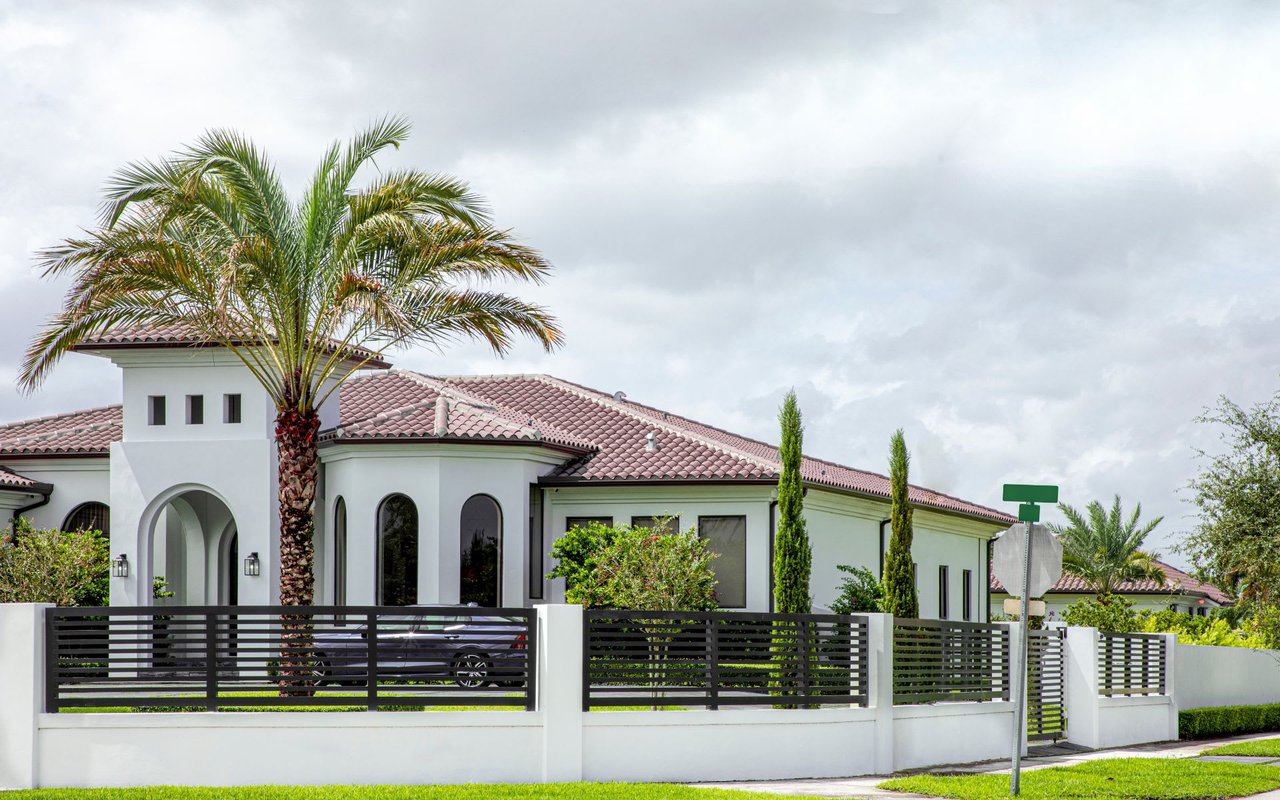
Zilker experiences a consistently high level of daily movement due to the convergence of public recreation space, residential proximity, and city-wide attraction points within a compact geographic area. Rather than functioning as a purely residential neighborhood, it operates as a shared activity zone where local routines and city-level visitation intersect throughout the day.
This creates a continuous flow of pedestrians, cyclists, and visitors, shaping a dynamic environment that differs significantly from more isolated residential districts in Austin.
How do major public spaces influence movement patterns in Zilker?
The presence of large-scale public areas, particularly green spaces and recreational zones, acts as a primary driver of daily activity. These spaces attract not only residents but also visitors from across Austin, creating a layered pattern of movement that extends beyond neighborhood boundaries.
This dynamic is closely reflected in Top Outdoor Activities to Experience in Barton Hills, TX, where access to parks, trails, and outdoor destinations plays a major role in shaping how both residents and visitors interact with nearby neighborhoods like Zilker.
Knight Frank research indicates that neighborhoods anchored by major lifestyle destinations often experience sustained activity levels due to their role as shared urban spaces.
Why does Zilker function as both a local and city-wide destination?
Zilker’s location and accessibility allow it to serve dual roles, supporting daily routines for residents while also acting as a destination for recreation, events, and social gatherings. This overlap increases both the intensity and frequency of movement in the area.
This level of integration between lifestyle and living space also connects to Must-Have Smart Home Features Zilker Homeowners Can't Live Without, where homeowners adapt their properties to match the demands of a highly active, convenience-driven environment shaped by constant movement and accessibility.
The Wall Street Journal notes that neighborhoods positioned around high-use public amenities often experience continuous engagement from both local and non-local populations.
How does residential proximity amplify daily activity levels?
Homes located within close distance to parks, trails, and gathering areas naturally integrate into these activity flows. Residents are more likely to engage in outdoor routines such as walking, cycling, and social interaction, which further reinforces the volume of movement within the neighborhood.
Forbes Real Estate Council highlights that proximity to lifestyle infrastructure significantly increases daily engagement with surrounding environments, particularly in high-density recreational areas.
This integration between home and activity space creates a continuous cycle of movement.
What does this level of activity indicate about Zilker’s role in Austin?
Zilker functions as one of Austin’s most active neighborhood ecosystems, where residential life and public interaction are closely intertwined. Its role extends beyond housing, acting as a central hub for outdoor engagement, social connection, and city-wide participation.
This continuous activity pattern defines the area not just as a place to live, but as a space where daily experiences are shaped by constant interaction with the surrounding environment.
FAQs
Why is Zilker always busy?
Because it combines major public spaces with residential proximity and city-wide access.
Who contributes to the activity in Zilker?
Both local residents and visitors from across Austin.
Does foot traffic affect the living experience?
Yes, it creates a more active and socially engaged environment.
Is Zilker considered a destination or a neighborhood?
It functions as both simultaneously.