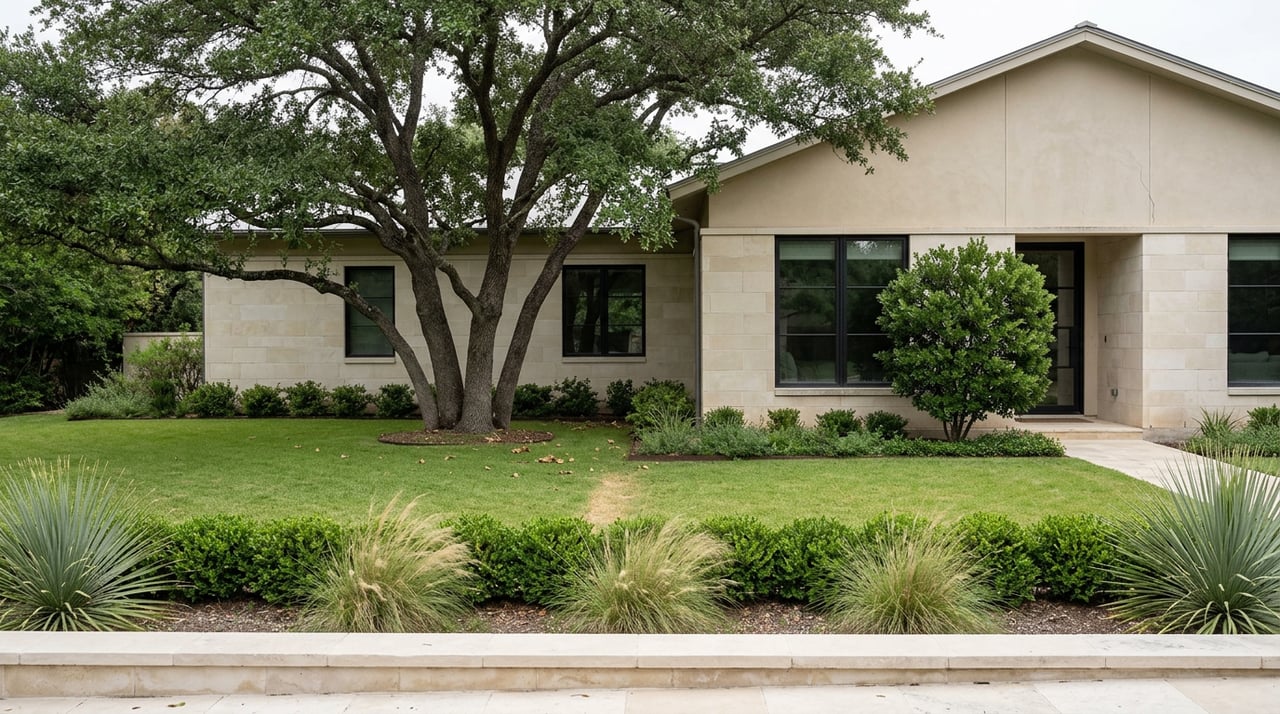
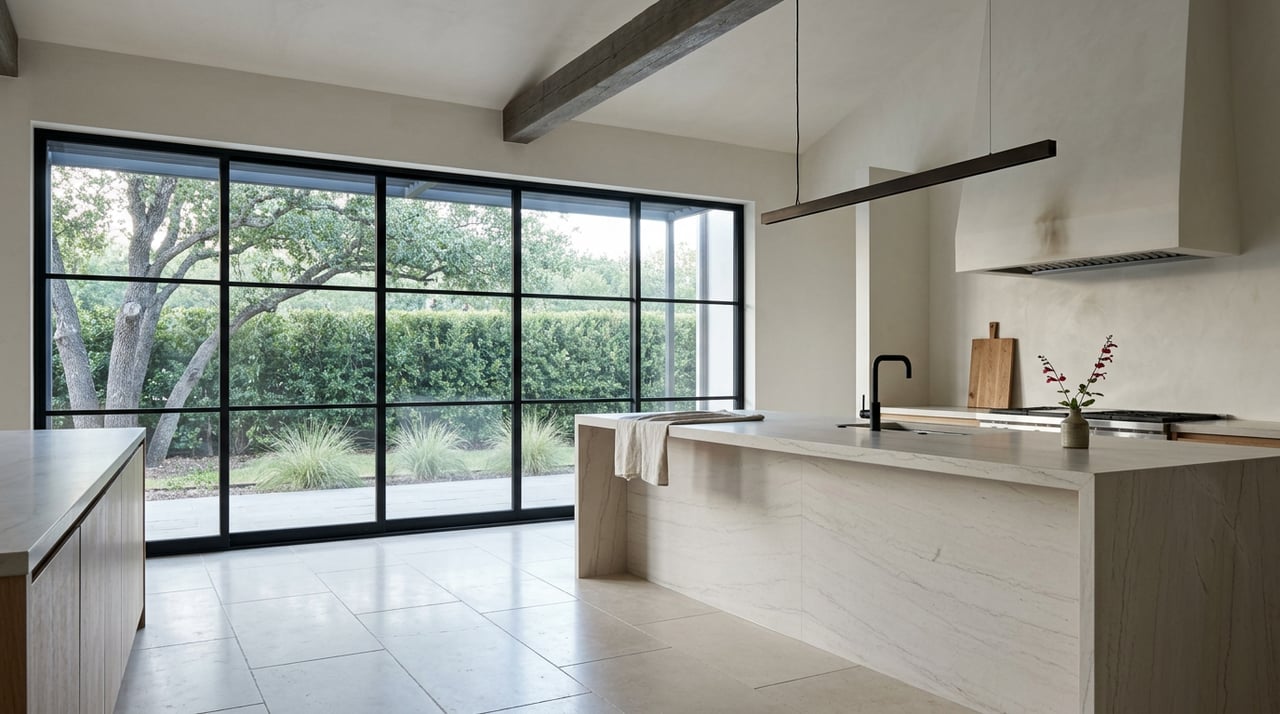
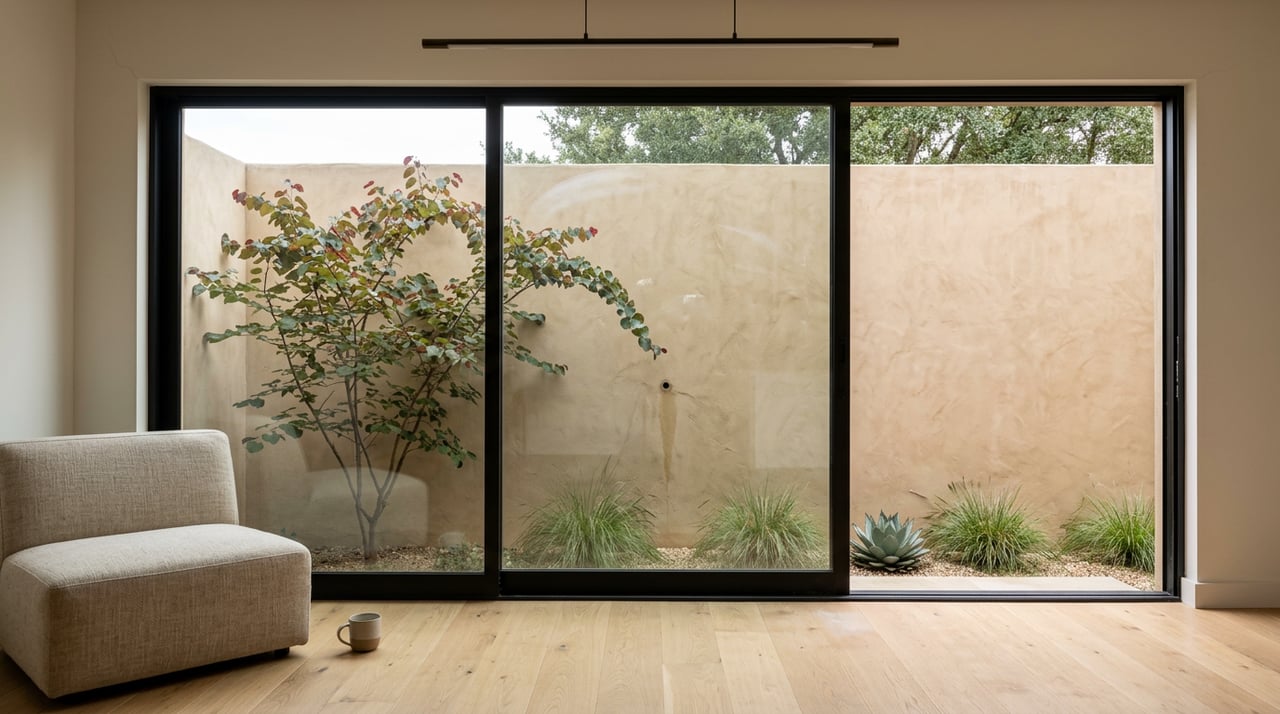
Lake Austin shoreline residences consistently reach elevated price tiers due to their fixed positioning along one of the city’s most restricted water corridors, combined with strong interest from high-income households seeking rare residential environments. Unlike conventional neighborhoods that expand through development cycles, this stretch of waterfront exists within a permanently limited physical boundary, making each home part of a non-expandable housing set.
Within Austin’s upper housing tier, this area behaves more like a location-bound asset class, where long-term desirability is shaped by geography rather than construction trends or seasonal activity.
Why is residential availability along Lake Austin so constrained?
Housing along Lake Austin is limited by natural land formation, protected environmental zones, and strict development controls that prevent additional shoreline expansion. Unlike inland districts that continue to evolve through subdivision and redevelopment, this corridor cannot materially increase its housing supply.
This limited availability also helps clarify broader positioning across the city’s high-end segments, including Which Austin Luxury Markets Fit Homes vs Investments?, where Lake Austin stands out as a strongly lifestyle-driven corridor that behaves differently from investment-oriented luxury submarkets due to its fixed supply and long-term holding nature.
Knight Frank research shows that shoreline-bound residential zones tend to maintain stronger long-term pricing consistency due to geographic limitations.
Because new listings appear infrequently, buyer attention concentrates quickly when opportunities do emerge.
How does restricted availability influence pricing behavior?
When supply cannot expand, pricing becomes shaped by timing pressure, capital inflows into Austin, and the rarity of comparable alternatives. Each new listing effectively becomes a singular opportunity within a narrow and competitive window.
This becomes even more relevant for relocating buyers evaluating premium waterfront options, and is central to what relocation buyers should know about Austin luxury homes, since relocation demand often intensifies competition in already limited luxury waterfront segments.
JLL findings indicate that location-anchored residential markets tend to show stronger resilience because substitution options are limited. As a result, Lake Austin homes often experience faster absorption once pricing and buyer expectations align.
Why do high-income households gravitate toward Lake Austin?
Affluent households are drawn to this corridor due to its combination of seclusion, direct water adjacency, and relatively short commute distance to Austin’s commercial and cultural core. This blend creates a residential setting that offers separation from urban density without sacrificing metropolitan access.
Harvard Business Review research shows that emotional satisfaction paired with limited availability significantly accelerates acquisition decisions in high-value residential categories.
This intersection of practicality and emotional appeal sustains continuous attention toward this corridor.
How does this corridor influence Austin’s upper housing structure?
Homes along Lake Austin often function as reference points for pricing expectations across surrounding high-end districts. Their performance helps establish perceived value thresholds within Austin’s upper residential tier.
Over time, this corridor contributes to stabilizing pricing expectations in nearby upscale areas, as its fixed geographic nature and consistent desirability create a long-standing benchmark effect within the broader housing landscape.
FAQs
Why do Lake Austin homes reach higher price levels?
Because they occupy a fixed shoreline with no potential for expansion.
Do properties in this area maintain long-term value stability?
Yes, due to geographic constraints and sustained interest.
What attracts residents to Lake Austin?
Water access, privacy, and proximity to central Austin.
Is this one of Austin’s most desirable residential corridors?
Yes, it is widely regarded as one of the most sought-after areas in the city.