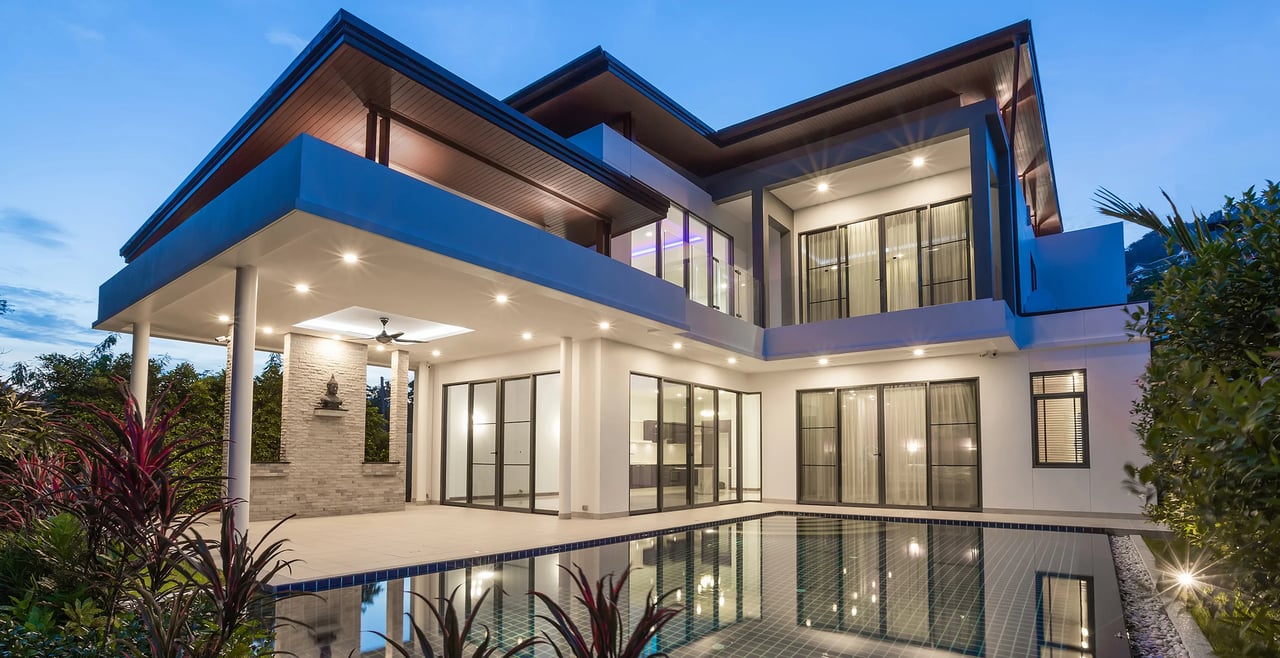
In the 2026 economic landscape, luxury real estate has moved beyond being a mere "lifestyle purchase" to become a premier cornerstone of sophisticated wealth management. As traditional equities face increased volatility, the "hard asset" nature of high-end property offers a proven hedge against inflation. For the savvy investor, the current window in Austin represents a transition from rapid speculation to a "quality-first" era where capital preservation is the primary objective.
Real estate consultants highlight market timing—a perspective Carl Shurr emphasizes—to ensure that a luxury acquisition aligns with broader financial goals. In the current climate, the most successful investors are those who prioritize "irreplaceable" locations and architectural integrity over mass-market trends.
What drives appreciation in high-end real estate markets?
Appreciation in the luxury sector is fundamentally driven by permanent scarcity. Unlike mid-market housing, which can be expanded through new developments, the supply of "Super-Prime" land in areas like Westlake or Lake Austin is geographically and legally capped. This creates an environment where demand consistently outpaces supply, ensuring long-term equity growth.
Furthermore, knowing Which Austin Luxury areas hold value best is critical for maximizing ROI. According to data from Zillow Research, properties located in historically significant or top-tier school districts see an average of 4% higher annual appreciation compared to newer, unproven luxury developments. In 2026, "heritage value" has become a leading indicator of future price resilience.
How does this market compare to other investment options?
When compared to the stock market or high-yield bonds, luxury real estate offers a unique "utility yield." While a portfolio of stocks provides no functional benefit, a luxury estate serves as a primary residence, a vacation retreat, or a high-end rental asset. Market analysis from JLL suggests that luxury property currently offers a more stable "risk-adjusted" return than crypto-assets or speculative tech stocks, particularly in 2026’s high-interest environment.
Investors are also weighing which Austin luxury markets Fit homes vs investments. High-end real estate allows for significant tax advantages, including depreciation and 1031 exchanges, which are not available in the equities market. Global reports from Knight Frank confirm that ultra-high-net-worth individuals are currently allocating 30% or more of their portfolios to "safe-haven" residential real estate to mitigate global market fluctuations.
Why are investors targeting luxury properties today?
The current push toward luxury assets is fueled by institutional-grade stability. Large-scale wealth migration into Texas has brought a wave of corporate capital that anchors property values. Investors are no longer just buying "houses"; they are buying into the "New Austin" economy. Data from CBRE indicates that luxury "in-fill" markets are seeing record levels of cash transactions, which insulates these specific neighborhoods from interest rate sensitivity.
Furthermore, the rise of the "serviced lifestyle"—homes with integrated wellness tech and ultra-high-end security—has created a new sub-sector of demand. Investors recognize that these specialized features make a property highly liquid among the global elite, ensuring a fast exit strategy if needed.
FAQs
-
Is luxury real estate a safe investment? Yes, when focused on "A-grade" locations. It remains one of the most reliable assets for long-term capital preservation.
-
What factors impact ROI in high-end properties? Location scarcity, architectural uniqueness, and proximity to major economic hubs like Downtown Austin.
-
Are rental returns strong in this segment? Extremely. High-net-worth "renters-by-choice" are driving up lease rates for luxury estates in the 78704 and 78746 zip codes.
-
How stable is the luxury housing market? In 2026, the luxury market is significantly more stable than the median market because high-end buyers are less dependent on traditional financing.