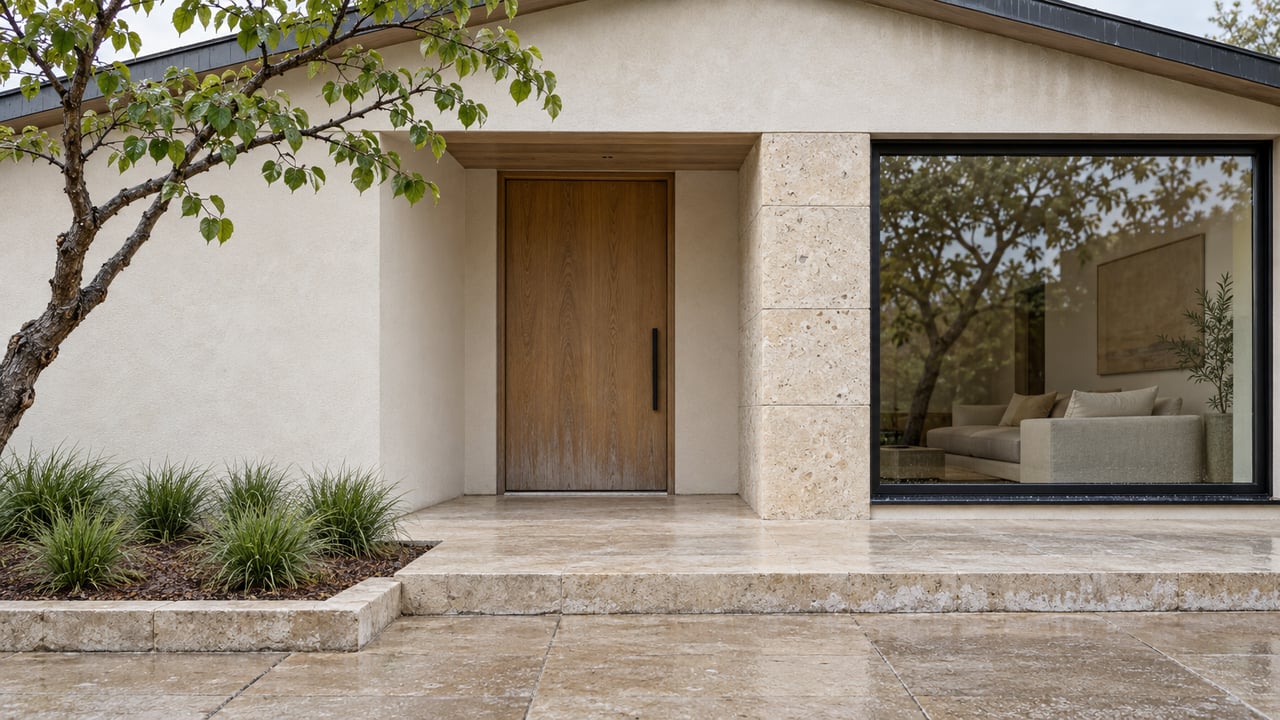
Investors often ask, “Is real estate a good investment today?” In Austin, Texas, with its growing economy, rising population, and vibrant property market, real estate continues to attract both first-time buyers and seasoned investors. The answer depends on factors like location, property type, market trends, and investment horizon. Understanding these elements helps investors maximize returns and manage risk effectively.
What factors affect long-term real estate returns?
Long-term returns depend on property appreciation, rental income, maintenance costs, and financing terms. Market conditions, supply-demand dynamics, and economic cycles also play a significant role. Investors should assess neighborhood growth, infrastructure development, and employment trends to anticipate potential value increases.
According to Forbes, properties in high-demand areas with strong rental markets tend to offer steady appreciation and income potential. Diversifying across property types and locations further reduces risk.
Why is property considered a hedge against inflation?
Real estate is often considered a hedge against inflation because property values and rental income typically rise with the cost of living. Inflation can erode the value of cash and fixed-income assets, but tangible real estate assets often retain or increase their worth over time.
Knight Frank reports that historically, well-located residential and commercial properties maintain value during inflationary periods, providing investors with both wealth preservation and growth potential.
How do luxury properties perform compared to standard homes?
Luxury properties in Austin often appreciate differently than standard homes. While luxury homes can offer higher absolute returns, they may experience slower turnover and greater sensitivity to market fluctuations. Investors should consider market liquidity, holding costs, and buyer demand when evaluating luxury investments.
Monitoring premium listings, like Austin luxury real estate opportunities, helps investors track trends and compare performance across property tiers.
What risks should investors consider before buying?
Risks include market volatility, illiquidity, unexpected maintenance costs, and local economic downturns. Financing challenges, regulatory changes, and tenant issues in rental properties can also affect returns.
Investopedia emphasizes that thorough due diligence, strategic planning, and expert guidance are essential to mitigate these risks. Carl Shurr’s experience in Austin’s luxury and investment markets demonstrates the level of expertise investors should seek. Reviewing a professional profile, such as the Austin real estate advisory background, can provide insight into informed investment strategies.
FAQ's
- Is real estate safer than stocks?
Real estate is generally less volatile but less liquid than stocks. Diversifying across asset types is recommended. - Do luxury homes appreciate faster?
Not always. Luxury homes may have higher absolute returns but can be slower to sell and more sensitive to market cycles. - Does location matter more than property type?
Yes. Location often has the largest impact on appreciation, rental income, and demand. - Is rental property a good passive income strategy?
Yes, if managed well. Rental income can provide steady cash flow, but effective property management is crucial.
Real estate in Austin offers potential for long-term growth, wealth preservation, and income generation. Investors who consider market trends, property types, and professional guidance position themselves to achieve strong, sustainable returns in today’s dynamic environment.