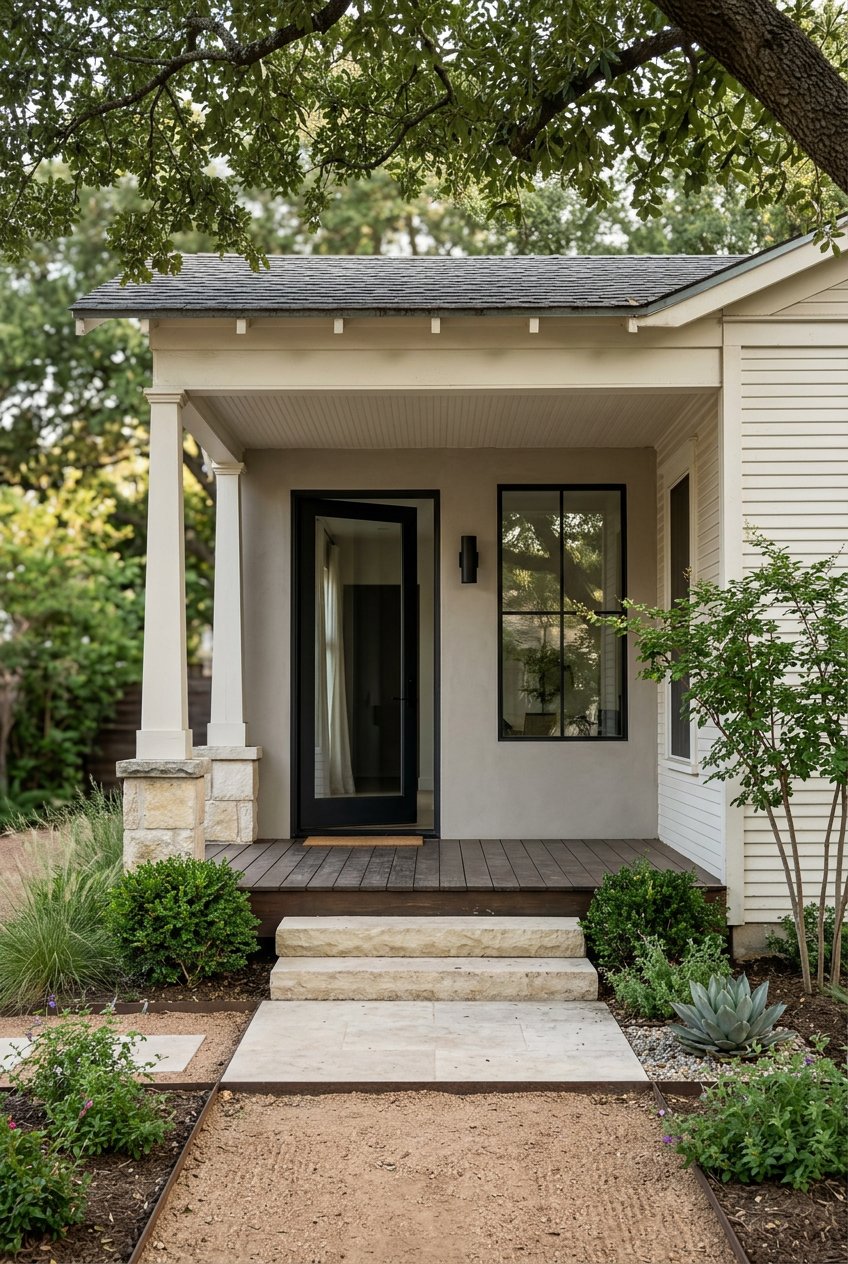
Do you picture yourself on a shady front porch chatting with neighbors, or hosting friends in a sleek, open kitchen that spills onto a private deck? In Travis Heights, you can have either experience. The neighborhood blends “Old Austin” bungalows with contemporary infill, which makes the choice exciting but complex. In this guide, you’ll learn how the two paths compare on lifestyle, energy use, maintenance, permitting, and resale so you can buy with confidence. Let’s dive in.
Travis Heights at a glance
Travis Heights sits just south of Lady Bird Lake and the South Congress corridor, with a historic core generally bounded by Lady Bird Lake to the north, I‑35 to the east, Congress Avenue to the west, and Oltorf to the south. The area’s rolling topography, Blunn Creek greenbelt, and mature live oaks shape lot layouts, privacy, and even setback or flood considerations on some parcels near lower elevations. You will want parcel‑level flood and watershed checks during due diligence. For background, see the National Register nomination for the Travis Heights–Fairview Park district, which outlines history, boundaries, and character in detail. Read the National Register documentation.
The neighborhood has active preservation organizing and pockets of local historic district designation in addition to its National Register listing. Local review can affect exterior work on designated properties. If you are considering renovation or building, confirm the property’s historic status and any local design standards early in the process. Neighborhood resources provide helpful context. Explore Historic Travis Heights.
What you get with a bungalow
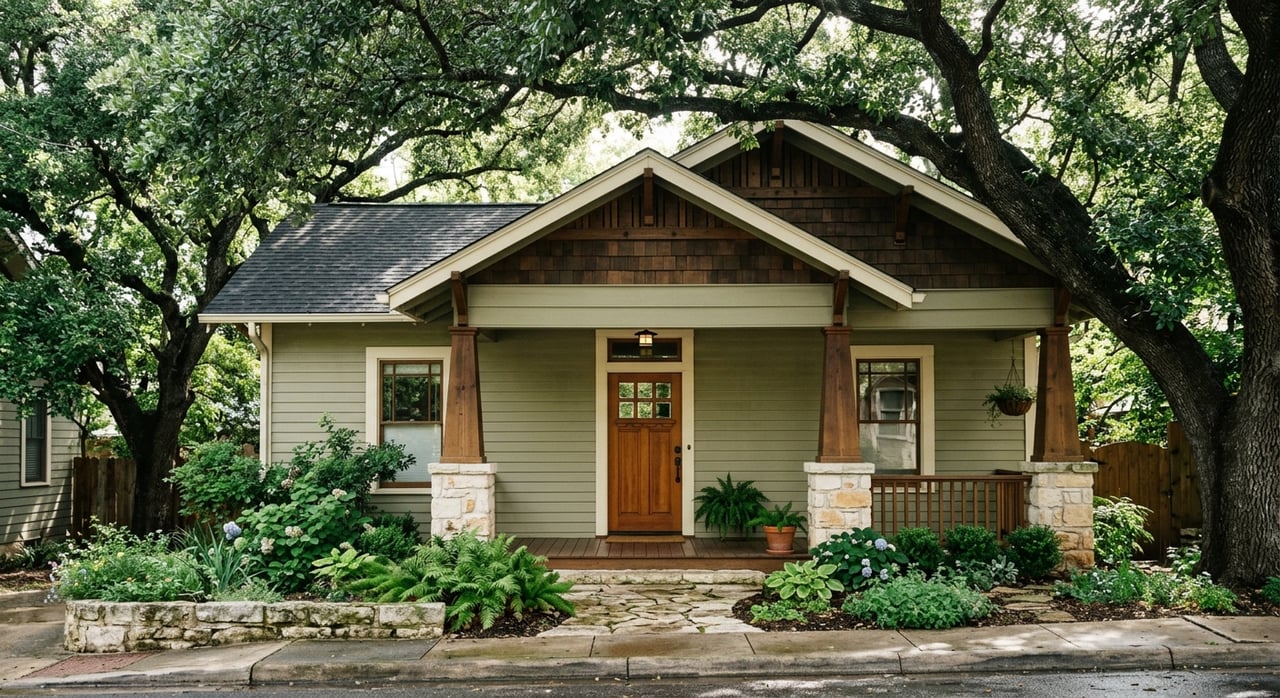
Historic Travis Heights homes often date from the 1920s to the 1940s. Many are one‑story bungalows with low‑pitched gabled roofs, porches, exposed rafter tails, and built‑in cabinetry. Rooms are typically more defined than in modern plans, which creates cozy living and dining areas. These characteristics are documented in the National Register materials. See the architectural overview.
Most original bungalows were modest in size, commonly in the 800 to 1,800 square foot range before later additions. Many sit on established lots with mature canopy and smaller front yards that support a friendly, street‑oriented lifestyle. Porches often function as semi‑outdoor rooms that bring daily life to the block.
System conditions can vary widely. It is common to find single‑pane windows, limited insulation, and older electrical, plumbing, or HVAC unless the home has been upgraded. Pre‑1978 homes may also contain lead‑based paint, which requires specific safety practices if disturbed. Review lead‑safety basics.
What you get with a contemporary home
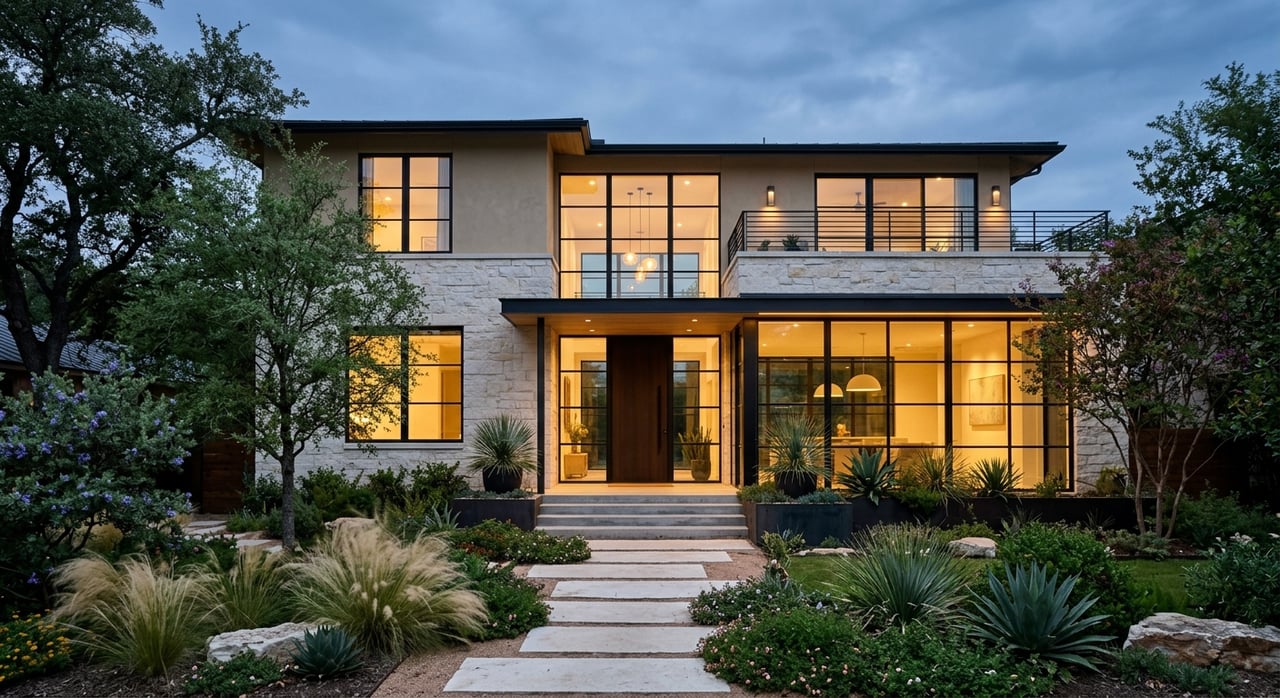
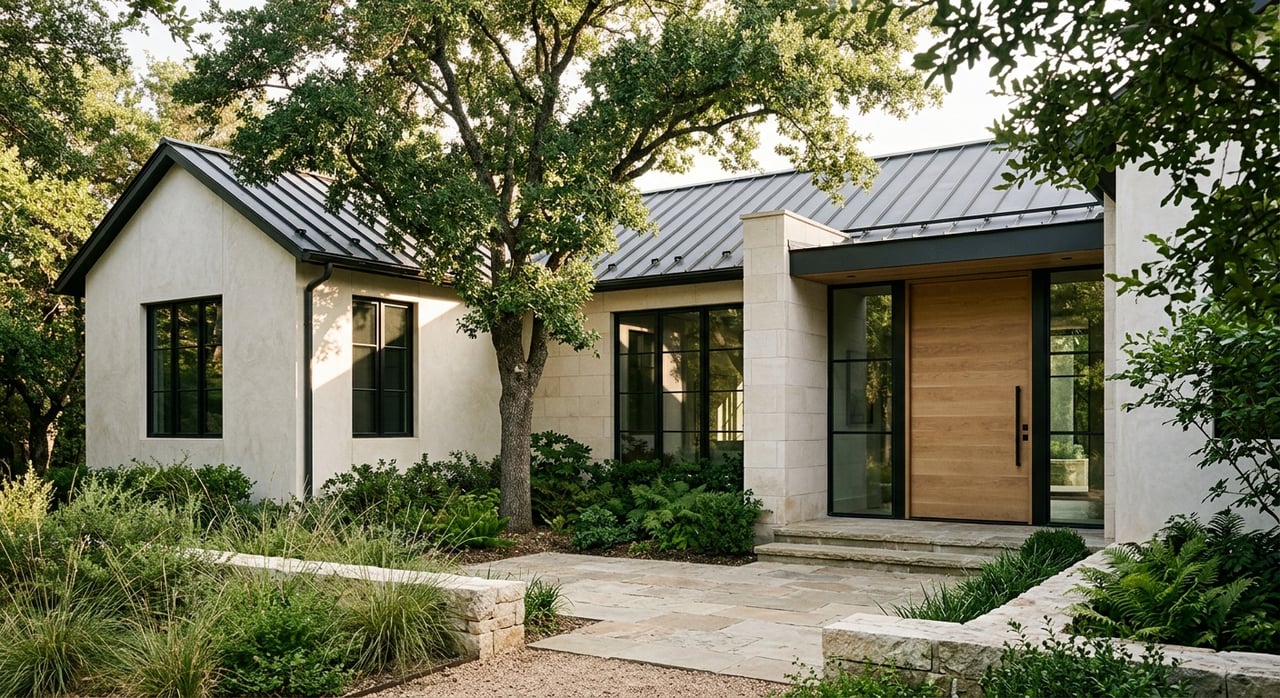
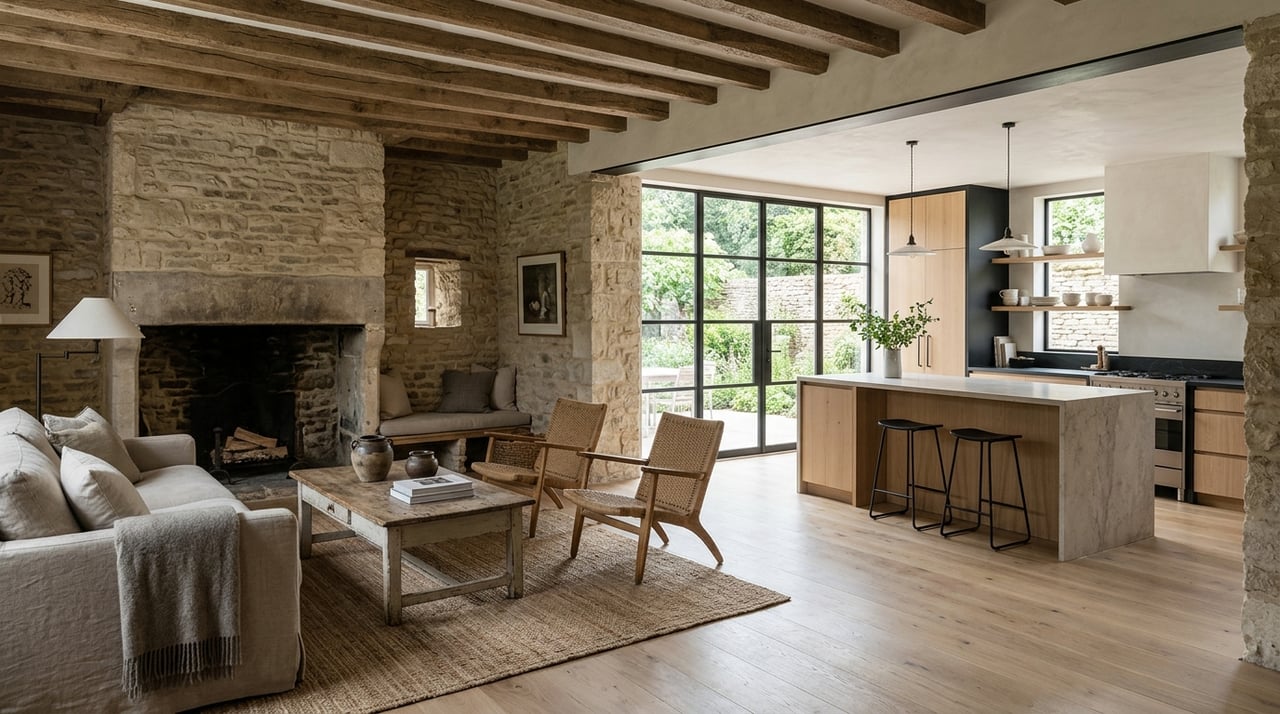
Modern infill in Travis Heights usually emphasizes multi‑story massing, open‑plan great rooms, larger kitchens with premium finishes, en‑suite primary bedrooms, more bathrooms, and strong indoor–outdoor connections such as patios, decks, or rooftop terraces. Higher ceilings, larger windows, and clean, contemporary materials are common. These features align with current buyer demand for flexible layouts, energy performance, and outdoor living. See NAHB’s top design trends.
Contemporary builds are typically constructed to current code with modern HVAC, higher insulation levels, energy‑efficient windows, LED lighting, and smart thermostats. Some include pre‑wiring or readiness for solar or EV charging. That usually lowers short‑term maintenance and energy friction. Austin Energy also offers programs that can make additional upgrades straightforward. Explore Austin Energy’s residential offerings.
Lifestyle trade‑offs that matter
- Social feel: Bungalows with front porches encourage easy neighborly interaction. Many modern builds trade porch life for private decks or terraces and larger interior entertaining zones. The district’s documentation highlights porch patterns and street rhythm as part of neighborhood character.
- Storage and parking: Older cottages may lack garages and abundant built‑in storage. Newer homes often include garages or structured off‑alley parking, plus larger closet systems.
- Trees and yard: Historic properties tend to offer mature canopy and established landscaping. New builds on former teardown lots may require time for re‑planting and growth.
Energy, comfort, and running costs
Vintage bungalows with minimal insulation, single‑pane windows, and older HVAC often have higher seasonal energy bills. Targeted upgrades can make a big difference. Common improvements include attic insulation, duct sealing, high‑efficiency HVAC or heat pumps, heat‑pump water heaters, and better windows. Before budgeting, consider an energy audit to size the opportunity and identify Austin Energy rebates. See Home Energy Savings programs.
Newer homes, by contrast, start closer to today’s efficiency baseline. While they usually need fewer immediate system investments, many still offer upside with solar, battery storage, or EV charging. NAHB’s research on buyer preferences tracks the continued premium for flexible space and efficient systems.
Maintenance and risk checks
Older central‑Austin houses often sit on expansive clay soils with pier‑and‑beam or shallow slab foundations. Foundation repairs can range from small projects to significant work depending on the home and soil movement. It is smart to obtain an engineer‑level evaluation if inspections reveal concerns. Learn more about pier‑and‑beam considerations.
Plan for comprehensive inspections on historic homes. Electrical systems may include older wiring or panels. Galvanized pipes and older sewer lines can require replacement. If you are renovating a pre‑1978 home, lead‑based paint rules apply, and pre‑1980 materials may trigger asbestos testing and abatement protocols. Review lead and renovation guidance.
Site conditions also matter in Travis Heights. Lower parcels near Blunn Creek or Lady Bird Lake can have floodplain or watershed considerations that influence design and permitting. A parcel‑level review with City of Austin watershed staff and FEMA mapping during your option period is prudent. For a sense of how staff analyze watershed constraints, see a recent city staff report example. View a watershed staff report example.
Permits, preservation, and what it means for you
A key distinction: National Register listing recognizes historic significance but does not, by itself, prevent a private owner from altering or demolishing a property. Local historic districts and City of Austin Certificate of Appropriateness processes are what regulate exterior work. Projects in the National Register district are frequently reviewed by the Historic Landmark Commission, and demolition requests for contributing properties often receive public scrutiny. Read the National Register nomination and see HLC records.
If preservation is a priority, confirm whether the specific house or block carries a local designation and review any design standards. Some local programs also offer conditional property‑tax relief for certified rehabilitation work in qualifying local historic districts. Explore historic district incentives.
Market signals and resale considerations
Neighborhood market snapshots have shown a median sale price around the mid‑to‑upper hundreds of thousands in recent reporting periods for the Travis Heights–Fairview Park Historic District, with individual property pricing driven by lot, condition, design quality, and location. Current buyer demand tends to reward flexible floor plans, energy‑efficient systems, and usable outdoor living, which newer builds commonly deliver. Older homes that are sensitively modernized for those needs can perform very well, while unrenovated bungalows with small kitchens or a single bath often trade at a relative discount. See national demand trends.
The neighborhood also sees periodic tension between preservation and redevelopment, which can influence comparables and the long‑term feel of certain blocks. Local reporting highlights specific cases where historic structures faced demolition or landmark review. Read context on recent preservation activity.
A quick decision framework
Start with lifestyle:
- Do you want porch life, street engagement, and mature trees, or do you prefer privacy with modern indoor–outdoor living and larger interior gathering spaces?
- Do you value original character over turnkey convenience, or vice versa?
Weigh time and cost:
- Are you ready to invest time and budget into upgrades, or do you want recent systems and fewer near‑term projects?
- Will you be in the home long enough to spread renovation costs, typically five to ten years or more?
Clarify function:
- Do you need a garage, off‑alley parking, or an ADU right away?
- Do you require a dedicated office, play space, or gym, which modern layouts often incorporate more easily?
Due‑diligence checklist for buyers
Use this during your option period so you can move forward with clarity.
- Structural and foundation: Order a licensed structural engineer’s review for older homes or if inspections show movement. Review pier‑and‑beam context.
- Electrical and plumbing: Request full electrical and plumbing inspections. Ask about older wiring types, panel condition, galvanized supply lines, and sewer‑line health.
- Lead, asbestos, and safety: For pre‑1978 homes or pre‑1980 materials, plan for testing and safe work practices if you will renovate. Lead‑safety primer.
- Energy audit and HVAC: Book an energy assessment to size insulation, duct sealing, HVAC, window, and water‑heating opportunities. Austin Energy programs can reduce costs; use participating contractors to document work for rebates.
- Floodplain and watershed: Check FEMA mapping and consult City of Austin watershed staff, especially near Blunn Creek or Lady Bird Lake. See a watershed review example.
- Historic status and permits: Verify whether the property sits in a local historic district, review Historic Landmark Commission records, check for prior permits, and understand any Certificate of Appropriateness requirements. HLC records and agendas.
Financing options for fixer purchases
If you plan a sizable rehabilitation, consider renovation financing that rolls purchase and improvements into one mortgage. The FHA Section 203(k) program offers standard and limited versions with guidance from HUD‑approved consultants on standard projects. Underwriting and limits differ across loan types, so compare with conventional renovation products. Download HUD’s 203(k) fact sheet.
Which one fits you?
- If you prize historic character, porch life, and mature landscaping and you are comfortable with renovation and maintenance trade‑offs, a restored Travis Heights bungalow can deliver the “Old Austin” feel. Just budget time for inspections and likely system upgrades. Learn about neighborhood character.
- If you prefer turnkey performance, flexible space planning, garages, and plug‑and‑play systems, a contemporary infill will usually deliver those from day one, often at a higher acquisition price or on a more compact lot. See buyer‑preference insights.
Work with a hyperlocal advisor
Choosing between a preserved bungalow and a modern build in Travis Heights is as much an investment decision as it is a lifestyle choice. You deserve guidance that blends neighborhood fluency with a clear, data‑driven plan for inspections, permits, energy strategy, and resale positioning. If you want curated access, off‑market insight, and negotiation grounded in real numbers, connect with Carl Shurr for a private consultation.
FAQs
What defines Travis Heights’ historic core?
- The historic core is generally bounded by Lady Bird Lake to the north, I‑35 to the east, Congress Avenue to the west, and Oltorf to the south, as documented in the National Register nomination. See the nomination.
How do local historic rules affect exterior changes?
- National Register listing alone does not restrict private alterations, but local historic districts require City of Austin Certificates of Appropriateness for exterior work, reviewed by the Historic Landmark Commission. Review HLC records.
Are older bungalows more expensive to run?
- Many have single‑pane windows, limited insulation, and older HVAC, which can raise energy bills. Targeted retrofits and Austin Energy rebates can reduce costs. Explore Home Energy Savings.
What inspections are critical for vintage homes in Travis Heights?
- Prioritize a structural/foundation review, full electrical and plumbing inspections, and lead/asbestos testing if renovating. Add an energy audit and site‑specific flood and watershed checks. Lead‑safety overview.
Can I get tax relief for historic rehabilitation?
- In qualifying local historic districts, certified rehabilitation work may be eligible for conditional property‑tax incentives. Confirm rules and requirements before planning. See neighborhood resources.