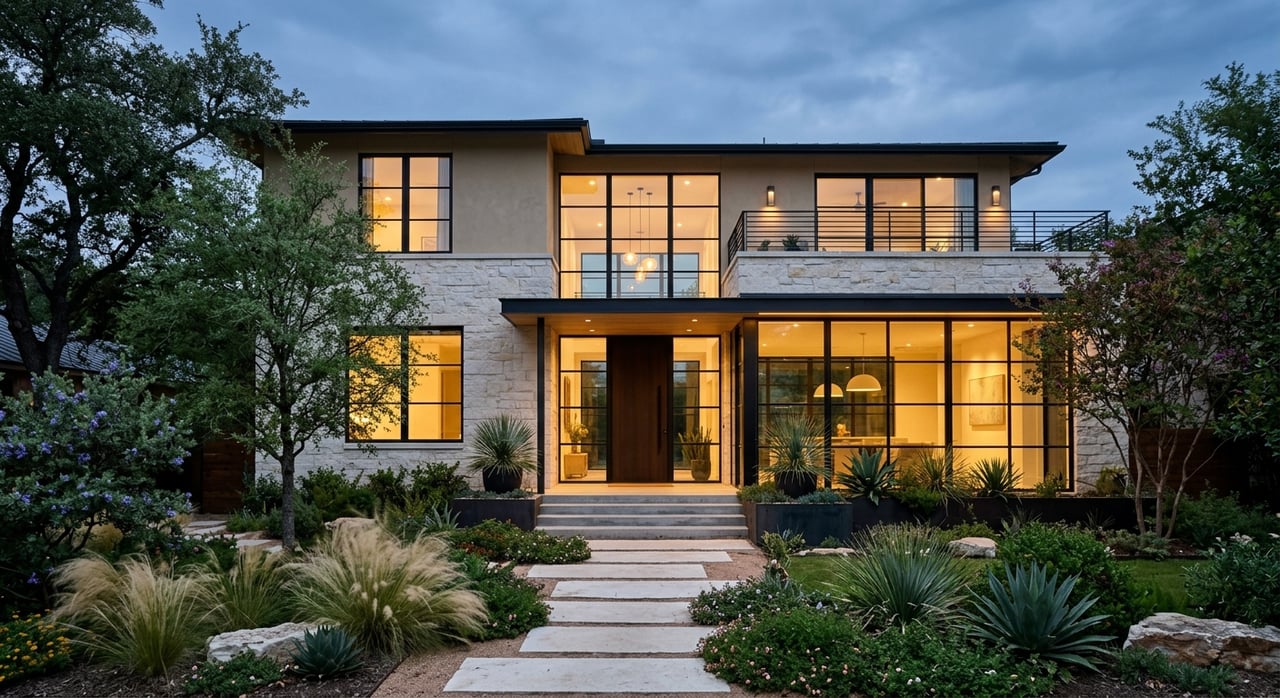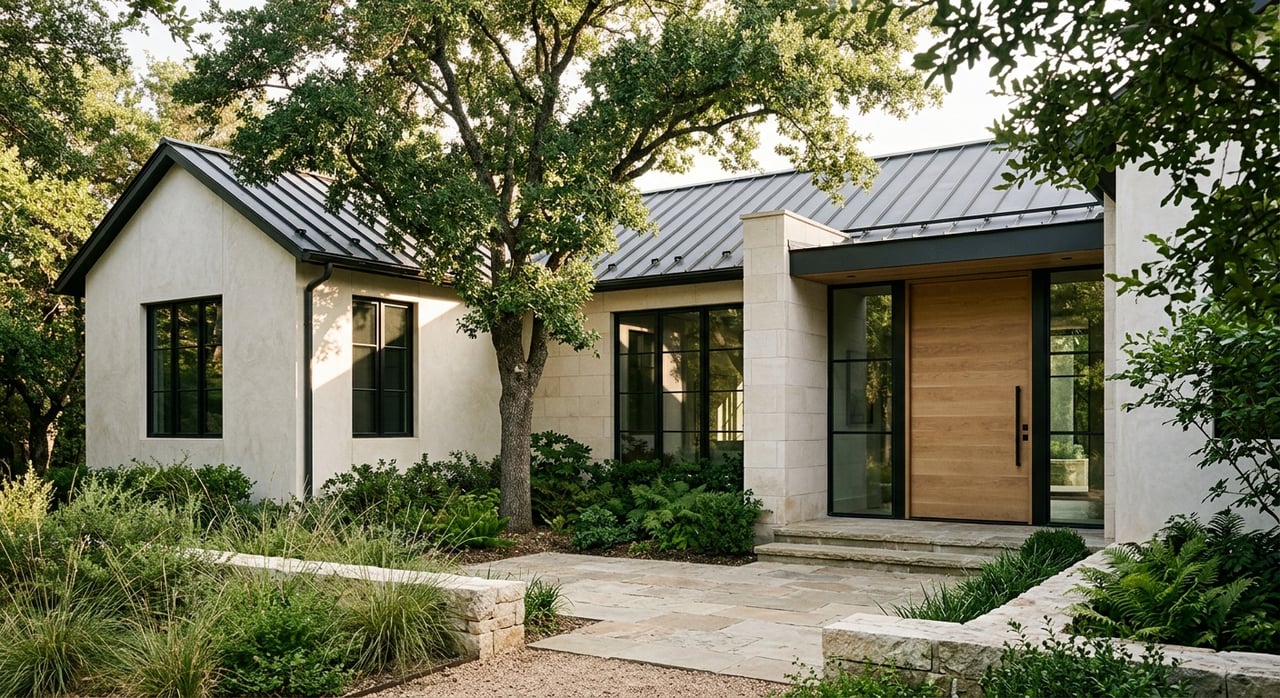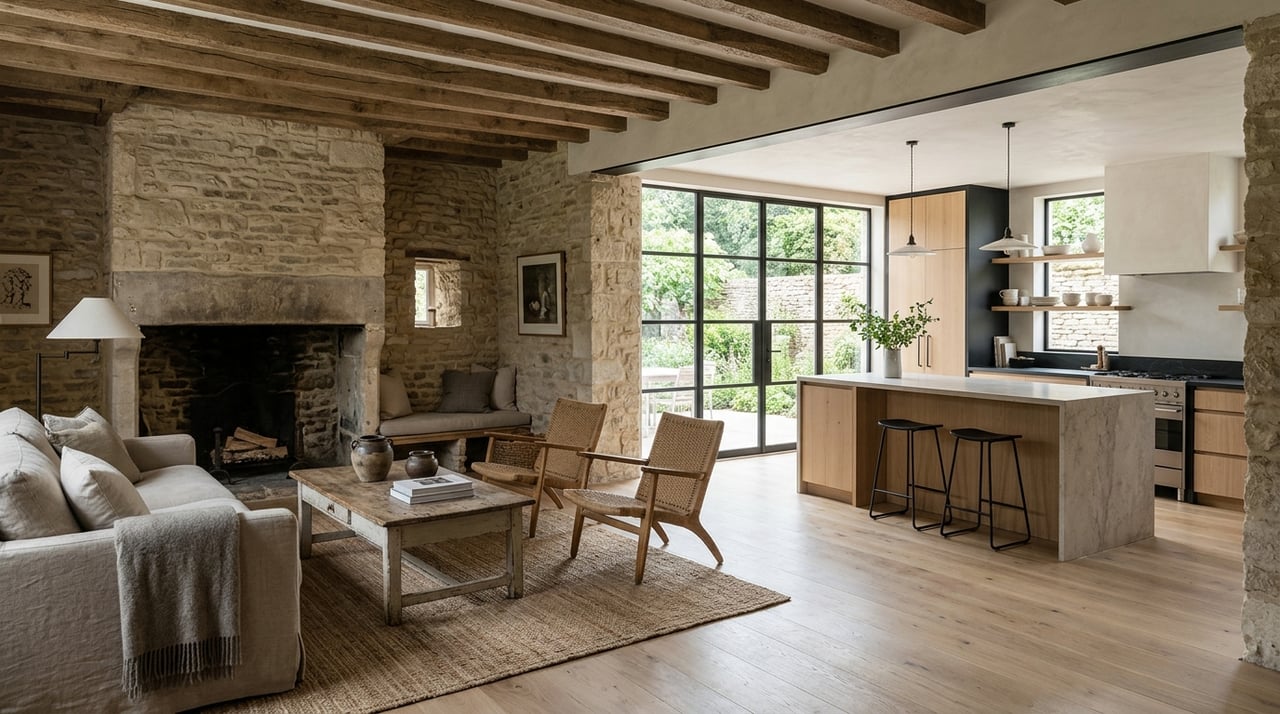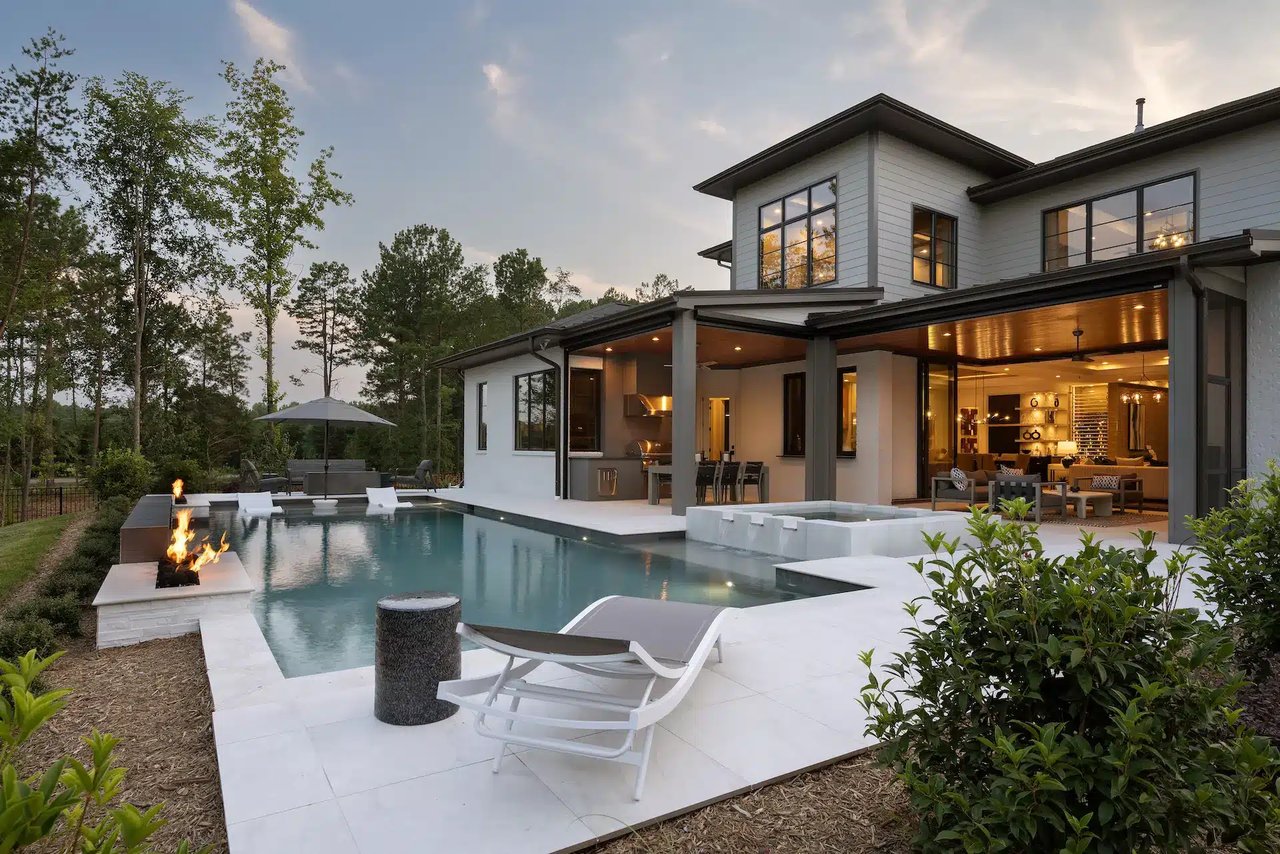
Relocating for luxury living in 2026 centers on "lifestyle alignment." As global wealth becomes increasingly mobile, savvy relocators seek a proven ecosystem that blends high-performance work with high-quality recreation. This has sparked the rise of "turnkey luxury"—properties designed to be move-in ready with integrated technology and concierge-level finishes.
Real estate consultants highlight market timing—a perspective Carl Shurr emphasizes—to ensure a relocation purchase serves as both a primary residence and a stable pillar for capital preservation. For those moving from out-of-state, understanding local "neighborhood energy" is the first step toward a successful transition.
What neighborhoods attract luxury relocators?
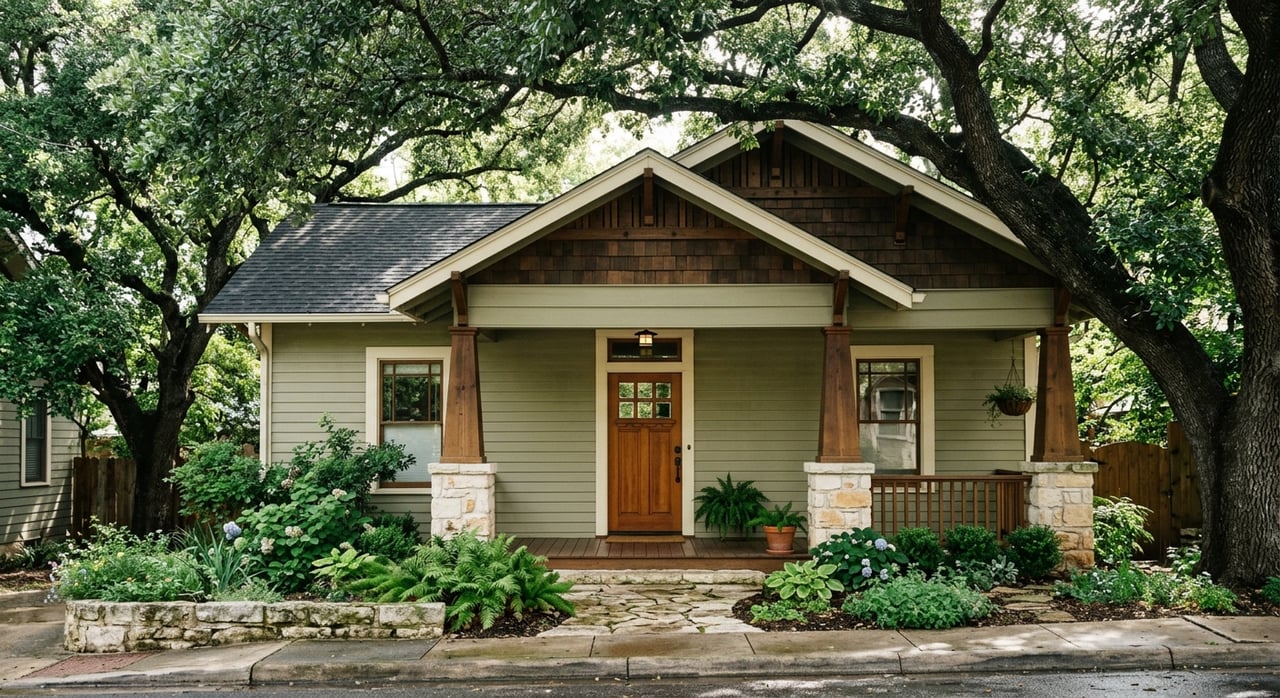
Relocators are primarily drawn to "heritage" neighborhoods that offer immediate social and geographic utility. Westlake Hills remains the premier choice for those prioritizing the Eanes ISD, while Tarrytown attracts those seeking a traditional, "Old Austin" aesthetic with a five-minute downtown commute. In 2026, we are also seeing a massive surge in the 78704 zip code, particularly among the tech-elite who value the walkable, "green-integrated" lifestyle of Zilker and Barton Hills.
To make an informed choice, many ask How Do Relocation Buyers choose Luxury Neighborhoods in Austin? The answer often depends on the buyer's "home base" (e.g., California vs. New York) and their specific needs for privacy versus urban connectivity. Understanding Which Austin Neighborhoods suit out-of-state luxury buyers is essential for avoiding the "newcomer's premium" and securing an asset with high long-term liquidity.
How does relocation demand impact housing prices?
The influx of high-net-worth relocators acts as a powerful "price floor" for the Austin market. Because these buyers often come from significantly more expensive markets like Silicon Valley or Manhattan, their perception of value is skewed higher, which sustains demand for "Super-Prime" listings. According to Zillow Research, neighborhoods with high relocation activity have seen a 7% higher year-over-year price resilience compared to purely local markets.
This demand creates a high-velocity environment where "off-market" access becomes the only way to secure a top-tier property without a bidding war. Reports from JLL suggest that relocation-driven capital is the primary reason why Austin's luxury sector has decoupled from broader national real estate trends in 2026, maintaining a proven upward trajectory even during economic shifts.
Why are high-income buyers moving to Austin?
High-income buyers are moving to Austin for the "Tax-Lifestyle Arbitrage." The combination of no state income tax and a high-energy, business-friendly environment offers a financial "yield" that few other states can match. Beyond the balance sheet, Austin’s "New Economy"—centered on aerospace, AI, and biotechnology—provides a sustainable professional landscape for executive-level relocators.
Data from CBRE indicates that Austin is currently a top-three destination for domestic wealth migration. The city's investment in "wellness infrastructure"—from the expansion of the Lady Bird Lake trails to the growth of private health clubs—has made it a premier choice for the modern, health-conscious luxury buyer. For these individuals, the "move" is an investment in their personal and professional longevity.
FAQs
-
Is Austin a top relocation destination? Yes. In 2026, it remains the leading destination in the "Sunbelt" for tech and venture capital-related relocations.
-
What areas are best for families relocating? Westlake Hills and Tarrytown are the gold standards, followed by the gated enclaves of Seven Oaks and Spanish Oaks.
-
Are luxury homes readily available? Inventory is tight. The most exclusive homes are often sold before they hit public sites, making a local network essential.
-
How competitive is the relocation market? Extremely. Relocators often compete with institutional investors and local "up-sizers," making fast, all-cash offers common in the 78703 and 78746 zip codes.