Wondering when to put your Travis Heights home on the market so it attracts the most qualified buyers? Timing can shape your days on market, leverage during negotiations, and final sale price. You want a plan that fits the neighborhood’s rhythms and today’s market signals, not guesswork. In this guide, you’ll learn the best listing windows, what to watch before you list, and a step-by-step prep timeline tailored to Travis Heights. Let’s dive in.
What drives Travis Heights demand
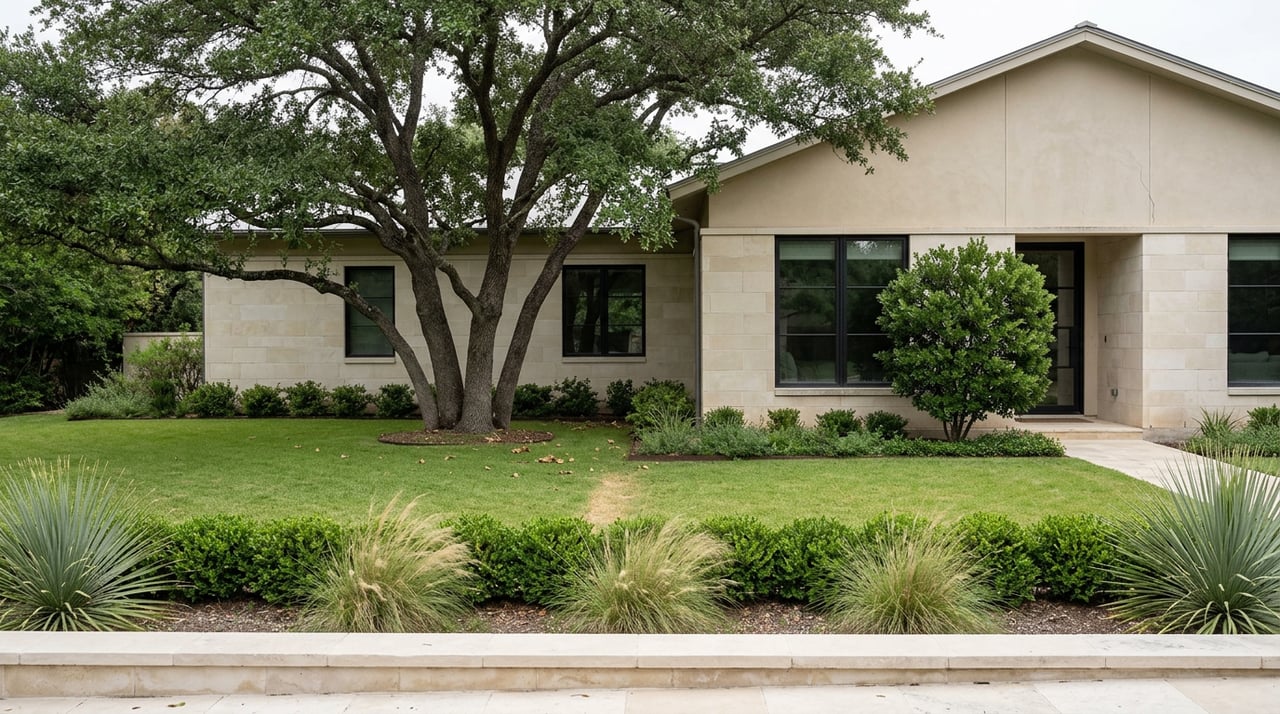
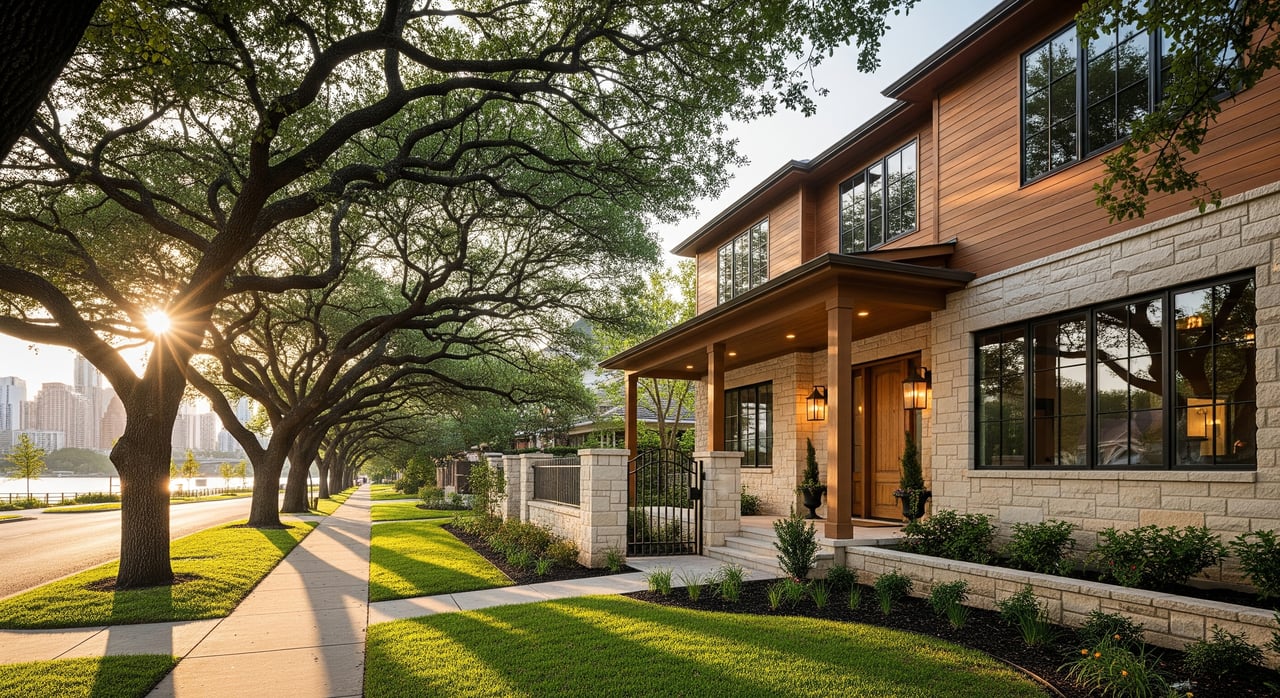
Travis Heights sits just south of downtown Austin with quick access to Lady Bird Lake, South Congress, and Zilker Park. That walkable, lifestyle-rich location is a major draw for many buyers and investors. Homes range from character-filled bungalows and historic properties to newer infill construction. Character homes can command premiums, though they may require more disclosures or careful positioning.
Buyer interest often includes professionals seeking an urban lifestyle, relocating employees, and investors. Local permit, zoning, or historic overlays can affect renovation plans and buyer expectations. If your property has any designations or restrictions, confirm details before you list so you can inform buyers clearly.
Best times to list
Primary window: early March to mid-May
Spring typically brings the largest buyer pool and the most competition. Pleasant weather helps with curb appeal and showings, and many relocations start planning then. If you list during March, note that major events can affect scheduling for a week or two. Your agent can time showings and open houses to keep momentum steady.
Secondary window: early September to mid-October
Early fall often offers a second demand bump. Many buyers want to move before year-end and inventory can be lower than mid-summer. Austin City Limits typically takes place in October, which can impact weekend traffic and travel. Good planning allows you to capitalize on attention without losing showing opportunities.
Use caution: late November–December and high summer
Late November through December is usually quieter as buyers travel and focus on holidays. July and August heat can reduce weekend showings. That said, Austin still sees summer activity from relocations. If you need to sell then, price and presentation become even more important.
Event and calendar effects
- SXSW in March and Austin City Limits in October can temporarily change showing patterns. Some weekends get busier, others slow down. Adjust your open-house dates and marketing cadence accordingly.
- University and corporate hiring cycles can create waves of spring and summer demand. Timing your launch to catch those waves can pay off.
- Mortgage rate moves can increase or shrink the buyer pool at any time of year. A sudden rate drop can energize demand, while rising rates can cool it.
Market signals to watch
Before you choose a listing date, review neighborhood-level indicators rather than citywide averages:
- Inventory and months-of-supply. Lower supply generally means stronger pricing power. Higher supply can mean more competition and a need for sharper pricing.
- Median days on market and price per square foot for the last 30–90 days in Travis Heights. Small, recent shifts matter more than year-over-year headlines.
- Pending sales versus new listings. Rising pendings with steady or falling new listings point to increasing demand. Surging new listings with flat pendings suggest more competition for sellers.
- Mortgage rate trajectory. Track 30-year fixed-rate trends and local lender feedback on buyer qualification.
- Regulatory changes. Short-term rental regulations, zoning updates, or permitting timelines can influence investor demand and renovation expectations.
Pre-listing timeline
A thoughtful runway helps you capture seasonal demand when it peaks:
- 4–8 weeks out
- Declutter, handle minor repairs, refresh paint, and boost curb appeal.
- Line up contractors or permits if needed for work you plan to complete pre-listing.
- 2–4 weeks out
- Deep clean, finalize staging or virtual staging, and schedule professional photos and floor plans.
- Consider a pre-listing inspection to surface issues early and reduce buyer friction.
- 1 week out
- Finalize pricing, marketing materials, and showing schedule.
- Set your offer review plan so you can manage early interest.
Launch, pricing, and showings
- Day of week. Many sellers launch mid-week so the home is fresh for weekend showings. Coordinate with your open-house schedule and local MLS rules.
- Pricing to the season. In a typical spring seller’s market, strategic pricing can draw strong traffic and potential multiple offers. In slower windows, price to current comps so you capture demand quickly.
- Offer timing. In hot conditions, a defined offer review date can concentrate activity. In calmer markets, stay flexible and respond quickly to solid offers.
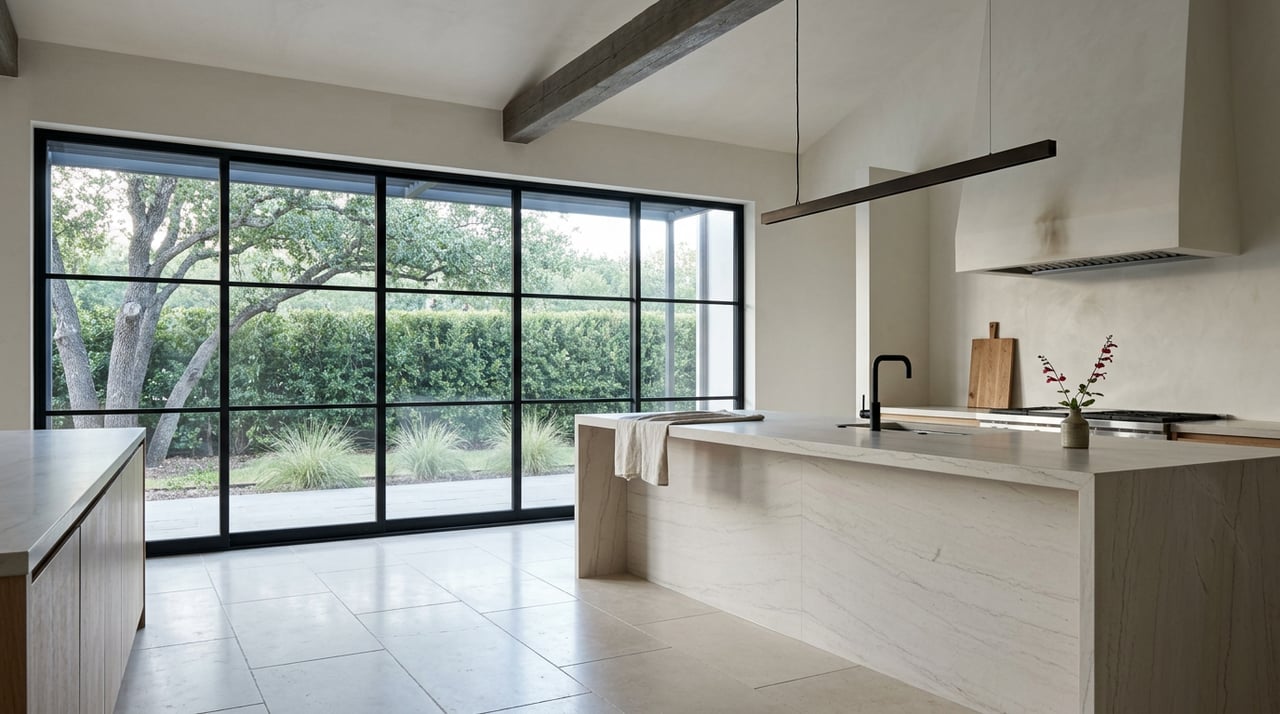
- Staging and marketing. Highlight lifestyle benefits that resonate with Travis Heights buyers, like outdoor living spaces, proximity to trails, and walkable amenities. For older homes, emphasize updated systems and provide clear disclosures to build confidence.
Legal and practical checks
- Short-term rental history. If applicable, confirm current registration and permits. Be transparent about STR use since rules can evolve.
- Historic or preservation overlays. Some properties may have restrictions on exterior changes or demolition. Verify the status for your address.
- Flood risk and insurance. Proximity to Lady Bird Lake can involve specific floodplain considerations. Gather accurate information so buyers can underwrite risk.
- Permits and code. Unpermitted work is common in older areas. Resolve major items upfront when possible or disclose clearly to avoid delays.
Ask your agent
Use these questions to pressure-test timing and strategy before you go live:
- What do the last 30–90 days of Travis Heights comps show for price per square foot and days on market?
- What is the current months-of-supply and active-to-pending ratio in the neighborhood?
- How are mortgage rates trending and what are local lenders seeing in buyer qualification?
- Are upcoming events likely to affect showings during our target window?
- Is the property subject to any overlays, zoning rules, HOA guidelines, or STR restrictions that could affect marketing or buyer expectations?
- What is the recommended prep timeline for repairs, staging, photography, and inspections to align with our target list date?
Ready to time your sale?
The strongest results in Travis Heights come from pairing seasonal advantages with fresh neighborhood data and flawless presentation. If you want a boutique, high-touch plan backed by global distribution, you are in the right place. Affiliated with Kuper Sotheby’s International Realty, Carl aligns hyperlocal strategy with premium marketing to meet discerning buyers where they are.
If you are considering a spring or early fall launch, let’s map your best window, pricing, and prep now so you hit the market with momentum. Book an appointment with Carl Shurr to get a timing strategy tailored to your property and the current Travis Heights market.
FAQs
What is the best month to sell a home in Travis Heights?
- Spring is typically strongest, especially early March through mid-May, with a secondary boost in early September through mid-October.
How do SXSW and ACL affect Travis Heights showings?
- These events can shift weekend traffic and travel, so plan open houses and private showings around them to maintain steady momentum.
Is summer a bad time to list in Travis Heights?
- July and August heat can slow weekend showings, but relocation activity persists, so sharp pricing and standout presentation are key.
How far in advance should I prepare my Travis Heights home?
- Start 4–8 weeks before listing to handle repairs, staging, and marketing assets, then finalize pricing and schedules the week before launch.
Which market indicators should I check before I list?
- Focus on neighborhood inventory and months-of-supply, recent days on market, price per square foot, pendings versus new listings, and mortgage rate trends.
Do historic overlays or STR rules impact timing in Travis Heights?
- Yes, designations and STR regulations can affect buyer pools and disclosures, so verify your property’s status and plan accordingly before listing.