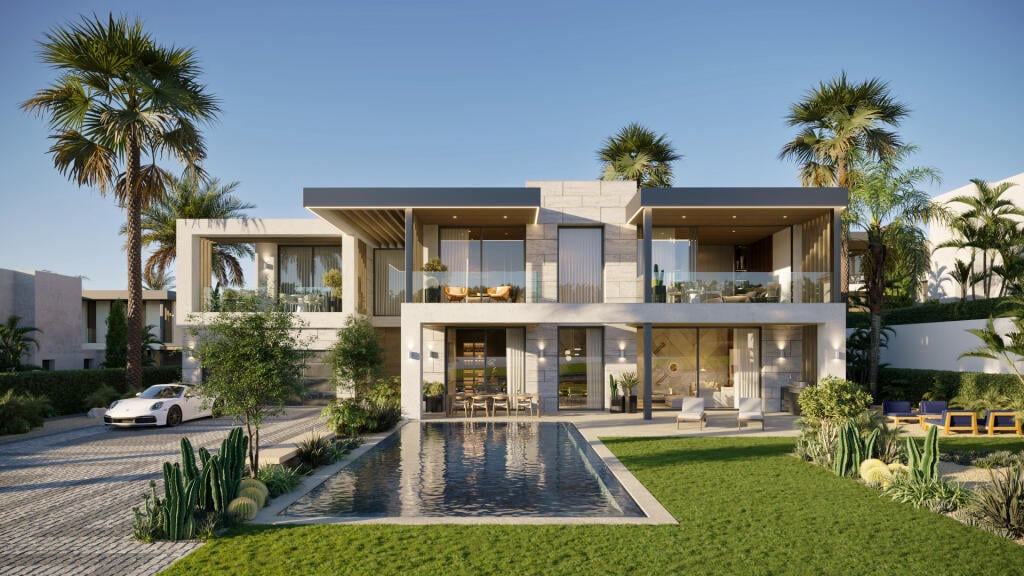
In 2026, East Austin transitioned from an emerging district to a high-velocity premier luxury hub. No longer just a cultural center, the East Side commands the attention of a tech elite who value "refined grit"—a blend of cutting-edge architecture and neighborhood character. For the savvy investor, East Austin represents the city’s most significant equity-play corridor, where luxury is defined by being at the epicenter of Austin’s evolution.
Real estate consultants highlight market timing—a perspective Carl Shurr emphasizes—to ensure acquisitions align with institutional-grade growth. In 2026, the "East Side Shift" is a proven trend redefining luxury boundaries.
What factors are driving growth in East Austin?
Growth is fueled by the "Proximity Premium." With the expansion of the Rainey Street District, high-net-worth individuals seek dwellings offering a three-minute commute without high-rise verticality. According to Redfin News, neighborhoods like Holly and French Place see the highest appreciation in the Texas triangle due to urban accessibility.
Evaluating Where Can Investor find Luxury Homes in Austin? leads directly to the East Side's new-build estates. These attract buyers prioritizing sustainable "green" builds and smart-home integration over maintenance-heavy suburban acreages.
How does East Austin compare to traditional luxury areas?
While Westlake offers established prestige, East Austin offers vibrancy. It is a market defined by walkability and immediate access to the city’s most acclaimed culinary scenes. Market reports from CoreLogic indicate that "lifestyle-centric" markets provide a higher ceiling for ROI as infrastructure matures.
The architectural contrast is a major factor. In the East, you find "architectural statements"—homes utilizing industrial materials, steel, and glass. Understanding What Matters Most when Buying Luxury Homes in South Austin provides a comparison, as the East Side offers a similar "cool factor" with a direct connection to downtown hubs.
Why are investors and buyers focusing on this area?
Investors target East Austin because of aggressive infrastructure revitalization. From light rail expansion to the "capping" of I-35, physical connectivity is reaching a tipping point. Analysis from PwC's Emerging Trends suggests that areas undergoing transit-oriented development (TOD) are the most resilient assets in high-interest environments.
For the buyer, the focus is "Value Arbitrage." In 2026, one can secure a bespoke modern home for a price point that affords only a "fixer-upper" in traditional luxury zip codes. This allows higher capital allocation toward custom finishes, ensuring the property remains an exclusive standout. This price-to-value gap is closing rapidly as institutional capital floods the 78702 zip code. Savvy portfolios are now prioritizing these "in-fill" estates to capture the next wave of urban appreciation. By securing a footprint now, investors are positioning themselves ahead of the inevitable scarcity that defines mature metropolitan cores.
FAQs
-
Is East Austin a luxury hotspot? Absolutely. In 2026, it is considered the "Williamsburg" of Austin, attracting significant international wealth.
-
Are prices rising quickly? Yes; we see steady, high-single-digit appreciation driven by demand for "move-in ready" moderns.
-
What types of homes are available? The market features "Modern-Industrial" estates, luxury ADUs, and restored historic bungalows.
-
Is it a good long-term investment? Yes. As downtown expands eastward, these properties become the most land-constrained, valuable assets in the city.