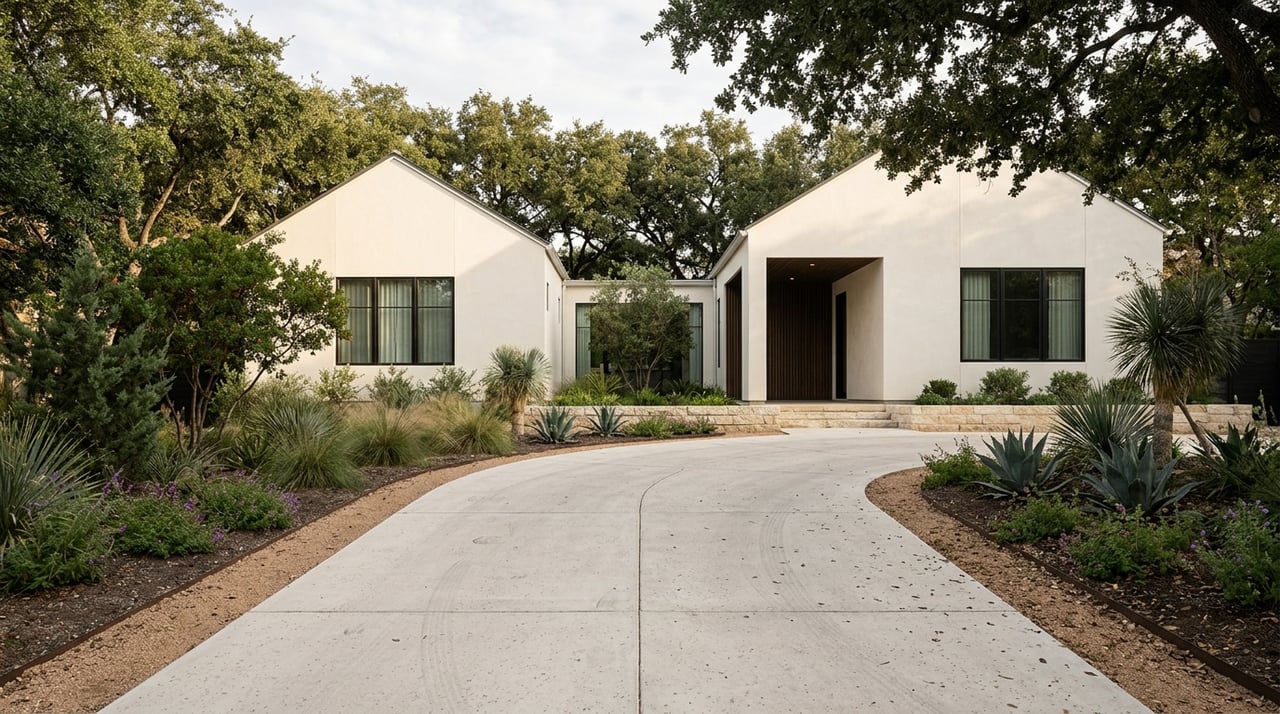
Trying to choose between Barton Creek and West Lake Hills for a luxury home purchase? You are not alone. Both are prestigious West Austin addresses, but they offer very different living experiences, and understanding those differences can save you time, sharpen your search, and help you buy with confidence. If you want to know which area better matches your lifestyle, priorities, and long-term plans, this guide will walk you through it. Let’s dive in.
Barton Creek vs West Lake Hills at a Glance
At a high level, Barton Creek feels more like a resort-oriented luxury community, while West Lake Hills feels more like a closer-in estate enclave.
Barton Creek centers around a 2,500-acre master-planned community with gated subcommunities, golf infrastructure, and a more internally structured feel. West Lake Hills, by contrast, is a small incorporated city known for rugged terrain, low-density residential character, privacy, and hill-country views.
If you are deciding between the two, the real question is not which one is better overall. It is which one better fits the way you want to live.
Barton Creek Feel and Identity
Barton Creek has a distinctly curated feel. According to the Barton Creek North POA, the master association includes eleven gated communities plus the Barton Creek Country Club and Resort, with design oversight intended to preserve continuity, beauty, and property values.
That structure gives Barton Creek a more managed and cohesive environment than many luxury neighborhoods. For buyers, that often translates into a setting that feels private, polished, and buffered from the pace of the city.
The area also tends to attract a somewhat more established ownership profile. Census Reporter shows Barton Creek with about 3,440 residents across 4.9 square miles and a median age of 59.
West Lake Hills Feel and Identity
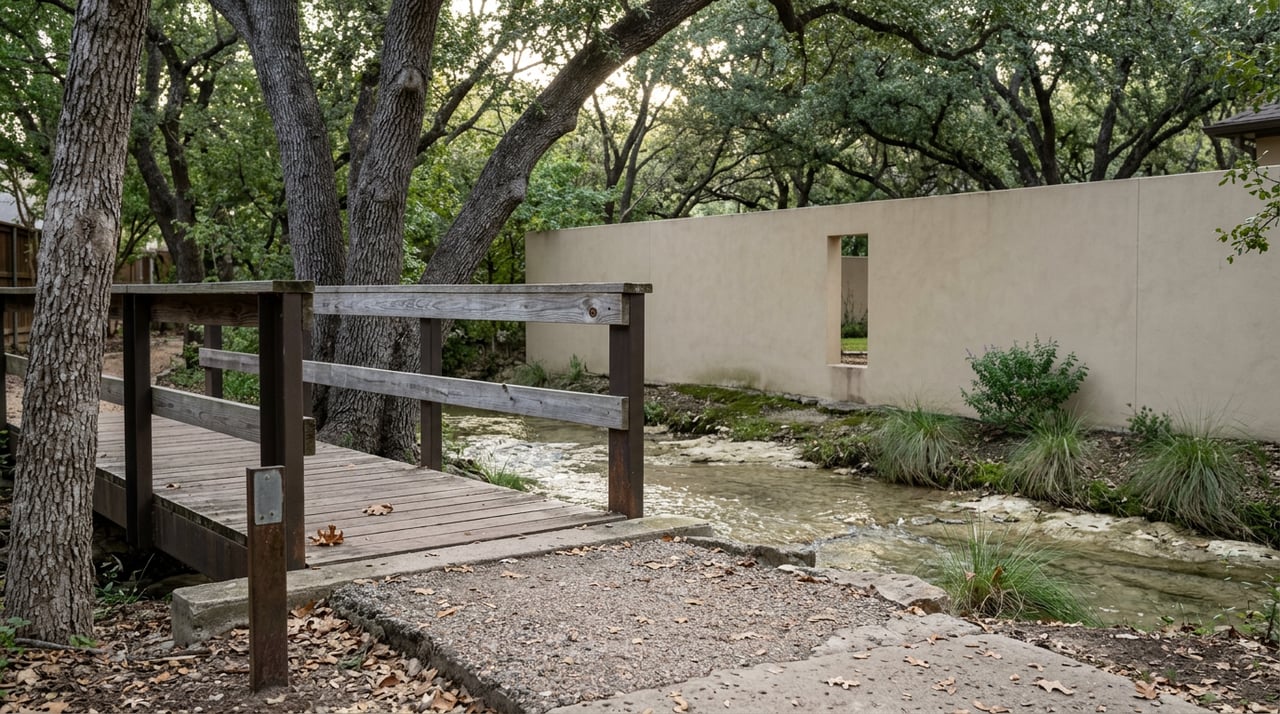
West Lake Hills offers a different kind of prestige. The city describes itself as six miles west of downtown Austin and emphasizes low population density, dense foliage, creeks, privacy, and a preserved hill-country setting.
Instead of feeling like a resort campus, West Lake Hills feels more like a classic West Austin residential address. The identity here is tied to homesites, topography, views, and a sense of separation, even though you remain close to downtown.
West Lake Hills is also compact in scale, with about 3,285 residents across 3.6 square miles, according to Census Reporter. That smaller, close-in footprint helps explain why many buyers see it as one of Austin’s enduring estate markets.
Lifestyle Differences That Matter
Barton Creek Amenities and Recreation
If amenities are high on your list, Barton Creek stands out. Omni Barton Creek Resort & Spa highlights four championship golf courses, a full-service spa, nine dining outlets, pools, and event space across 4,000 wooded acres just outside downtown Austin.
That resort presence shapes the day-to-day appeal of the area. Barton Creek can be especially attractive if you want golf access, a lock-and-leave option, or a luxury setting that blends residential living with hospitality-driven convenience.
Nature access is another major draw. The adjacent Barton Creek Greenbelt adds more than 12 miles of trails, swimming holes, limestone cliffs, and a limited-light natural setting.
West Lake Hills Privacy and Views
West Lake Hills is less about club life and more about estate living. The city brochure points to its pastoral environment, metropolitan access, local shopping and dining, civic facilities, and seasonal community events, all within a setting defined by privacy and natural terrain.
For many luxury buyers, that means the value proposition is simple. You are buying into a residential environment where the home, the lot, and the view often take center stage.
This area may be the better fit if you want a property that feels tucked away but still connected to daily Austin life. The appeal is quieter and more place-driven than service-driven.
Home Styles and Lot Profiles
Barton Creek Housing Options
Barton Creek offers more variety than some buyers expect. While it is known for resort-linked and golf-oriented homes, the market also includes larger estate parcels and homesites with meaningful land.
Current examples in the research include a 3,769-square-foot Fairways home on about half an acre with golf-course views, as well as a 4,587-square-foot home on more than an acre in a gated pocket neighborhood. In other words, Barton Creek is not limited to one housing type.
What ties the area together is the framework around it. Design guidelines in Barton Creek North emphasize blending homes into the landscape, preserving vegetation, minimizing exterior lighting, and maintaining golf-course buffer zones.
West Lake Hills Estate Orientation
West Lake Hills listings tend to lean more heavily into topography, privacy, and views. Current examples in the research include a 1.55-acre Buckeye Trail property marketed for skyline views from every room, along with other active homesites ranging from roughly 0.5 to 3.8 acres.
That pattern reinforces the area’s identity. In West Lake Hills, buyers are often prioritizing elevation, privacy, and the character of the land itself.
If you want a classic hilltop estate experience, West Lake Hills typically presents more of that inventory style. If you want luxury with a stronger resort and community framework, Barton Creek usually fits better.
Market Snapshot for Luxury Buyers
As of March 2026, Realtor.com market data for Barton Creek showed a median listing price of $2.35 million, $621 per square foot, 28 active listings, and a median 49 days on market.
In the same period, West Lake Hills showed a median listing price of $2.60 million, $831 per square foot, 28 active listings, and a median 99 days on market, according to the research report’s cited Realtor.com West Lake Hills market page.
The takeaway is straightforward. West Lake Hills is currently asking more per square foot, while Barton Creek is moving faster in this snapshot. That does not make one market universally stronger than the other, but it does give you a useful benchmark when comparing value, scarcity, and negotiation strategy.
Access and Commute Considerations
For buyers who expect frequent downtown access, West Lake Hills has the edge. The city describes itself as six miles west of downtown Austin, and census data in the research report shows a shorter mean commute time of 16.6 minutes versus 21.7 minutes in Barton Creek.
Barton Creek is still close by luxury-market standards. Omni Barton Creek Resort & Spa describes the area as just outside downtown Austin, with Austin-Bergstrom International Airport about 30 minutes away.
In practical terms, West Lake Hills may feel easier for a buyer who wants a more immediate connection to downtown business, dining, and cultural destinations. Barton Creek may feel better if you prefer a little more separation and a stronger sense of retreat.
Rules, Reviews, and Planning
This point matters more than many buyers realize. Barton Creek North properties may be subject to deed restrictions and architectural review for exterior changes, as outlined in the Barton Creek North FAQ.
West Lake Hills, on the other hand, operates through city zoning and planning review. If you are considering a custom build, a major remodel, or a teardown-and-rebuild strategy, lot-specific due diligence is essential in either area.
For luxury buyers, this is where a data-driven and detail-oriented approach pays off. The home itself is only part of the decision. The governing framework around the property can shape what you are able to build, change, or preserve over time.
Which Area Fits Your Buying Goals?
Choose Barton Creek if you are looking for:
- A resort-style luxury environment
- Golf, spa, and hospitality-driven amenities
- Gated continuity and a more structured neighborhood setting
- Lock-and-leave potential or a second-home feel
- A luxury home search that balances privacy with shared amenities
Choose West Lake Hills if you are looking for:
- A closer-in West Austin location
- Estate-style living with a traditional residential identity
- Hill-country terrain, privacy, and view-oriented homesites
- A luxury purchase centered on land, elevation, and separation
- Faster access to downtown Austin
Both markets are highly desirable, but they solve different buyer problems. Barton Creek is often the stronger fit for buyers who want luxury wrapped in a resort ecosystem. West Lake Hills is often the stronger fit for buyers who want a classic estate address with privacy and proximity.
When you are comparing two luxury markets with different strengths, the best decision usually comes from aligning the property with your lifestyle, not just the price point. If you want a tailored, data-backed perspective on Barton Creek, West Lake Hills, or other high-end Austin options, Carl Shurr offers the kind of curated guidance that helps you move with clarity.
FAQs
Which area feels more like a resort community for luxury buyers?
- Barton Creek feels more like a resort community because of its golf infrastructure, gated subcommunities, and connection to Omni Barton Creek Resort & Spa.
Which area is better for privacy and hilltop estate living in West Austin?
- West Lake Hills is generally the better fit for buyers focused on privacy, topography, and estate-style properties with views.
Which luxury market is closer to downtown Austin, Barton Creek or West Lake Hills?
- West Lake Hills is closer to downtown Austin, with the city describing itself as six miles west of downtown and research showing a shorter average commute time.
Which area has the higher asking price per square foot, Barton Creek or West Lake Hills?
- West Lake Hills currently shows the higher asking price per square foot based on the market snapshot in the research report.
What should luxury buyers check before remodeling in Barton Creek or West Lake Hills?
- You should review lot-specific restrictions, design review requirements, zoning, and planning rules before assuming a property can support your renovation or custom-build plans.