The current landscape for luxury homes for sale in Austin, TX, is defined by a flight to quality and high demand for scarcity. In 2026, the market has moved beyond broad appreciation, settling into a sophisticated environment where architectural pedigrees and "legacy" locations dictate value. For the high-net-worth individual, an Austin luxury acquisition is a strategic placement of capital into one of the most resilient sub-markets in the United States.
Navigating this segment requires an understanding of off-market movements and shifting priorities. Real estate consultants often highlight the importance of market timing—a perspective Carl Shurr emphasizes in his work—to ensure buyers secure a high-performing asset that aligns with their broader financial portfolio.
What types of luxury homes are currently available?
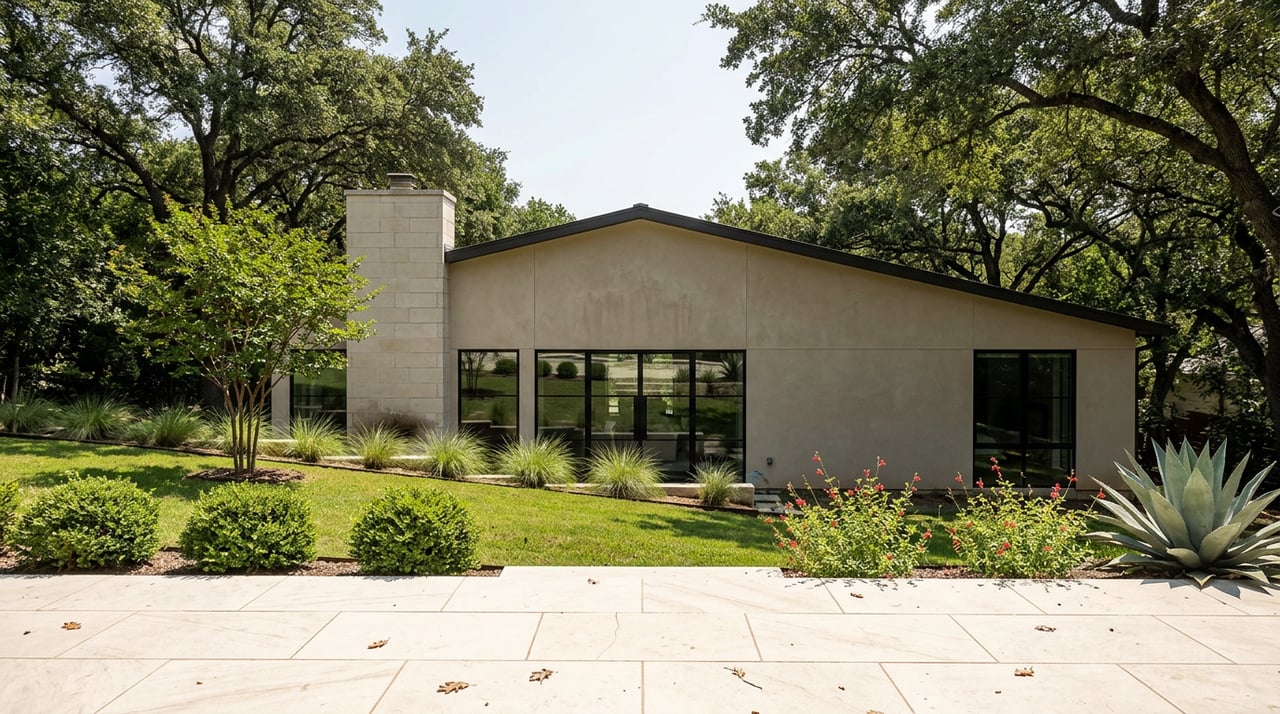
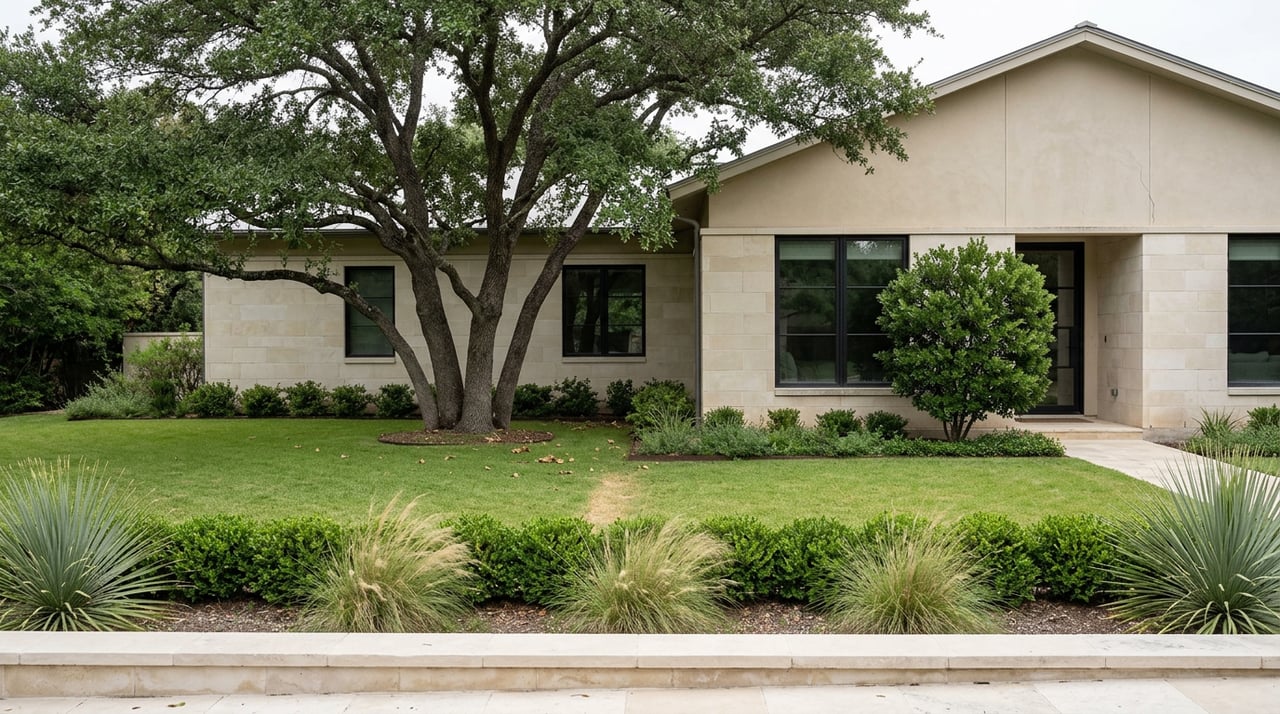
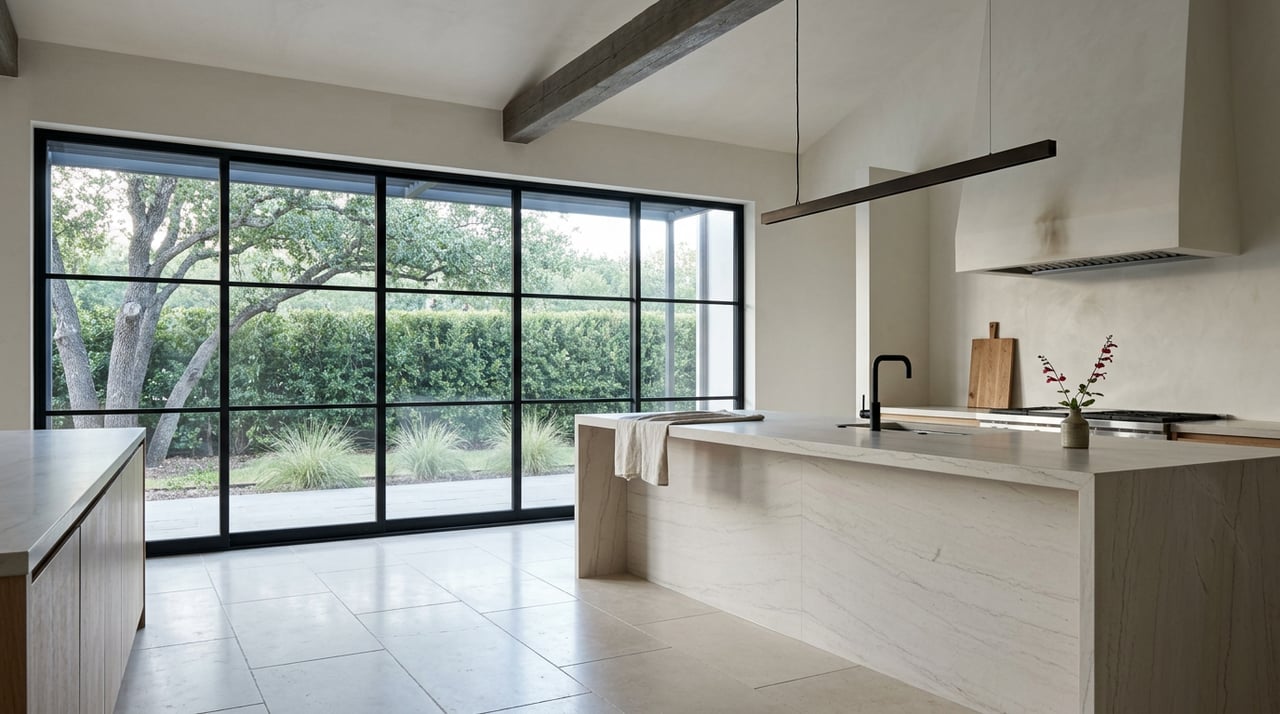
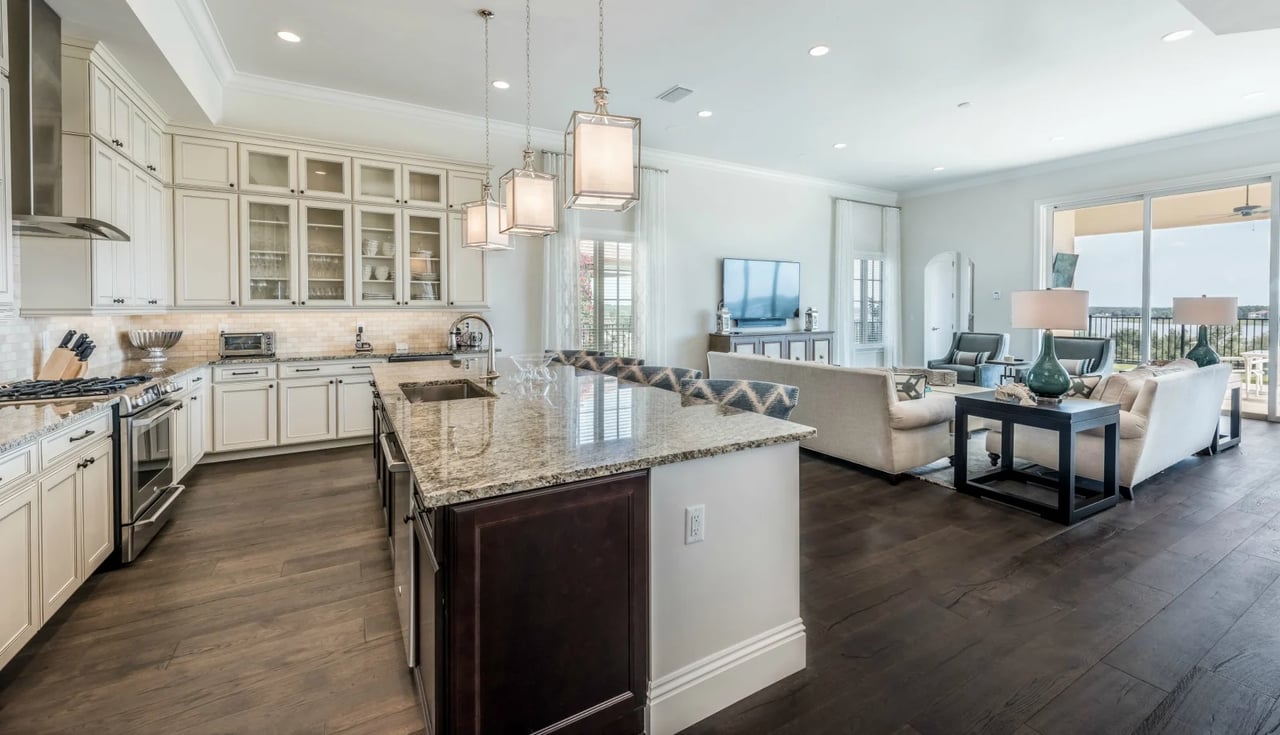
Today’s inventory in Austin ranges from ultra-modern glass estates in Westlake to meticulously preserved historic "heirlooms" in Pemberton heights. We are seeing a rise in "wellness estates," featuring integrated medical-grade air filtration and professional-grade home gyms. Waterfront properties along Lake Austin remain the pinnacle of the market, offering privacy and restricted supply that consistently drives premium pricing.
Furthermore, the "lock-and-leave" luxury condo market in Downtown Austin has matured, appealing to professionals who prioritize concierge services. Many buyers find that which Austin luxury markets Fit homes vs investments is a critical distinction to make. These urban assets provide a different tax and maintenance profile compared to the sprawling suburban estates found in the hills of Westlake or Rollingwood.
How does inventory impact buyer opportunities in this segment?
While the broader residential market has seen an increase in supply, the luxury tier—specifically homes priced above $3 million—remains tightly constrained. This creates a "bottleneck" that keeps prices firm for turnkey properties. According to Zillow Research, the most desirable listings in Austin’s elite zip codes are currently spending 25% less time on the market than they did eighteen months ago.
For the savvy buyer, opportunities are often found in "hidden" listings or exclusive broker networks. Data from JLL indicates that high-end inventory is increasingly held by long-term owners, further squeezing the available pool. Understanding How Does location impact luxury home values in Austin is essential, as certain neighborhoods prove far more resilient to market shifts than others.
Why are high-end buyers active in today’s market?
High-end buyers view Austin as a "safe haven" for capital. With the continued influx of major tech headquarters, the city’s economic floor is exceptionally high. Investors are moving toward tangible assets that offer both lifestyle benefits and long-term appreciation. Analysis from CBRE suggests that the Austin-Round Rock-Georgetown area remains a top destination for domestic wealth migration in 2026.
This activity is fueled by a desire for "future-proofed" living. Buyers seek properties with sustainable energy systems and private water sources. As the "typical" luxury buyer evolves, they are increasingly focused on the intersection of technology and exclusivity, ensuring their home serves as a functional headquarters for their personal and professional lives.
FAQs
Are there many luxury homes available right now? Inventory is currently limited for "move-in ready" homes, though there is a selection of properties requiring minor cosmetic updates.
What is the average price range for luxury properties? The luxury entry point typically starts at $2 million, with "ultra-luxury" estates often exceeding $10 million.
Do luxury homes sell faster than standard homes? In 2026, "turnkey" luxury homes sell faster than the market average because buyers pay a premium to avoid construction delays.
What features are buyers prioritizing today? Privacy, smart-home automation, wellness amenities, and dedicated home offices are the top requirements.